
Understanding the Paradox of Global Warming and Ice Ages
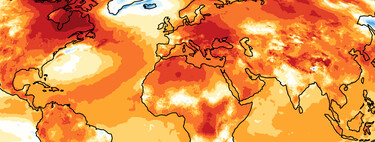
When we envision climate change, the image is often one of relentless heat, melting ice caps, and rising sea levels. However, recent scientific revelations suggest a startling paradox: extreme global warming could potentially trigger a new Ice Age. This hypothesis, supported by research from the University of California, Riverside, and the University of Bremen, highlights the intricate dynamics of the Earth’s climate systems—particularly involving plankton.
The Carbon Cycle Instability
The study identifies a critical instability within the carbon cycle, revealing a “glitch” in our planet’s climate operation. Researchers suggest that oceans that become too warm and depleted of oxygen could instigate significant global cooling. This notion challenges the commonly accepted view of climate change as a steady trend towards higher temperatures.
The Geological Thermostat
To grasp this phenomenon, we must explore how the Earth regulates its long-term temperature. The primary mechanism at play is known as silicate weathering. When carbon dioxide (CO₂) levels soar, increased rainfall dissolves silicate rocks, transferring essential nutrients to the oceans. It is here that plankton utilize this carbon to construct their shells. Upon their death, this process traps CO₂ on the ocean floor, inadvertently initiating a drop in global temperatures as carbon concentrations decrease.
A Shift in Scientific Perspective
For decades, scientists envisioned this carbon cycle as a stable thermostat—warming the planet leads to cooling measures, and vice versa. However, new findings indicate that this thermostat has a catastrophic failure mode. Under specific conditions, the interplay between marine nutrient cycles and biological productivity could become unstable, leading to drastic cooling, reminiscent of historical ice ages.
The Plankton Trap
As heating intensifies, increased erosion could deliver more nutrients to the oceans, benefiting phytoplankton and algae. Yet, this seemingly beneficial cycle may lead to hypoxic (low oxygen) zones where high phosphorus levels thrive. In such oxygen-starved environments, algae consume vast amounts of oxygen, facilitating a rapid absorption of CO₂ from the atmosphere. This dynamic could lead to a thermal collapse and trigger severe glaciation.
The Role of Ocean Currents
Previously, concerns centered around the potential collapse of ocean currents, particularly the Atlantic Meridional Overturning Circulation (AMOC). This current plays a vital role in redistributing warm and cold water across the globe, thus regulating temperature. If disrupted, the implications for global climate stability would be profound, potentially amplifying the risk of an ice age.
Misconceptions about Global Warming
Interestingly, one might assume that continuing to emit greenhouse gases offers a simple solution. However, researchers caution against this misinterpretation, emphasizing that geological processes span hundreds of thousands of years. The potential cooling effects of a failed carbon cycle could occur long after the immediate impacts of global warming manifest.
The Fragile Balance of Earth’s Climate
Ultimately, the carbon cycle is an exceedingly dynamic system; it’s prone to imbalance. The idea that the planet could overreact to extreme heat by plunging into harsh cold underscores a critical truth: Earth’s regulatory mechanisms do not prioritize human survival.
In conclusion, while the threat of global warming looms large, the potential for an ensuing ice age serves as a reminder of the delicate balance within our climate systems. The fragility of this equilibrium is something we must take to heart, as it highlights the need for thoughtful interventions and greater understanding of our planet’s intricate processes.