
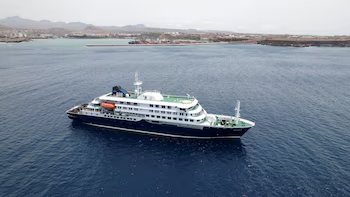
Extended Sanitary Control in Five States Due to Hantavirus Cases Linked to MV Hondius
The health departments in Georgia, Texas, Virginia, Arizona, and California have enacted extended sanitary control measures following confirmed cases of the Andes hantavirus related to the MV Hondius cruise ship. This proactive step comes after the unfortunate occurrence of three deaths associated with the cruise, including a couple from the Netherlands and a German woman. Reports indicate potential person-to-person transmission of the virus, triggering significant health protocols.
Monitoring Initiatives
Health authorities are currently monitoring passengers who disembarked before the initial diagnoses. According to the World Health Organization (WHO) and CBS News, each of the involved states has begun an extensive surveillance program. As a precautionary measure, these health departments have reported that none of the individuals under observation are exhibiting symptoms but are continuing their monitoring efforts daily for a full 42 days—this duration corresponds to the maximum known incubation period for this strain of hantavirus.
Passenger Tracking
The health departments have specified numbers of individuals being monitored from each state. Georgia and Texas each supervise two citizens who traveled on the MV Hondius, while Virginia and Arizona have one individual under surveillance each. California has also joined in the monitoring efforts, although they have not disclosed the exact number of passengers being watched. All individuals under observation disembarked the ship before any symptoms were noted.
Daily Contact and Health Checks
State health officials are maintaining daily contact with those under surveillance to monitor any possible symptoms, providing essential recommendations as necessary. Dr. Joel Terriquez from Northern Arizona Healthcare commented, “the risk to the community is low,” emphasizing that it is uncertain whether the passengers had direct exposure to the virus.
The monitoring procedures include regular temperature checks and assessments for respiratory symptoms. In cases of fever, muscle pain, or difficulty breathing, isolation is advised. This immediate follow-up protocol was activated after notifications from the Centers for Disease Control and Prevention (CDC) on May 5.
Background on the Andes Hantavirus
The Andes virus, mainly found in Argentina and Chile, is identified as the only hantavirus variant with verified capacity for human transmission. Although human-to-human transmission is rare and necessitates prolonged close contact, the WHO has deemed it essential to take preventive measures.
The MV Hondius sailed from Ushuaia, Argentina, on April 1, traversing regions populated by rodents that harbor the virus. Health authorities in multiple countries—including Canada, the United Kingdom, Germany, and Switzerland—are also monitoring travelers who shared journeys or flights with confirmed cases, adhering to WHO guidelines.
Current Status and Public Assurance
As of this report, authorities reiterate that the ongoing monitoring has not revealed any symptoms among the passengers. The surveillance remains in effect until the determined period by the WHO concludes. United States President Donald Trump has stated that the situation is “under control,” with comprehensive reports on the outbreak expected to be prepared.
In conclusion, with the risks associated with the Andes hantavirus, the five states maintain vigilant monitoring of passengers to prevent any potential spread of the virus. The collaborative efforts between state health departments and international health organizations underscore the importance of public health preparedness in the face of emerging health threats.