
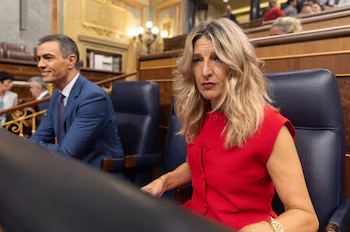
Urgent Negotiations at the Council of Ministers
The extraordinary meeting of the Council of Ministers has become a focal point for heated negotiations, especially concerning the looming crisis driven by the ongoing conflict in Iran. The ministers from the political coalition Sumar have notably been absent as they demand critical inclusions in the upcoming anti-crisis decree, primarily focusing on housing and the regulation of business profits. Their absence underscores a tactic to elevate tension within Moncloa, compelling the government to take their proposals seriously.
The Demands for Housing and Profit Regulation
Yolanda Díaz, the Second Vice President, along with her coalition colleagues, are adamant about incorporating significant measures for housing within the emergency framework. This marks a pivotal moment as Spain grapples with housing affordability and a rising cost of living. Their insistence on these measures reveals the coalition’s commitment to protecting vulnerable populations from economic instability, especially amidst a backdrop of escalating global conflict contributing to inflationary pressures.
Impact of the Sumar Sit-in
The tactical sit-in staged by Sumar has postponed the scheduled press conference at 11:00 a.m., where Pedro Sánchez was expected to detail the Royal Decree-Law. This delay demonstrates not only the ongoing pressure the ministers wish to exert but also reflects the volatile political atmosphere shaping these discussions.
The fact that ministers are willing to risk delaying critical announcements is indicative of their desire to cement these housing provisions in the anti-crisis decree, suggesting that they view them as non-negotiable at this stage.
Statements Highlighting Economic Disparities
Díaz has recently voiced concerns regarding the disparities in economic growth and salary increase, stating, “the productivity we have had since 1983 has grown by 53%, while real salaries have only grown by 22%.” This assertion highlights the pressing need for policies that not only stimulate the economy but ensure that the benefits of such growth are equitably distributed among the populace.
Looking Forward: Future Provisions and Impact
As negotiations continue, the potential inclusion of housing measures marks a significant step in addressing the growing inequalities faced by citizens. With Pedro Sánchez and Yolanda Díaz negotiating against the clock, the outcome of these discussions could redefine the government’s approach in the wake of economic crises.
The ramifications of their agreements will likely reverberate through Spanish society—impacting not only housing policies but also broader economic strategies aimed at mitigating the pressures stemming from global conflicts and domestic financial inequalities.
News is evolving in this dynamic political landscape.