
Frida Alfaro: Pioneering Salvadoran Engineer in NASA’s Artemis II Mission
Introduction to Frida Alfaro
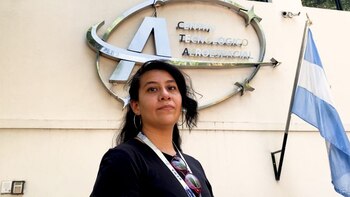
Frida Angélica Alfaro Rodríguez is quickly becoming a notable figure in the international aerospace industry thanks to her significant contributions to NASA’s Artemis II Mission. This mission, which represents humanity’s return to lunar orbits after decades, focuses on innovative technology and global collaboration in space exploration. Alfaro’s role as a systems engineer is instrumental in this historic effort.
Key Contributions to Artemis II
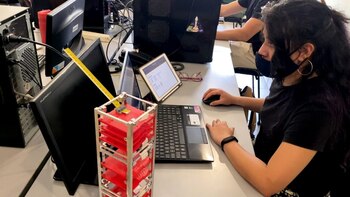
Alfaro’s specific responsibilities in the Airbus II project center around the CubeSat ATHENA—a miniaturized satellite critical for the mission. Her expertise in systems engineering involves planning, designing, and integrating the technical aspects of the satellite. CubeSats like ATHENA allow scientists to test technological innovations on a smaller scale, which is essential for future missions and scientific research.
Importance of CubeSats in Space Exploration
NASA reports emphasize that CubeSats play a vital role in collecting data and testing new systems. They serve as preliminary tools for larger missions, making Alfaro’s contributions crucial for international scientific advancements.
Background and Education
Alfaro hails from Tonacatepeque, San Salvador, and is part of a select group of Latin Americans involved in high-impact projects at NASA. Prior to her role in Artemis II, she contributed to a satellite project at the National University of La Plata in Argentina, designed for environmental monitoring and natural resource management.
Early Inspirations and Academic Journey
Her journey into aerospace began with an interest nurtured during her childhood, where she found inspiration from watching airplanes and exploring constellations with her father. Alfaro studied Aeronautical Maintenance Technician at Don Bosco University before expanding her academic credentials in Aeronautical Engineering at the University of La Plata, thanks to a selection process facilitated by the Embassy of Argentina in El Salvador.
Contributions Beyond Artemis II
Alfaro’s expertise isn’t confined to Artemis II. She has participated in various scientific initiatives, including Open Space and the Moosat challenge, both geared towards enhancing open-source satellite technology capable of lunar missions.
Making a Difference for Women in STEM
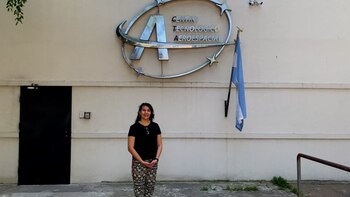
As a prominent figure in the male-dominated aerospace field, Frida Alfaro serves as an inspiring role model for Salvadoran women aspiring to careers in science and technology. Her journey underscores the incredible potential that women can unleash in sectors where they have been historically underrepresented.
Conclusion
Frida Alfaro’s journey reflects a commitment to innovation and exploration in the aerospace sector. Her work on the Artemis II mission not only contributes to important scientific advancements but also inspires future generations of engineers, especially women in STEM fields, to pursue their dreams and break barriers in technology and space exploration.