
The Current Oil Crisis: The Impact of the Strait of Hormuz Blockade
The blockade of the Strait of Hormuz amid the ongoing war in Iran has led to severe ramifications for Iraq, shifting the situation from concern to financial panic. While the West monitors the geopolitical landscapes, Iraq’s oil industry is under immense strain.
The Phenomenon: Iraq’s Oil Dependency
Unlike its oil-rich neighbors, such as Saudi Arabia and the UAE, Iraq lacks alternative routes to bypass the vital Strait of Hormuz. Additionally, it does not possess a sovereign wealth fund to absorb shocks from falling oil revenues. As a result, Iraq’s reliance on oil revenues has become absolute. Cornered, Baghdad is compelled to resurrect outdated infrastructure as a lifeline to survive.
The Storage Crisis: Overflowing Tanks
*A Country Without Space to Store Its Oil*
Production in Iraq’s key oil fields has drastically plummeted by 70%, now down to 1.3 million barrels per day (bpd) due to blockades preventing oil tankers from departing the Gulf, resulting in overflowing storage tanks. This situation has forced Iraq to halt approximately 3 million bpd from giant fields like West Qurna and Majnoon, effectively bringing operations to a standstill.
The Kirkuk-Ceyhan Pipeline: Back to Basics
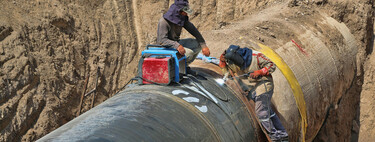
The nation has turned to the Kirkuk-Ceyhan pipeline as an emergency measure—an unusually damaged route that had remained inactive since 2014 due to persistent sabotage. The decision to revitalize this old pipeline illustrates Iraq’s dire need for alternative export routes.
Propaganda vs. Reality: Emphasis on Damage Control
*From Propaganda to Damage Control*
Despite official proclamations touting the reopening of the Sarlo pumping station as a “technical success,” the reality remains bleak. Analysts warn that this effort is merely a short-term fix rather than a permanent solution. Current expectations project an output of merely 200,000 to 250,000 bpd from the pipeline, a stark contrast to the 3.4 million bpd Iraq usually exports. Furthermore, the global market reacted indifferently, reflecting that Iraq’s predicament may not significantly alter worldwide supply dynamics.
The Historical Pact with Kurdistan
*The Historic Pact (and the Call from Washington)*
To facilitate oil flow to Türkiye, Baghdad had to negotiate with the Kurdistan Regional Government, a historically fraught relationship. This unprecedented agreement will allow the blending of federal production with that from Kurdistan while directing revenues to federal coffers in Baghdad.
External Influences: U.S. Intervention
This agreement did not arise in isolation; U.S. intervention played a pivotal role in advancing negotiations. A strategic call from President Trump’s envoy helped ease tensions, but this collaboration leaves Iraq with overarching security and political dilemmas.
The Shadows of the Agreement: Unresolved Threats
Despite the newfound cooperation, numerous challenges loom large. Pro-Iranian militias continue to target energy infrastructures in Kurdistan, posing an existential risk to international oil operators. Additionally, political tensions persist, with Baghdad and Erbil at odds over customs regulations and allegations of economic blockades.
Geopolitical Humiliation: Seeking Permission from Iran
In a humbling twist of fate, Iraq found itself needing Iran’s approval before navigating its oil tankers through the strategically significant Strait of Hormuz. This denotes Iraq’s precarious position in regional diplomacy.
Hostage to Geography: Iraq’s Long-Term Vulnerability
Thanks to urgent diplomacy supported by the U.S., Iraq has temporarily dodged disaster by securing essential funding to meet public payrolls. However, this crisis has uncovered a severe weakness in Iraq’s infrastructure and economic diversification. With no viable alternatives, Iraq remains a ‘hostage’ of Middle Eastern conflicts, relying on outdated pipelines to safeguard its economic future.