
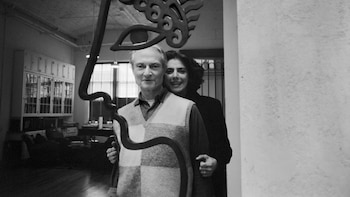
The Legacy of Roy and Dorothy Lichtenstein: A Peek into Their Recent Auction
The recent auction of the personal collection belonging to renowned pop artist Roy Lichtenstein and his wife, Dorothy Lichtenstein, in Southampton has generated significant buzz within the art community. While many of the personal belongings can be viewed as mere artifacts, one thing is clear: the sentimental and monetary value attached to these items is substantial. For instance, the iconic upholstered sofa once sat upon by Lichtenstein fetched an impressive USD 25,600, while a humble pine armchair from the artist’s study sold for a remarkable USD 10,880—over twenty-seven times its initial estimate.
This auction, conducted as a so-called “garage” sale, demonstrates not just the enduring appeal of the Lichtensteins but also sheds light on a greater, often overlooked aspect of the artistic realm: the erosion of cultural heritage and the material ties that live on after an artist’s passing. The responsibility of preserving these items often lies with family members, who are typically unprepared for such a task.

The auction serves as a poignant reminder that the struggle to maintain an artistic legacy is not unique to Lichtenstein. For instance, the children of filmmaker David Lynch recently sold personal objects and memorabilia that garnered unexpected high bids. This highlights an often-ignored facet of cultural preservation: as artists pass away, the secondary value of their belongings becomes a point of contention in the art marketplace.
In a world grappling with a global pricing crisis, Nathaniel Kahn’s 2018 documentary, The Price of Everything, aptly illuminates the ongoing tension between artistic value and market worth. The film features a range of artists, from the extremely successful Jeff Koons, whose balloon-inspired sculptures command phenomenal prices, to more obscure figures such as Larry Poons, who remains committed to his craft, largely distanced from commercial success. This juxtaposition presents a compelling narrative about the duality of the art world: the intrinsic love for creation versus the often overwhelming influence of commercialism.

After an artist’s death, remaining documents, notes, and sketches are often archived or donated to reputable institutions. The Houston Museum, for example, is home to a rich collection of Latin American art, while the ESPIGAS FUNDACION in Argentina documents the history of visual arts in the nation. However, not every item is deemed worthy of preservation; many pieces instead find their way to auction blocks.
The recent sale, which comprised more than 170 pieces from the Lichtensteins’ Southampton residence, amassed a stunning total of USD 1.12 million. This event, carried out under the “White-Glove” method—where every item finds a buyer—shows that the legacy of both Roy and Dorothy continues to resonate. Approximately 60% of the auctioned lots surpassed their initial estimates, indicating a strong demand for personal works and objects linked to their history.
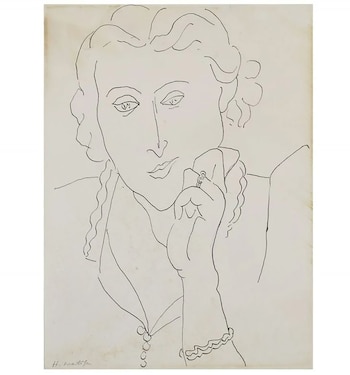
The catalog included works of art by Lichtenstein’s contemporaries, such as Jasper Johns, Ellsworth Kelly, and Robert Rauschenberg, alongside everyday items like furniture. Among the highly sought-after lots was a 1937 drawing by Henri Matisse, titled Femme Accoudée Portrait, which not only doubled its estimate but sold for an impressive USD 89,400. Further elevating the auction were a Flag (Moratorium) painting by Jasper Johns (1969), also fetching USD 51,200, and two sculptures by Yoko Ono that exceeded auction house estimates by considerable margins.
For years, the Lichtenstein residence served not just as a home but as a sanctuary for creativity and artistic exchange. Roy once described his fondness for the place, saying, “We came several summers and an autumn we simply did not leave,” underlining the importance of this location as a hub for artistic collaboration. The property, listed at approximately USD 20 million by Sotheby’s, housed Roy’s studio and an eclectic mix of art and personal belongings.
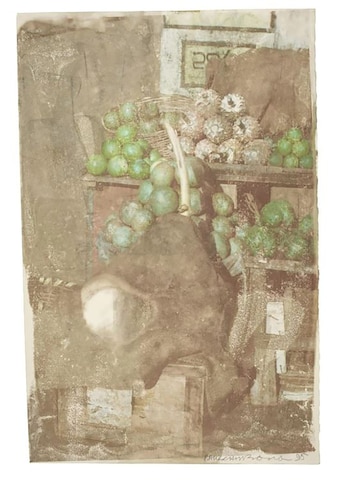
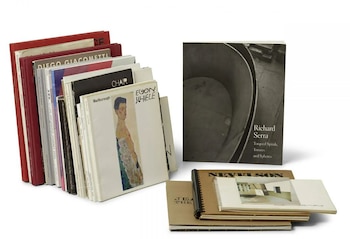
The Bonhams auction, which ran online from July 20 to 30, featured various items, from a Matisse drawing to books on influential figures like Jean-Michel Basquiat, Wayne Thiebaud, and Andy Warhol, starting at a modest USD 300. This collection also included works from close friends of Lichtenstein, with estimated values ranging notably from USD 10,000 to 15,000.
The enduring influence of Dorothy Lichtenstein is evident as she played a vital role in the preservation of her husband’s legacy after his death in 1997. In 1999, she founded the Roy Lichtenstein Foundation, donating over 1,000 works and personal archives to various cultural institutions, placing particular emphasis on the Whitney Museum of American Art in New York.
Alongside the Bonhams auction, Sotheby’s New York also featured over 40 works from the Lichtenstein collection, which successfully garnered an impressive USD 29 million, surpassing its highest estimate of 25 million. Among these, the highlight was the Reflections: Art (1988), which sold for 5.5 million, falling within its anticipated range.
In summary, both auctions not only reflect the substantial financial value of Roy and Dorothy Lichtenstein’s possessions but also emphasize the ongoing societal effort to preserve, understand, and cherish cultural legacies and their inherent meanings.