
## An Overview of Chelsea’s Goalkeeping Dilemma
In recent years, Chelsea has seen a revolving door of goalkeepers, bringing in a wide array of talents including Robert Sánchez, Filip Jørgensen, and Gabriel Slonina. The increasing number of acquisitions points to a systematic attempt to find the right fit for a position that is crucial for the team’s success. However, recent performances, particularly in high-stakes matches such as the Champions League, have placed the spotlight firmly on their goalkeeping choices.
## The Champions League Showdown Against PSG
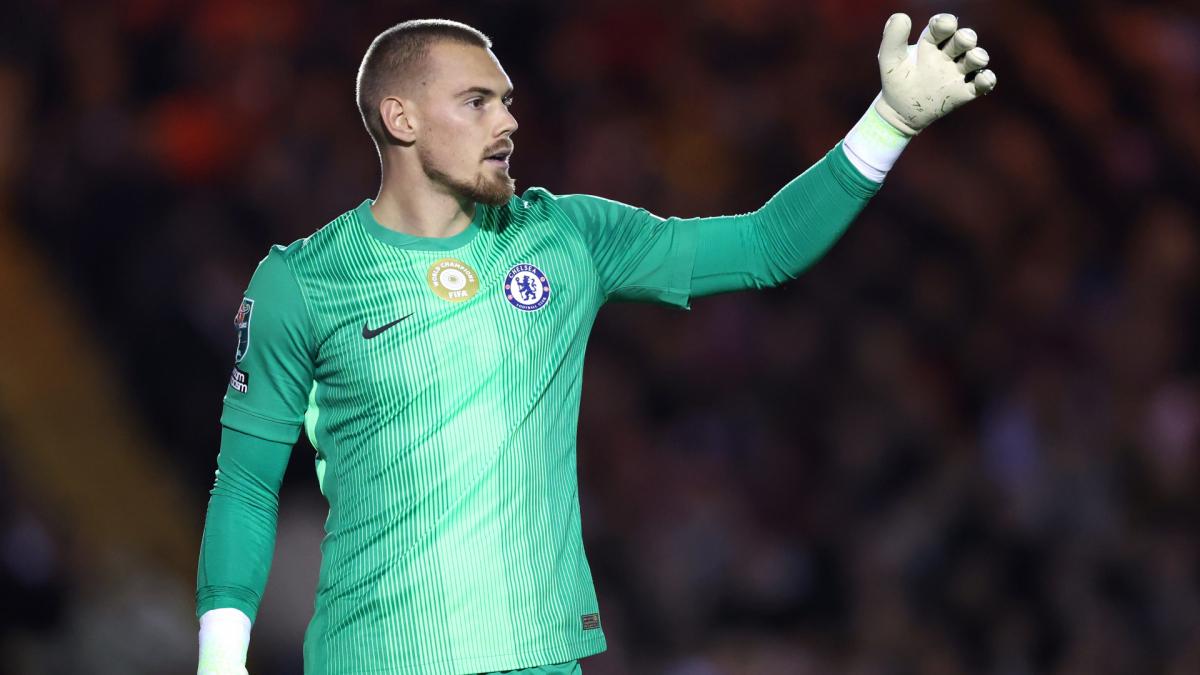
In the round of 16 first leg of the Champions League, Liam Rosenior opted to field Jørgensen against a formidable Paris Saint-Germain. The match had its moments where Jørgensen showcased his abilities, appearing composed and confident with the ball for most of the game. However, a critical mistake at a pivotal moment shifted the trajectory of the match. With the score level at 2-2, Jørgensen lost possession, allowing PSG’s Vitinha to score the decisive third goal.
### The Cost of Mistakes in High-Stakes Matches
Mistakes of this nature have a significant impact, especially in crucial fixtures. Chelsea’s fans and analysts alike are left questioning the effectiveness of Rosenior’s strategy. Was Jørgensen the right choice for such a critical match? This loss highlights the ongoing issues within Chelsea’s goalkeeping department, particularly regarding consistency and reliability under pressure.
## Rosenior’s Response: A Lesson in Leadership
Post-match, Liam Rosenior took a commendable approach during the press conference. He emphasized that the mistake was not solely Jørgensen’s fault, stating, “I need us to stay calm in times when we have problems. That’s my problem, it’s not the team that should be blamed.” By shielding his player from criticism, Rosenior demonstrated leadership and accountability—a reminder that a team’s fortunes are shared, regardless of individual performances.
### The Importance of a Supportive Environment
Rosenior’s refusal to single out Jørgensen for blame is crucial in maintaining team morale. A supportive environment encourages players to learn from their mistakes rather than fear them, which can be particularly beneficial for a young goalkeeper still finding his feet at the top level. The implications of this philosophy could resonate not just within Chelsea, but could also serve as a model for other clubs.
## Looking Ahead: What Does This Mean for Chelsea?
The current situation raises questions about Chelsea’s future goalkeeping strategy. With multiple players vying for the position, it is critical for the management to identify a clear path forward. Whether Jørgensen will remain in the starting lineup or be replaced by another option remains to be seen.
### Conclusion: A Crucible for Growth Amid Challenges
Chelsea’s turbulent period in their goalkeeper department serves as a valuable lesson in resilience and growth. Mistakes will happen, especially in the pressure cooker of high-stakes competitions like the Champions League. However, the way a team reacts—both from management and players—plays a significant role in shaping future success. As Chelsea looks to regroup, the blend of talent and leadership will be key in overcoming these challenges and forging a new path.