
Ricardo Anaya Calls for Cancellation of “Plan B”: A Threat to Democracy
Anaya’s Bold Stance
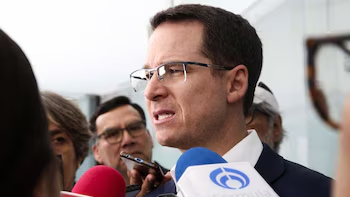
Ricardo Anaya, a PAN senator, has emphatically requested the cancellation of the electoral reform initiative known as “Plan B.” He argues that this proposal not only fails to address the fundamental issues within the political system but could also adversely affect local governments’ organization. In a recent media meeting, Anaya stated, “What is very clear is that the paste has already become balls,” urging lawmakers to withdraw this “barbaric initiative.”
Key Concerns with Plan B
Anaya has raised significant concerns about the viability of the electoral reform, emphasizing its inconsistencies revealed during legislative debates. He believes that the proposed changes could undermine the integrity of electoral processes, particularly concerning illicit financing and political campaign influences.
Impact on Local Governance
One of the most contentious aspects of Plan B is its potential effect on the structure of local town councils. Anaya pointed out that modifying constitutional Article 115 could compel many municipalities to add more councilors. This change would result in increased costs for local administrations, contradicting the claimed objective of reducing public expenses.
He noted that many municipalities currently function with fewer than seven councilors, and imposing a constitutional minimum would force these localities to expand their governing bodies. “They say they are going to save money, but when you review the proposal, it turns out that councilors would have to be increased,” Anaya remarked.
Legislative Reactions and Delays
The initiative emerged following the failure of an earlier electoral reform proposal to secure a qualified majority in Congress. In response, President Claudia Sheinbaum introduced Plan B with various modifications targeting the electoral system and political structure. However, this new proposal has not been free from controversy.
Currently, the United Commissions of the Senate have decided to postpone the discussion on Plan B, citing the need for a comprehensive review of its legislative technique. This includes ensuring that the reform aligns with state legislation and does not contradict local regulations, thereby safeguarding the principle of federalism.
What’s Next for Plan B?
As the legislative process continues, various reports have outlined crucial changes involved in Plan B. Some proposals include:
- Establishing a minimum of seven councilors in town councils, requiring some small municipalities to adjust their administrative structures.
- Increasing the number of councilors in about 800 municipalities, with estimates suggesting around 1,500 new positions nationwide.
- Setting maximum and minimum limits on the number of members in municipal councils.
- Allowing state congresses with budgets below specific thresholds to request increases to comply with new budget rules.
- Providing provisions for mandate revocation consultations in accordance with the current constitutional framework.
The Senate plans to resume discussions once adjustments to the proposal are finalized. Anaya’s call for cancellation stands as a significant critique in the ongoing debate surrounding electoral reform in Mexico. As the situation evolves, both lawmakers and citizens will be closely watching the implications of these proposed changes on democracy in the country.