
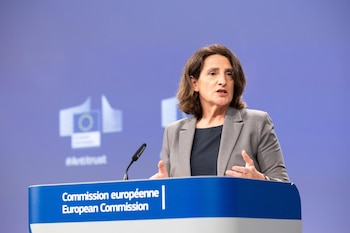
In recent weeks, Southern Europe has been battling a catastrophic wave of wildfires that has devastated vast areas of land, disrupted lives, and raised significant alarms regarding climate change and emergency preparedness . The Vice President of the European Commission , Teresa Ribera, has sounded the alarm for Europe, pointing out the urgent need for improved forest management and territorial policies to combat this burning crisis.
Ribera took to social media on Thursday to express her concerns, calling the fires a “ regional tragedy ” that serves as a stark warning for all of Europe . “The flames have already claimed multiple lives, including those of brave individuals who offered their assistance during these emergencies. Their courage is commendable, but it highlights that our response teams need to be adequately trained, equipped, and active throughout the year,” she stated, emphasizing the critical need for better emergency preparedness.
In her remarks, Ribera stressed the dangers of inadequate preparation , reminding everyone that “the response cannot be improvised.” This calls for a comprehensive strategy involving territorial management , active forest policies , recognition of local communities , and strategies for payment for environmental services . The ultimate goal should be to professionalize the fight against wildfires and allocate sufficient resources to improve coordination and response capabilities.
Ribera’s vision includes reinforcing Fire Brigades year-round, which is essential not only for immediate response but also for proactive measures such as prevention and reforestation . Furthermore, she emphasizes the need for coordinated efforts at multiple levels, urging that solutions to the climatic emergency be implemented without delay.
Through the EU Civil Protection Mechanism , Ribera highlighted the importance of European solidarity. On Wednesday, Spain activated this mechanism, mobilizing additional support, including cistern airplanes and personnel, to combat the fires that are currently ravaging the country’s northwest region.
The vice president also pointed out that climate change is a pivotal factor contributing to the increasing frequency and intensity of these fires. She called for a new doctrine based on scientific data , advocating that all government administrations should act coherently and rigorously in addressing the effects of climate change .
Current estimates from the European Commission indicate that the area affected by wildfires has surged to 439,568 hectares this week, which is alarmingly above the average of 218,416 hectares typically recorded during this time since 2006. This stark increase showcases the urgent need for a collective, proactive approach to prevent a continuing trend of devastation.
Wildfires not only threaten lives and property but also disrupt biodiversity and contribute to air pollution , worsening health conditions in affected areas. It is crucial for governments, communities, and organizations to work together to allocate resources efficiently and effectively to combat this crisis. Technological innovations in fire prevention and control measures should also be considered to enhance current capabilities and lead to more effective responses.
Communities exposed to the risks of wildfires must also be empowered through education and training initiatives. Equipping local residents with the knowledge of fire prevention strategies can significantly reduce the risks associated with wildfires. Engaging communities in forest management practices is indispensable for building resilience against future incidents.
As the European Union grapples with the growing threat of wildfires, it is imperative that immediate and robust measures are taken. The truth is that the climate crisis is upon us, and the time to act is now. We must ensure that our ecosystems, communities, and future generations are safeguarded against the advancing threat of wildfires while simultaneously reversing the impacts of climate change through dedicated efforts.
In closing, the situation in Southern Europe serves as a bold reminder of the challenges presented by climate change and the necessity for immediate action. The call for better preparedness and response mechanisms is not just a response to the current crisis but a fundamental step toward safeguarding our planet’s future. A united front is essential to combat wildfires and protect both human life and environmental health.