
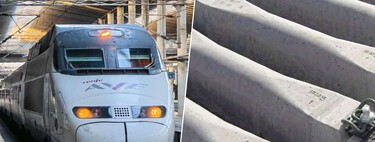
Renfe will be required to compensate users for train delays exceeding 15 minutes, as mandated by the Congress of Deputies under the Sustainable Mobility Law. However, the Government is now seeking ways to override this requirement, citing various reasons for their intervention.
Background on Compensation Requirements
Recently, the Congress of Deputies approved the Sustainable Mobility Law, which aims to enhance support for public transport initiatives. One significant amendment requires Renfe to revert to its previous compensation policy for users affected by train delays.
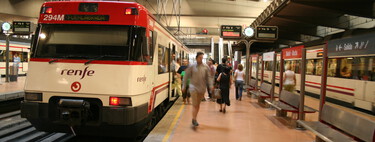
Previously, Renfe had modified its refund criteria in 2024, offering compensations only for major delays—specifically, 50% refunds for delays of over 60 minutes and full refunds for those over 90 minutes. This essentially meant that if a train was delayed between 15 and 59 minutes, users received no compensation at all.
The Current Situation
Under the newly reinstated requirements, users will begin to receive compensation after just 15 minutes of delay. This amendment aims to level the playing field, especially as competitors like Ouigo and Iryo offer more comprehensive refund schemes.
Renfe’s Competitive Landscape
- Ouigo offers a 50% refund for delays of more than 30 minutes and 100% for delays over 90 minutes, with variations in voucher types.
- Iryo provides similar conditions, prompting concern that Renfe may be at a competitive disadvantage.

Government’s Response
The Ministry of Transportation is reportedly working on legal strategies to prevent these new compensation rules from taking effect. Transportation Minister Óscar Puente has indicated that they are exploring options to maintain the existing policy without reverting to more stringent conditions.
If the amendment becomes law on January 1, 2026, consumers and passenger associations could start demanding their refunds, leading to significant financial implications for Renfe.
Financial Implications for Renfe
Experts predict that if the amendment goes through, Renfe may require a considerable financial reserve for potential refunds. Data indicates that four out of every ten AVE trains were delayed this past summer, and millions of travelers were denied refunds due to previous policy changes.
Estimates suggest that if current trends continue, Renfe could owe up to 79 million euros in refunds, which could severely impact its operations.
Conclusion
As the situation unfolds, it’s clear that the balance of customer satisfaction and corporate viability hangs in the balance. With the Government’s attempt to halt the new compensation rules and Renfe’s financial concerns, the outcome will be crucial for both passengers and the company’s future in Spain’s competitive rail market.