
The Madrid-Barcelona Line: Rising Travel Times and No Compensation
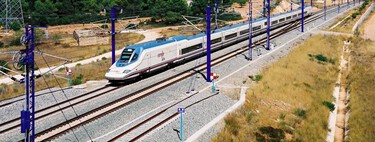
What used to be a two-and-a-half-hour journey has now turned into a frustrating experience for passengers on the Madrid-Barcelona route. Trips often stretch beyond four hours due to increasing speed limitations as Adif (the administrator of Spain’s railway infrastructure) scrambles to address alleged track defects. Unfortunately, travelers who purchased tickets based on a promised 150-minute journey will receive no compensation for delays experienced.
Background on Delays
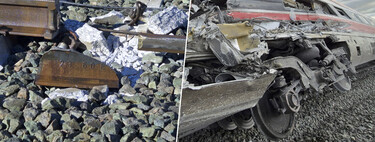
Since the tragic train accident in Adamuz, Córdoba, the focus has shifted to the Madrid-Barcelona line. Months of complaints from train drivers regarding self-imposed speed limitations prompted Adif to investigate potential defects in the railway tracks. Temporary speed restrictions have become commonplace, particularly in the most problematic sections. These fluctuating limitations only add to the ongoing controversy and passenger frustration.
Recent Complications
The situation worsened recently when adverse weather, including a storm, compounded the issues with the ongoing track inspections. Initially expected to take 150 minutes, trains are now frequently arriving after four and a half hours. Adif has urged Renfe, Ouigo, and Iryo to remove the last scheduled trains each day to facilitate better track monitoring and repair.
No Compensation Policy
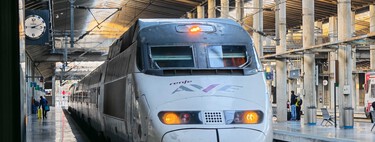
Despite the growing delays, neither Renfe nor Iryo is offering any form of financial compensation. Their responses, clearly stated on their websites, emphasize that the delays originate from Adif’s operational issues and do not constitute a failure in service that entitles passengers to reimbursements.
For Iryo, this no-compensation policy applies to ticket purchases made after January 28, while Renfe’s policy affects tickets bought after January 31.
Alternative Measures for Affected Travelers
While compensation may not be on the table, passengers have the option to be rebooked on alternative trains if their scheduled services are canceled. Renfe has committed to offering enhanced seating arrangements to accommodate displaced travelers, along with a no-cost cancellation option.
Continuing Controversy
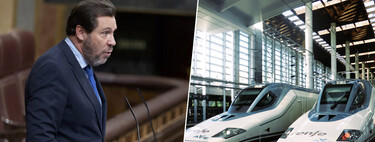
The ongoing controversies surrounding these delays and lack of compensation highlight deeper issues within Spain’s railway system. The mandatory compensation rules enforced by Congress state that refunds should be given for delays exceeding 15 minutes. Although these deadlines were recently modified to 60 and 90 minutes, they are still not reinstated to their original conditions, leading to a growing cloud of dissatisfaction.
Conclusion
The Madrid-Barcelona train line’s current state reflects significant operational challenges, sparking debates about accountability and customer rights within Spain’s railway sector. As travellers find themselves facing longer journeys without the expected compensation, the eyes of both the public and government will remain fixed on how this situation unfolds in the months ahead.
