
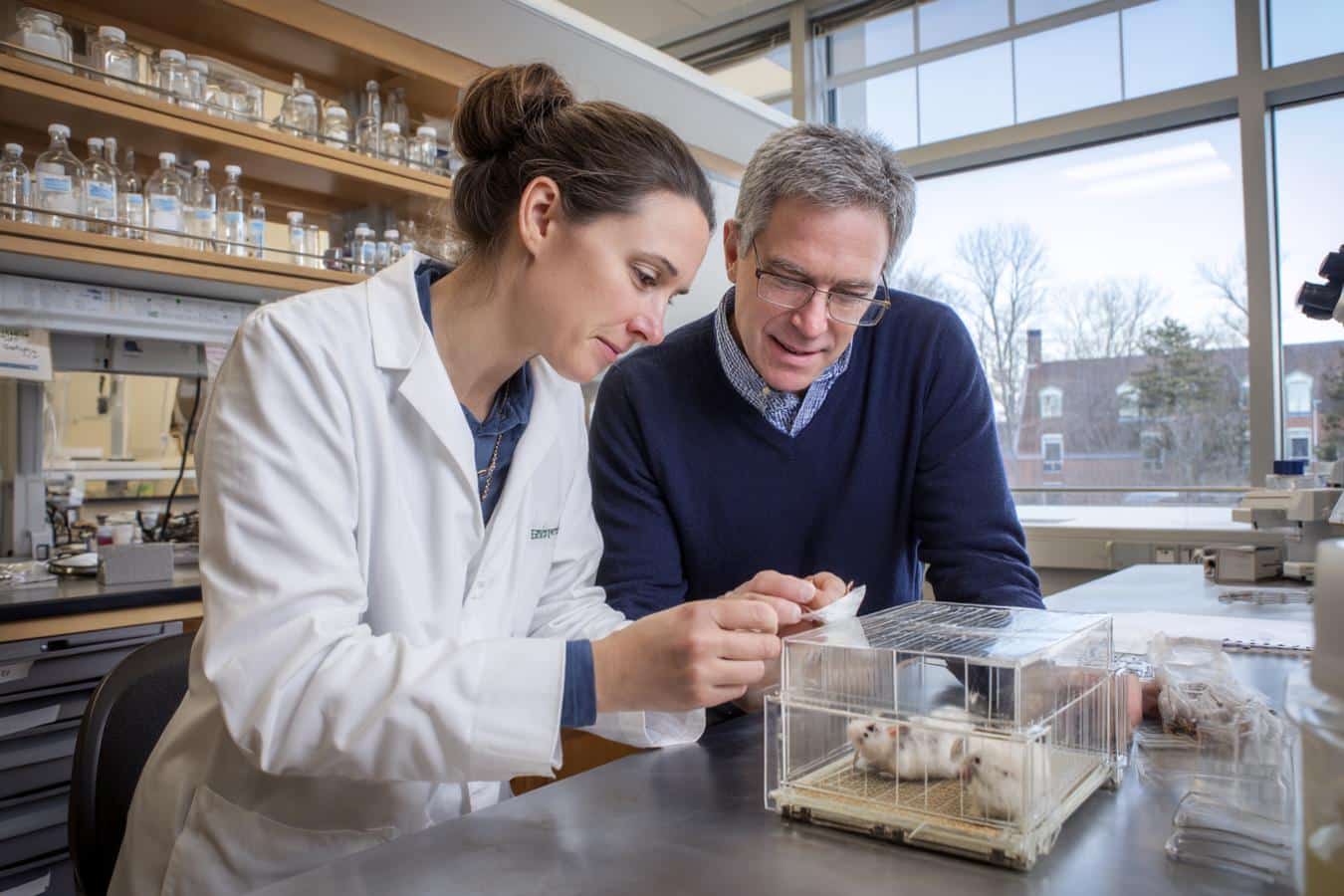
A fascinating scientific breakthrough reveals how the inhalation of menthol could combat cognitive decline in mouse models . This unexpected discovery establishes a direct link between olfactory stimulation and neuronal preservation.
Researchers have demonstrated that this familiar aromatic compound acts on the brains of rodents suffering from a neurodegenerative disease akin to Alzheimer’s. The study highlights the profound relationship between smell and memory , while activating a protective brain immune response that could transform our therapeutic approaches.
An Unexpected Chemical Compound Against Cognitive Decline
A recent study reveals surprising results concerning menthol and its impact on mice. This refreshing compound demonstrates an ability to contribute to the prevention of cognitive decline in these animals. Scientists found that this substance directly influences the regulation of brain inflammation by specifically reducing the interleukin-1-beta protein , thus maintaining cognitive functions in mice afflicted with Alzheimer’s.
The findings are not limited to sick mice; even healthy specimens exhibited enhanced memory performance following menthol exposure . This unexpected discovery suggests that this compound could have broader neurological positive effects beyond merely managing Alzheimer’s. These results potentially pave the way toward innovative therapeutic approaches using odor compounds against various forms of cognitive disorders.
The Central Role of the Olfactory System in the Effect of Menthol
Scientific work illuminates the complex interaction between smell and the brain in this phenomenon. Mice inhaling menthol show notable improvements due to a modification in the brain’s response to odors . These discoveries reveal that our nose does much more than detect scents; it actively participates in modulating cerebral inflammatory proteins .
“We discovered that the olfactory system, by interacting with specific compounds like menthol, can indeed modulate the immune response and contribute to cognitive improvement.”
Juan José Lasarte, Immunologist
This scientific breakthrough underscores the little-known links between the olfactory system and immunity in the brain. Deepening our understanding of the influence of smells on mental health could lead to innovative treatments for neurodegenerative diseases, reshaping our perception of the therapeutic potential of aromas in modern medicine.
Immune Cells Involved in the Observed Improvement
The recent research uncovers a fascinating mechanism where lymphocytes actively participate in the cognitive protection process. After several weeks of observation, scientists identified that regulatory T cells (Treg) play a critical role in this phenomenon. These findings show how menthol exposure modifies the control of the immune response in model mice.
Microscopic analyses revealed a significant reduction in inflammatory markers in the brains of treated rodents. This reduction results directly from the inhibition of interleukin-1-beta , a pro-inflammatory protein usually overexpressed in Alzheimer’s disease. Researchers suggest that this mechanism of cerebral inflammatory control could represent a promising therapeutic target to slow the progression of this neurodegenerative disorder.
Potential Therapeutic Implications for Neurodegenerative Disorders
This discovery opens new avenues for developing novel approaches against degenerative brain diseases. Researchers are now exploring how menthol use could complement existing neurological disorder treatments . The innovative aspect lies in olfactory stimulation as a pathway to the brain, thereby bypassing the blood-brain barrier that limits the effectiveness of many drugs.
The next phases of research will aim to determine whether these results can be translated to humans. The study of odor-brain relationships could revolutionize our approach to central nervous system diseases . Multiple laboratories are already examining how the action of immune modulators could be amplified by specific aromatic compounds, creating a new therapeutic paradigm combining neurology and immunology.