
The Devastating Impact of Deindustrialization in France
Deindustrialization is a term that resonates deeply within the context of France’s economic landscape. Over the past fifty years, the nation has witnessed a staggering phenomenon: it has lost half of its industries , transitioning from a robust manufacturing powerhouse to a country heavily dependent on imports. This trend has raised alarming concerns, especially in light of recent global events like the COVID-19 pandemic , which underscored France’s inability to produce essential goods, including pharmaceuticals .
The Documentary: “Who Killed French Industry?”
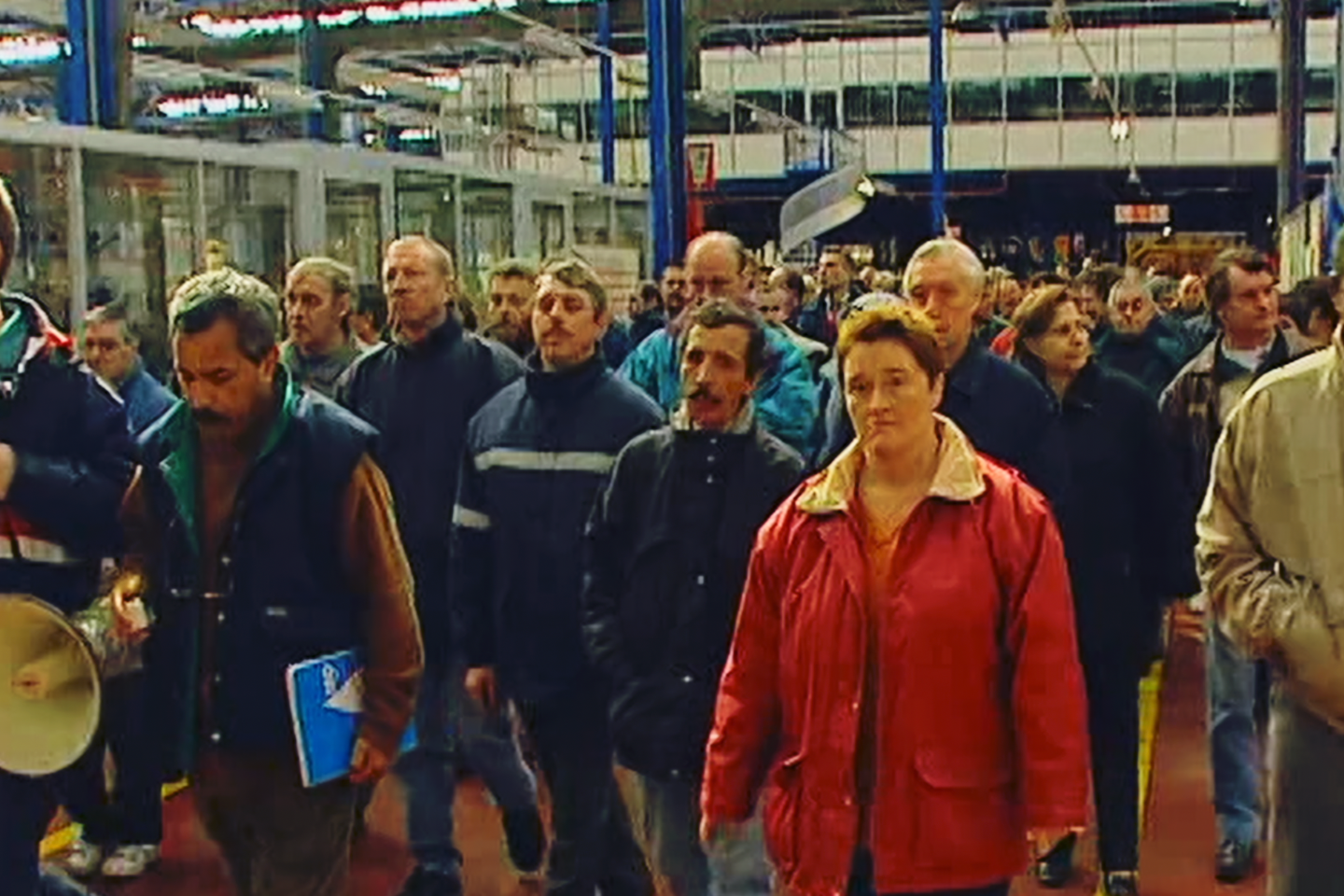
This profound issue is explored in Ella Cerfontaine’s impactful documentary, *Who Killed French Industry?* This visual narrative not only highlights the historical backdrop of France’s deindustrialization but also identifies key figures who played significant roles in this decline. As a seasoned journalist known for works like *Autopsy of a Political Scandal* and co-directing *Re/Make Masks*, Cerfontaine masterfully weaves together analysis and personal stories to illustrate the painful realities faced by affected workers and communities.
The Critical Role of Political Leadership
Understanding the decline of France’s industrial fabric requires a deep dive into the political decisions made over the decades. The dismantling of France’s industrial base began notably during the late 20th century. The documentary highlights two primary culprits: President Valéry Giscard d’Estaing and Prime Minister Raymond Barre . Elected in 1974, d’Estaing’s tenure coincided with the first oil shock , a pivotal moment that commenced the unraveling of industrial strength. Under their administration, the workforce in the industrial sector shrank dramatically, leading to the closure of 33,000 companies within just a few years.
The Mitterrand Era: A Turning Point
The story doesn’t end there. François Mitterrand’s election in 1981 marked yet another crucial turning point. Under his leadership, the industry accounted for 22% of the economy . However, despite promises to revive employment, the steel industry faced catastrophic setbacks. Companies like Usinor , which played a vital role in the sector, were forced to close, leaving many workers feeling profoundly betrayed . As the heart of the industrial workforce dwindled, a legacy of desperation and loss began to permeate through the fabric of French society.
The Unfolding Consequences
The repercussions of these political decisions have been monumental. As imports surged and manufacturing capabilities diminished, France’s economic sovereignty was severely compromised. This raises pertinent questions about national resilience in crises, especially when a country cannot produce its own essential goods . The pandemic laid bare the vulnerabilities of a system that had long favored outsourcing and globalization , exposing frail supply chains and a critical need for self-sufficiency.
Current Efforts and Future Directions
Today, many stakeholders are advocating for a revitalization of French industry. Discussions around industrial sovereignty have gained increasing traction within political and economic circles. This newfound focus includes supporting local manufacturers and investing in technology and innovation to help rebuild a sustainable industrial sector. Policymakers are exploring frameworks designed to encourage local production and reduce reliance on external sources.
Lessons Learned: A Path Forward
Looking ahead, it’s crucial for France to learn from the past. The loss of industrial capability serves as a cautionary tale. Policymakers, industry leaders, and the public must engage in dialogue about the need for a balanced approach to economic development that embraces both globalization and local production. Building a resilient industrial base can serve as a buffer in times of crises, contributing to national security and economic stability .
In conclusion, the film *Who Killed French Industry?* offers a clarion call, urging viewers to reflect on the dramatic shifts within France’s industrial landscape and the political decisions that have shaped it. By understanding the roots of deindustrialization, we can pave the way for a brighter, more self-sufficient future. The journey toward revitalizing French industry is both challenging and imperative, but the lessons of history provide a compelling roadmap for a sustainable economic renaissance.