
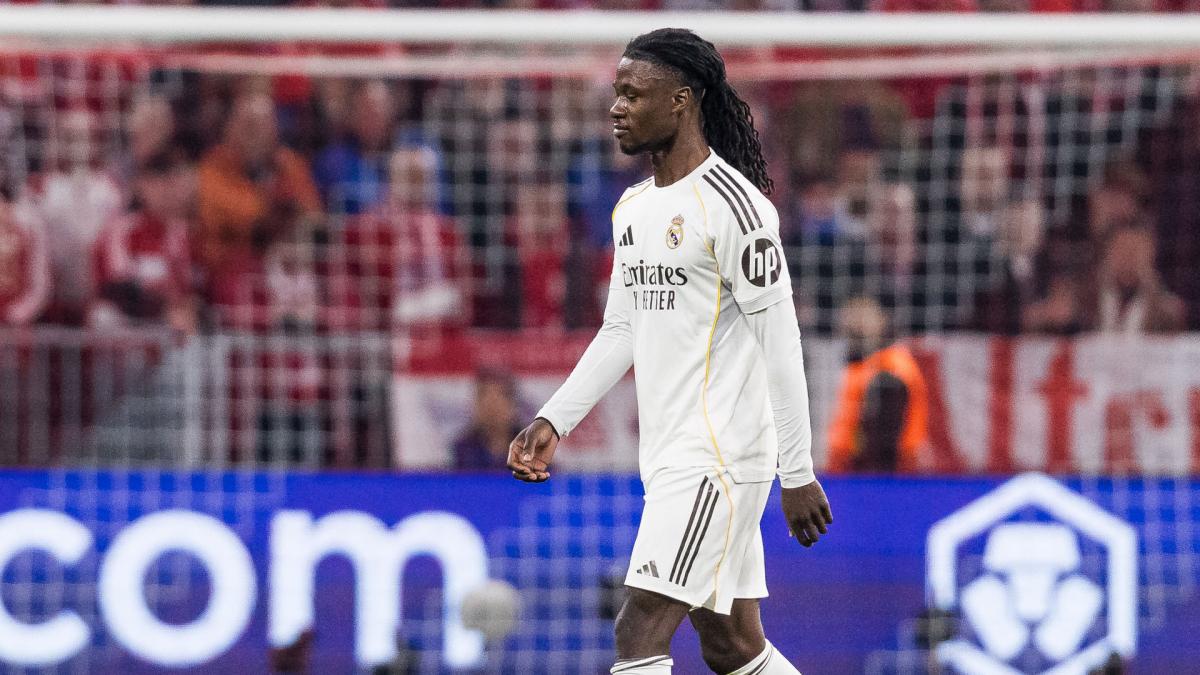
Eduardo Camavinga: Facing Criticism and Taking a Social Media Hiatus
The Pressure of the Game
Following Real Madrid’s disappointing exit from the Champions League quarter-finals against Bayern Munich, midfielder Eduardo Camavinga has been thrust into the spotlight—not just for his performance on the pitch but for the backlash he received in its aftermath. The match concluded with a cumulative score of 6-4 in favor of Bayern, but for Camavinga, the night was marred by his dismissal after receiving two avoidable yellow cards.
Emotional Impact and Decision to Disconnect
In an emotionally candid interview, the 23-year-old Frenchman revealed the toll this incident took on his mental health. “It was an incident that touched me. I didn’t expect it at all,” he said. The avalanche of criticism that followed weighed heavily on him, leading to his drastic decision to cut all ties with his social media accounts. This choice, he noted, was pivotal for his mental well-being. “We are better off without social media; it was the right thing to do,” he added during a segment on Canal+.
The Ups and Downs of Football
Camavinga’s situation shines a light on the often thankless nature of professional football. While athletes can have stellar performances, a single mistake tends to overshadow a multitude of positive contributions. “Football is thankless, we forget ten good matches on an action like that,” he remarked, encapsulating the harsh reality many players face.
Having garnered considerable acclaim for his skills and contributions to the team prior to this match, the unexpected turn of events illustrates how quickly public opinion can shift. Camavinga’s experience also underscores the inherent pressures of being a top-tier athlete. The scrutiny, especially in high-stakes matches like those in the Champions League, can be intense and unforgiving.
Support from Peers and Moving Forward
Fortunately for Camavinga, he wasn’t entirely alone in facing this adversity. He received significant support from his teammates, who reassured him that the refereeing decisions were questionable. “The locker room supported me, told me it was a refereeing error,” he explained, emphasizing the communal resilience that often exists in team sports.
This backing may serve as a needed buffer against the harsh criticisms that echo through social media and public discourse. In team sports, the importance of camaraderie and solidarity cannot be understated, particularly during challenging times.
Conclusion: The Road Ahead
As Eduardo Camavinga looks to navigate the aftermath of this incident, his decision to step back from social media speaks volumes about the importance of mental health in sports. By prioritizing his well-being, he takes a proactive approach that many athletes may find beneficial. Whether or not he returns to the online world, his focus remains on growing as a player and person, learning from setbacks while surrounded by a supportive network of teammates and fans alike. This situation serves as a poignant reminder of the pressures athletes face, and highlights the need for understanding and support from fans during challenging times.