
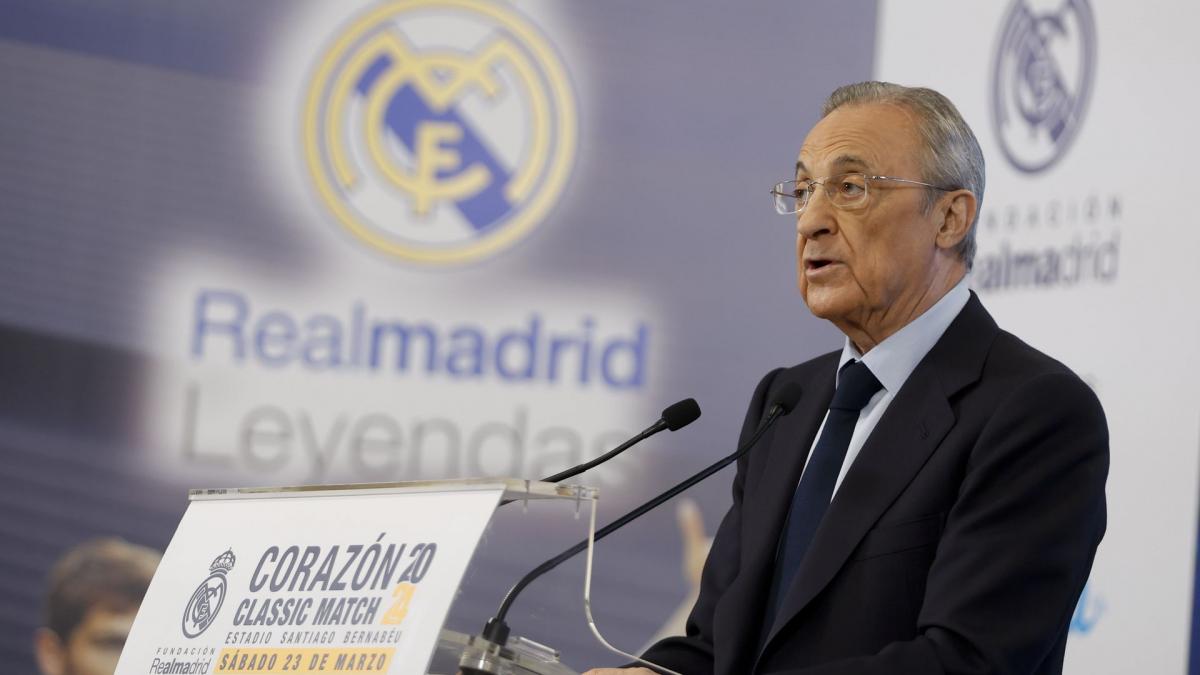
Real Madrid’s Strategic Financial Maneuvering
In the world of football, financial success can often overshadow on-pitch performances. This summer, Real Madrid has made headlines by reportedly earning over €138 million without the need for any major player exits from their first-team roster. This scenario showcases the club’s strategic prowess in player development and transfer market maneuvers.
Key Player Sales
The significant influx of funds stems from a series of savvy player sales. Here’s a breakdown of the lucrative transactions:
- Nico Paz to Como: €60 million
- Victor Muñoz to Liverpool: €20 million
- Mario Gila to AC Milan: €15 million
- Álvaro Rodriguez to Bournemouth: €15 million
- Victor Valdepeñas to Fiorentina: €8 million
- Additional sales totaling €12.5 million rounded off the staggering figure.
This impressive sum has been accumulated primarily from players nurtured through the club’s youth academy, La Fabrica. The retention of half of the players’ rights allowed Real Madrid to maximize profits when these players were moved on.
The La Fabrica Advantage
Real Madrid’s success in the transfer market can be attributed to its strong academy system. La Fabrica has consistently produced talent that not only benefits the first team but also generates revenue through strategic sales. By maintaining a stake in the players, the club secured a share of the transfer fees without compromising its squad depth or immediate competitiveness.
The recent strategy of developing young talent and then transferring them once they’ve established a reputation in their respective leagues has proven to be a win-win situation. This philosophy not only brings in significant financial resources but also ensures future sustainability.
New Era Under Mourinho
As Real Madrid looks ahead, the club is ushering in a new era under José Mourinho. The acquisition of high-profile players such as Denzel Dumfries, Marc Cucurella, Ibrahima Konaté, and Bernardo Silva signals the club’s ambition to enhance its competitive edge. With additional targets like Michael Olise and another central defender being pursued, it’s clear that Madrid’s management is not resting on its laurels.
Financial Strategy Meets Tactical Evolution
This summer’s financial prowess aligns perfectly with the tactical evolution the club aims to achieve. With ample funds available, Madrid can explore new opportunities in the transfer market while retaining a solid first-team structure. The absence of major departures exemplifies a shrewd approach: improving the squad without losing key players, thereby enhancing the depth ahead of an exciting season.
Conclusion
Real Madrid’s astute financial management, combined with its commitment to nurturing talent, has allowed the club to stand out in the fiercely competitive landscape of European football. Earning €138 million without significant squad disruptions highlights not just their financial acumen, but also sets a precedent for strategic planning and execution. As the club navigates this new chapter, fans can stay optimistic about the combination of new signings and the core they have worked hard to maintain.