
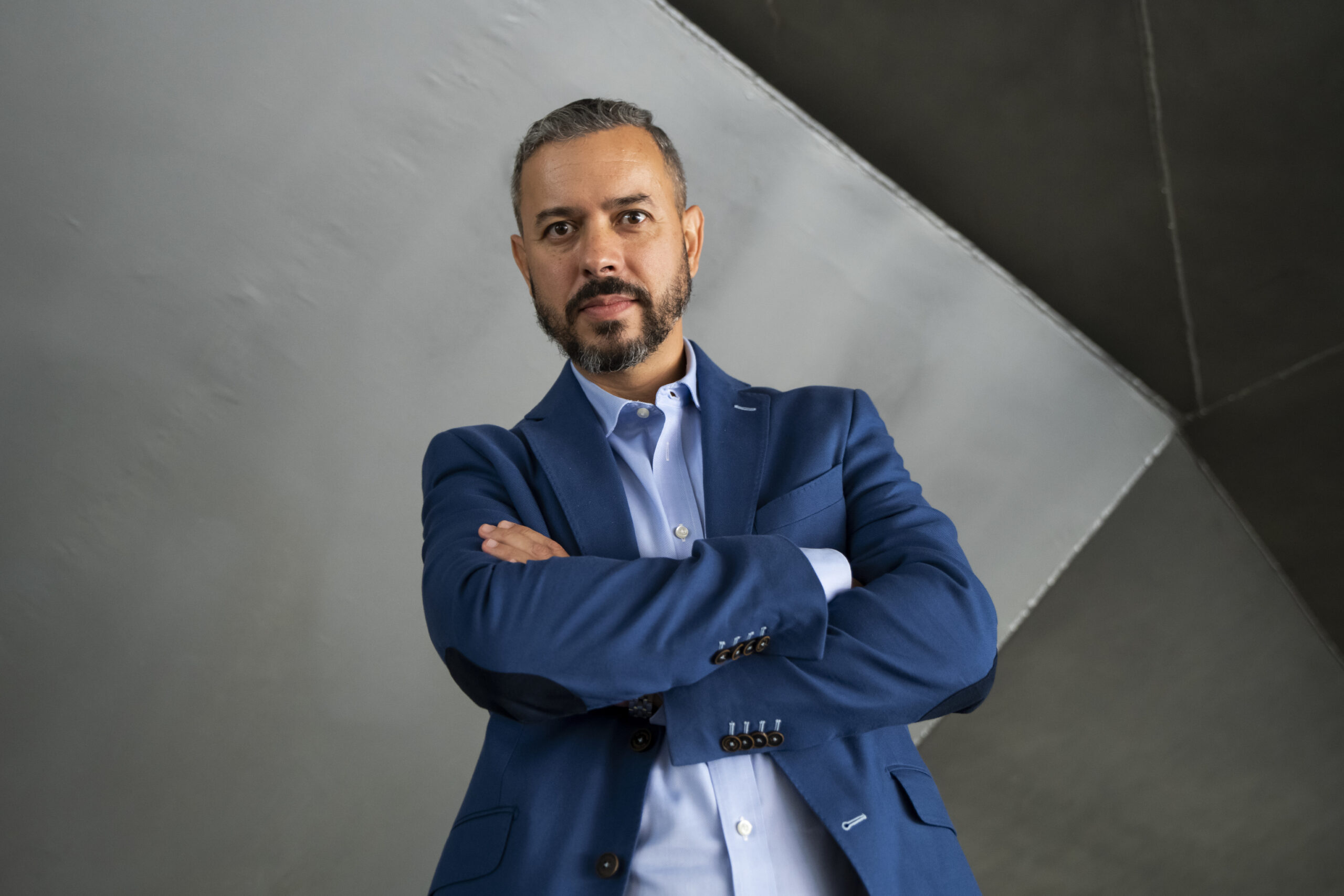
Raúl Rabadán Resigns from CNIO Directorship
Background of the Decision
On June 1, 2026, the Ministry of Science, Innovation and Universities announced that Dr. Raúl Rabadán has opted not to take on the role of scientific director at the National Cancer Research Center (CNIO). This surprising decision comes despite his selection through a competitive process held last September. The Ministry expressed both respect and regret regarding Rabadán’s withdrawal, indicating the need for immediate action to ensure that leadership at the CNIO remains stable.
Replacement Strategy
In light of Rabadán’s resignation, the Ministry, led by Diana Morant, is preparing to present strategies at the Board of Trustees meeting scheduled for June 8. The focus will be on implementing measures that guarantee the continuity of scientific management at the CNIO. This step is critical, as the CNIO plays a vital role in cancer research, and any leadership gap could hinder ongoing projects and funding approvals.
A Brief Profile of Dr. Raúl Rabadán
Raúl Rabadán is a respected physicist and bioinformatician. He was unanimously elected by the CNIO Board of Trustees on September 4, following a rigorous selection process that began in April. Rabadán holds a degree in Physics and a doctorate from the Autonomous University of Madrid, showcasing his strong academic background.
Previous Experience
Before being selected, Rabadán served as the Gerald and Janet Carrus Professor at Columbia University, where he directed the Mathematical Genomics Program. He also led the Center for Topology of Cancer Evolution and Heterogeneity, prior to this role. His extensive experience includes research appointments at prestigious institutions like the Institute for Advanced Study in Princeton and CERN in Geneva.
Contributions to Cancer Research
Rabadán’s scientific contributions are noteworthy. He has focused on developing quantitative models that analyze large-scale genomic data, aiming to understand the intricate dynamics of both cancer and infectious diseases. His research has resulted in over 200 peer-reviewed publications in high-impact journals, including Nature, Science, and Cell. This impressive portfolio underlines his credibility and expertise in the field.
Implications for CNIO
The decision of Rabadán to step back raises questions about the future scientific direction of the CNIO. This institution has been pivotal in advancing cancer research, and any leadership disruption could affect ongoing projects, collaborations, and funding opportunities. As the CNIO looks for a new scientific director, it will be essential to find a candidate who can quickly adapt and continue driving forward the crucial research initiatives that impact patient outcomes and scientific understanding of cancer.
Conclusion
The resignation of Dr. Raúl Rabadán from the CNIO brings a sudden change that the Ministry of Science, Innovation and Universities must address swiftly. As the CNIO prepares for future leadership strategies, maintaining the momentum in cancer research will be paramount. The scientific community will be watching closely to see how this situation unfolds and the new directions that the CNIO will take in its quest for breakthroughs in cancer treatment and understanding.