
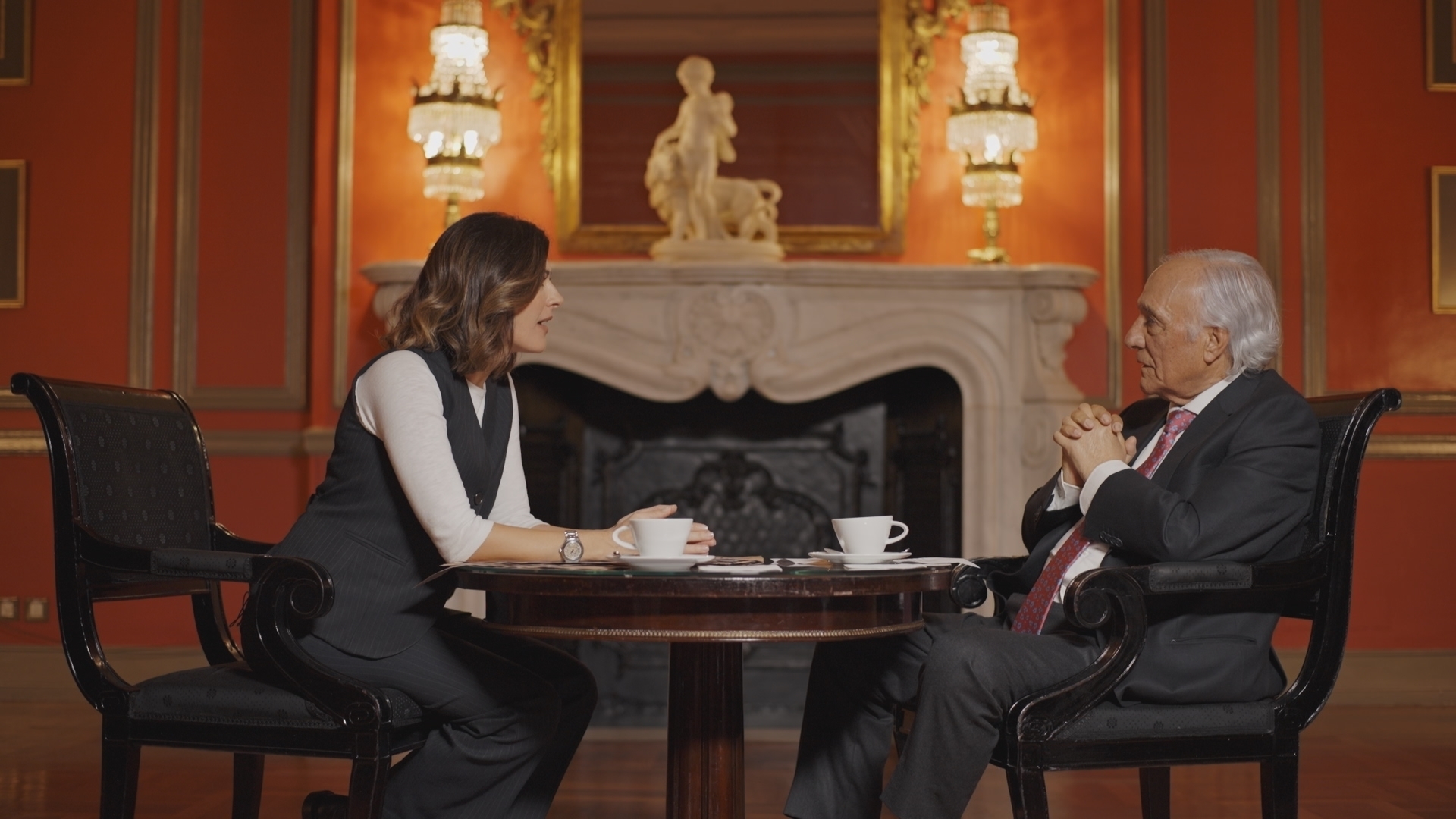
The Life and Legacy of Raúl del Pozo: A Master of Journalism
Early Years
Raúl del Pozo, born on Christmas Day in 1936 in La Torre, Cuenca, grew up amidst the rustic elegance of Spain’s countryside. Orphaned at an early age, he learned vital life skills from his father, including fishing and reading the landscape. His formative experiences in nature shaped him into the masterful storyteller he would later become. His early education began at age five, where the journey to school was filled with adventures, such as catching fish and evading the Civil Guard.
The Transition to Journalism
In 1960, del Pozo transitioned to journalism, working for Diario de Cuenca. His innate talent for writing quickly became evident, culminating in his first literary endeavor, Hay gorriones en la tumba de Judas (1961). This novel, blending childhood tales and reflections of rural life, encapsulated his passion for literature. Shortly after, he moved to Barcelona, where he navigated life as a struggling writer.
His time in Barcelona was marked by an unconventional lifestyle, as he engaged with street life and honed his poker skills. Del Pozo often relied on his wits to survive, developing a resourceful and charismatic persona that would define his journalistic career.
Rising to Prominence
Del Pozo’s breakthrough came in Madrid, where he ingrained himself in the vibrant literary scene, particularly at Café Gijón. He mingled with prominent cultural figures like Manuel Vicent and José María García, forging connections that would propel his career. His first major assignment was a report on the sewers of Madrid, establishing his reputation as a fearless journalist who was unafraid to explore the underbelly of society.
During his years at Pueblo, del Pozo’s writing merged literary flair with unflinching political commentary. His experiences during the Franco regime and the subsequent democratic transition in Spain added depth to his work. He became known for his incisive and often provocative political analysis, making him a significant figure in Spanish journalism.
Literary Contributions
Throughout his career, del Pozo authored numerous works that spanned journalism, literature, and opinion pieces. He re-emerged in the literary scene in the 1990s with successful novels like Noche de tahúres (1994) and La novia (1995), effectively blending his journalistic insights with fictional narratives.
His connection with literary agent Carmen Balcells also led to fruitful collaborations, elevating his status as a leading voice in Spanish literature. Balcells famously encouraged him to retrieve a ham sandwich from her during a visit, showcasing the light-hearted camaraderie they shared.
A Life Well-Lived
Despite facing numerous challenges, including personal loss and health issues, del Pozo remained an indomitable spirit throughout his life. He was married to Natalia Ferraccioli for over fifty years, a partnership that deeply influenced his life. After her passing in 2018, del Pozo penned one of the most poignant tributes of his career, reflecting on a life enriched by love and friendship.
Del Pozo’s legacy as a journalist and author transcends his written word. His vibrant approach to life and storytelling has left an indelible mark on Spanish journalism, making him a luminary in the field. As his friends and colleagues continue to celebrate his influence, it is clear that Raúl del Pozo exemplified the spirit of a true bucardo in the ever-evolving landscape of journalism.