
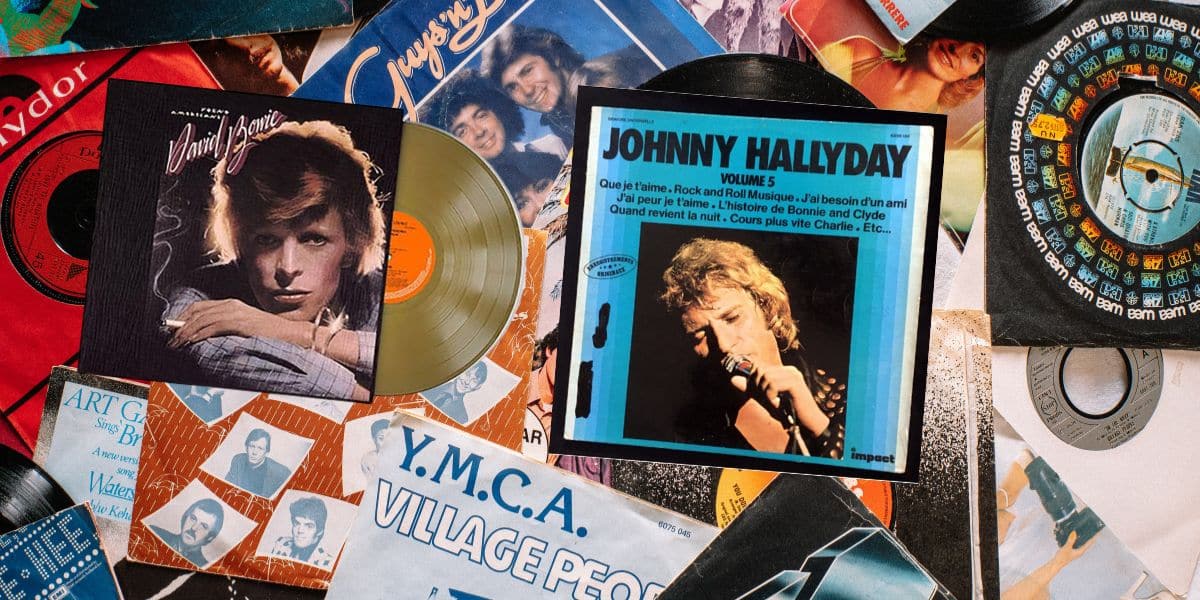
The Resurgence of Vinyl: A Journey Through Music, Culture, and Nostalgia
In recent years, there has been a remarkable resurgence of vinyl records, captivating both old-school collectors and a new generation of music enthusiasts. This revival is not just about the warm, analog sound associated with vinyl; it’s also about the tactile experience of handling a physical medium in an era dominated by digital formats. From the rich history of vinyl to its undeniable impact on the music industry today, let’s explore the factors driving this fascinating trend.
The Rich History of Vinyl Records
Vinyl records made their debut in the early 20th century, gradually replacing earlier formats like shellac records. By the 1950s and 1960s, vinyl had established itself as the primary medium for music consumption. Artists such as The Beatles and Elvis Presley became cultural icons, and vinyl records served as the ultimate way to experience their music.
However, the introduction of cassettes and later CDs in the 1980s led to a decline in vinyl’s popularity. For decades, digital formats dominated, leaving vinyl largely relegated to the status of a niche collectible. Yet, in the early 2000s, something began to shift. Many music lovers began rediscovering the appeal of vinyl records, drawn by nostalgia and a desire for something more substantial than digital downloads.
Why Vinyl? The Allure of Physical Media
One might wonder, what exactly draws people back to vinyl in a world overtaken by streaming services? The reasons are multifaceted. Firstly, vinyl records offer a unique sound quality that many aficionados claim is unmatched. The warmth and depth of analog sound provide a listening experience that digital formats often fail to replicate.
Secondly, there is the artistic expression that vinyl allows. Album covers transform into canvases, showcasing breathtaking artwork and inherent creativity. For collectors, the physical album is not merely a vessel for music; it’s a piece of art in its own right.
The Collector’s Market: Rarity and Value
Collectors are particularly attracted to rare vinyl records, with some items fetching astonishing prices at auction. For example, certain rare vinyl albums can sell for up to €30,000, making them a lucrative investment for music lovers. The thrill of the hunt for hidden gems at record stores or flea markets is part of the allure, as is the satisfaction of discovering a rare release.
In 1966, a vinyl record by the legendary Johnny Hallyday became a hit, and its value has soared in recent years. Today, it can fetch prices upwards of €15,000. Such instances not only heighten the excitement of vinyl collecting but also affirm its status as a serious medium within the music industry.
The Role of Social Media and Community Engagement
The revival of vinyl has also been augmented by the rise of social media. Platforms like Instagram and TikTok have amplified the voices of collectors, artists, and enthusiasts, fostering vibrant communities around vinyl culture. People share their collections, showcase rare finds, and discuss the deeper meanings behind album art and track selections.
Moreover, local record shops continue to thrive as community hubs, hosting events such as listening parties and live performances. The connection among vinyl lovers nurtures a sense of belonging, making the experience not just about music but about community and culture.
Challenges Facing the Vinyl Industry
While the revival of vinyl is thrilling, it is not without its challenges. The industry faces issues such as limited pressing capacity, which can lead to supply chain disruptions. Companies struggle to meet the high demand, often leading to extended wait times for new releases. Additionally, the environmental impact of vinyl production raises concerns, prompting some artists and collectors to explore sustainable alternatives.
The Future of Vinyl
The future looks promising for vinyl enthusiasts. According to recent reports, it is projected that revenue from vinyl sales will continue to outpace digital downloads and even CDs. The ongoing merging of nostalgia with modern technology may pave the way for new innovations, including enhanced listening experiences through smart vinyl players that incorporate digital elements.
In addition, record labels are increasingly focusing on vinyl releases, recognizing the medium’s revival as a profitable avenue. Special editions, colored vinyl, and remastered albums are becoming commonplace as labels aim to attract collectors and casual listeners alike.
While the resurgence of vinyl is undoubtedly driven by nostalgia, it is grounded in a deeper appreciation for music as an art form. The allure of the tangibility, sound quality, and community surrounding vinyl culture ensures that it will remain a significant player in the music industry for years to come. As both seasoned collectors and newcomers alike continue to discover the magic of spinning records, it’s clear that vinyl’s second act is far from over.