
The Deteriorating Relationship Between North and South Korea
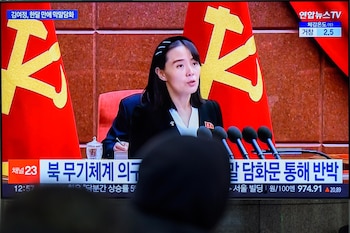
The tension between North and South Korea continues to escalate, as comments from Kim Yo Jong, the sister of North Korean leader Kim Jong Un, underscore the deepening divide between the two nations. In a recent statement, Kim Yo Jong dismissed South Korea’s diplomatic gestures as meaningless, asserting that “none of them is worthy of praise.” This dismissal reflects a hardening stance from Pyongyang, which has long viewed Seoul’s relationship with the United States as a major barrier to reconciliation.
Kim’s remarks pointedly indicated that “regardless of the policy adopted or the proposal presented in Seoul, we have no interest in it.” This unequivocal rejection highlights the impasse that currently exists, and Kim emphasized that any negotiations or discussions with South Korea are out of the question. The North’s priority seems firmly set against engaging with a South Korean government that aligns itself closely with Washington.
The U.S.-South Korea Alliance: A Source of Friction
In her declaration, Kim Yo Jong stated that the ongoing alliance between South Korea and the U.S. is responsible for the “deterioration of the situation in the Korean Peninsula.” This assertion speaks volumes about North Korea’s view of inter-Korean relations, framing them not only in terms of historical animosity but as a battle against what they perceive as imperialist influence. Kim’s framing brings forth the idea that any genuine reconciliation is impossible as long as Seoul remains allied with the United States.
Kim further denigrated the South Korean government, stating that whether it claims to defend “democracy” or acts under the guise of “conservatism,” it can never be a “partner for reconciliation and cooperation.” By insisting on this viewpoint, Kim is signaling that the ideological chasm between both countries is as robust as ever. Thus, any attempts at diplomacy from the South are viewed through this lens of distrust and antagonism.
Recent Diplomatic Efforts and Their Reception
Despite South Korea’s recent initiatives under President Lee Jae Myung aimed at easing tensions, Kim has remarked that such measures, even if sincere, are inadequate given the historical context. Kim claimed that the South Korean government has invited a “plague” of problems upon itself, referring to its earlier confrontational stance toward the North. This positions South Korea’s current diplomatic overtures as ultimately insubstantial, undermined by years of perceived hostility.
Kim underlined that the prior aggressive rhetoric from South Korea towards North Korea must be reckoned with. She expressed incredulity at the notion that a few “sentimental words” can reverse the outcomes of ongoing conflict. According to her, that notion represents a fundamental misjudgment by the South Korean leadership.
Implications for Future Relations
As tensions continue unabated, the prospects for dialogue between North and South Korea appear increasingly bleak. The North’s ongoing missile tests and military exercises, which have met with stern warnings from international observers, add to the already fraught atmosphere. With military tensions at an all-time high, the situation remains precarious, and the possibility of a diplomatic breakthrough seems slim.
In summarizing, the remarks made by Kim Yo Jong serve as a potent reminder of the entrenched positions held by both North and South Korea. Her outright rejection of any South Korean overtures reflects a significant barrier to peace, one that is intimately tied to the broader geopolitical dynamics involving Washington. The potential for dialogue appears dim as each side remains committed to their narratives and positions, ensuring that the Korean Peninsula remains a flashpoint for international tensions rather than a landscape of cooperation.
The world watches as the situation unfolds, hoping for a thaw in relations, but as the North’s rhetoric amplifies, many are left to ponder the likelihood of meaningful dialogue ahead.