
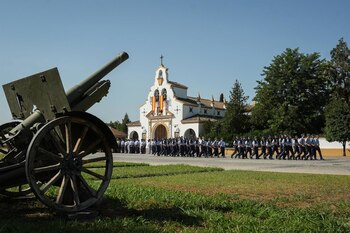
PSOE Refuses to Debate Investigative Commission on Military Abuses
The Spanish Socialist Workers Party (PSOE) has opted not to debate the proposal pushed by Esquerra Republicana (ERC) and supported by various other political parties for a commission investigating potential abuses during the Compulsory Military Service from the 1980s and 1990s. This decision has raised questions about accountability and oversight regarding past military practices in Spain.
Background of the Proposal
The initiative aims to clarify possible harassment, mistreatment, and humiliation that countless recruits reportedly endured. The goal is not only to unveil the truth but also to pave the way for legal recourse against those responsible and to ensure reparations for the victims. Notable supporters of this initiative include Bildu, Sumar, Junts, PNV, Podemos, BNG, and Compromís.
PSOE’s Reasoning
The PSOE has justified its refusal to set a date for this crucial discussion by stating that there are already too many parliamentary investigations open. According to representatives, maintaining a balance in legislative activities is essential to prevent Congress from becoming overwhelmed. Currently, four investigative commissions are active:
- An inquiry into the recent ‘dana’ (a meteorological event).
- One investigating an electricity blackout that occurred in April 2025.
- Two commissions tied to previous agreements with ERC and Junts regarding support for the Congress Board.
Despite the existence of these commissions, the PSOE insists that discussion on new proposals must be postponed until existing inquiries reach a conclusion.
Other Pending Proposals
In addition to the military service investigation, several other proposals await discussion in Congress. One notable proposal comes from Sumar, targeting alleged business dealings of Madrid President Isabel Díaz Ayuso’s boyfriend. Another significant case involves Santos Cerdán, whose arrest in relation to a mask procurement scandal has generated considerable attention.
Rule on Investigative Commissions
The PSOE’s stance reflects an unwritten rule that limits the number of active investigative commissions to three during each legislative period. Although there are currently four commissions in operation, party leaders maintain that starting any new inquiries would necessitate the completion of ongoing work. This approach aims to avoid organizational paralysis within Congress.
Urgency for Investigation
Supporters of the military abuses commission have stressed the necessity of clarifying responsibilities associated with the alleged abuses that occurred during mandatory military service. They argue that initiating this specific investigation would adequately address the political and social demands regarding these troubling chapters of history.
Outlook and Legislative Saturation
The ongoing delay in discussing important legislative matters, like the proposed investigation into military abuses, symbolizes a saturated parliamentary agenda. With various organizations and political factions emphasizing the need for these inquiries, the PSOE’s insistence on prioritizing existing work has relegated these pressing issues to the back burner.
As the PSOE maintains its current stance, proposals from Ciudadanos and pro-independence parties related to military history and contemporary issues will remain pending, awaiting a legislative window for effective processing. Whether this will shift in the near future remains uncertain, leaving many citizens concerned about the unresolved issues of abuse and accountability in Spain’s military history.