
In recent weeks, Paris Saint-Germain (PSG) has stepped into a significant controversy with the French Football Federation (FFF) following injuries to its star players, Désiré Doué and Ousmane Dembélé , during international duty with the French national team. According to French sports newspaper L’Équipe , PSG expressed its “deep concern” in a letter sent to the FFF on September 4, calling attention to what it views as a history of insufficient medical management for its players.
This recent incident underscores a growing tension between the club and the national federation regarding player welfare. PSG’s official communication highlights the need for a more transparent and collaborative approach to medico-sport coordination between the football clubs and the national team. The statement published by PSG emphasizes “serious and avoidable facts,” insisting that the club had previously transmitted clear guidelines concerning the workload its players could handle and the specific injury risks associated, which, according to PSG, were overlooked by the French team’s medical staff.
This issue is not isolated. L’Équipe reminds us that this isn’t the first time PSG has raised concerns. In June, the club voiced its unease over injuries sustained by Barcola and Dembélé . Moreover, in September 2024, Zaïre-Emery was also a topic of contention. PSG insists there has been a lack of consultation with their medical personnel prior to international matches, which is particularly contentious in light of the team’s recent match against Ukraine , a match that resulted in a 2-0 victory.
Despite the French team’s denial of PSG’s allegations, clarifying that a meeting occurred between PSG’s physician and Franck Le Gall , PSG stands firm in its position, emphasizing ongoing communication failures surrounding the health status of players like Dembélé and Doué. The National Union of Professional Footballers (UNFP) has stepped in, defending PSG’s stance on the matter.
Wider Implications of PSG’s Actions
PSG’s stance is likely to resonate with other clubs—both French and international—that have encountered similar predicaments regarding player injuries during international breaks. For instance, the situation mirrors the case of Karim Benzema ahead of the 2022 World Cup , which had stirred discussions surrounding the routine medical management of players involved in multiple competitions.
By publicly challenging the medical protocols of the French national team, PSG aims to not only safeguard its players but also to exert pressure for the establishment of stricter rules governing collaboration between club teams and national selections. This controversy extends beyond individual player management; it may influence future protocols surrounding communication between clubs and the national team.
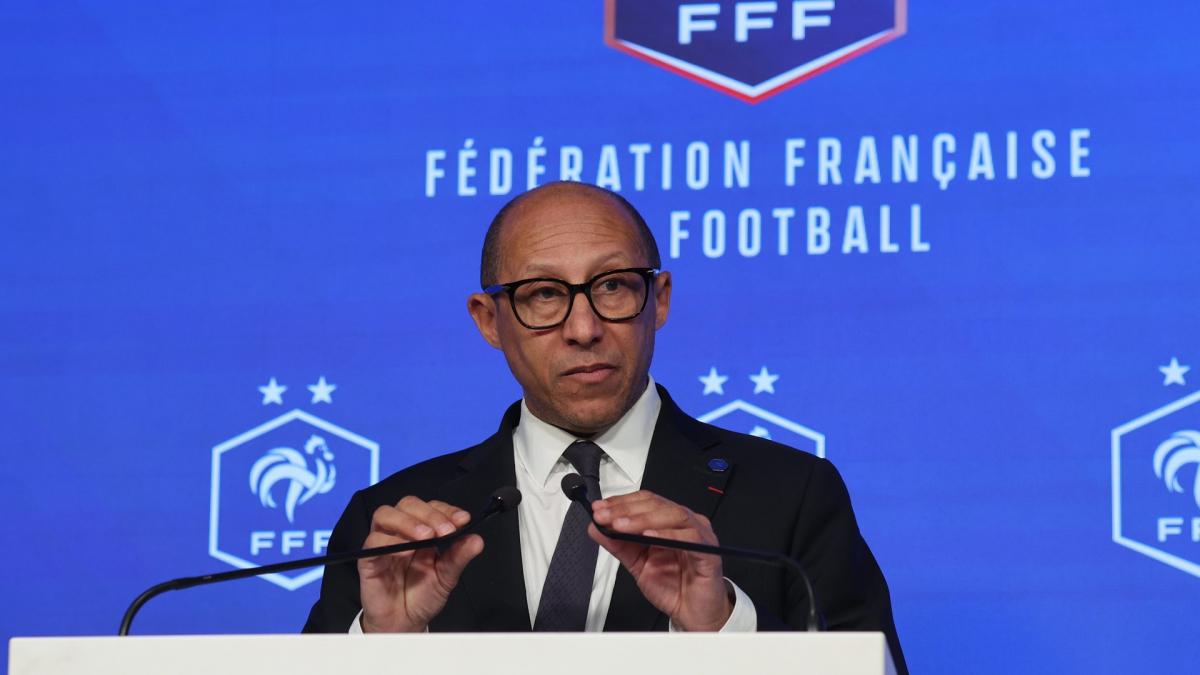
Despite the escalation, it’s noteworthy that no contemporary meeting has transpired between PSG President Nasser Al-Khelaïfi and FFF President Philippe Diallo . L’Équipe indicates that apart from the formal letter dispatched to the FFF, there has been minimal dialogue. Nonetheless, Diallo is expected to respond to the allegations made by PSG.
The condition of Parisian players still representing France, such as Bradley Barcola , Lucas Hernandez , and goalkeeper Lucas Chevalier , will be closely monitored during the upcoming match against Iceland . The management of Barcola, in particular, will be scrutinized given his previous role as a starter against Ukraine. The results from this international rally could exacerbate debates surrounding player welfare and management, notably leading up to Didier Deschamps’ selections for future matches in October and November. Everyone is on high alert as eyes will be fixed on how these decisions are made moving forward.
In conclusion, as PSG asserts its position amid growing concerns about player welfare and medical management, the future dynamics between clubs and national teams may be poised for significant change. This incident not only highlights the challenges faced by both entities but also emphasizes the importance of open communication and collaboration for the well-being of the athletes involved.