
The Rise and Fall of Hugo Ekitike: PSG’s Windfall Through Liverpool Transfer
Hugo Ekitike’s journey in professional football has been nothing short of a rollercoaster ride. Now, with his recent transfer to Liverpool, both the player and his former club, Paris Saint-Germain (PSG), find themselves in a commendable position. This transfer isn’t just significant for the player; it’s also financially beneficial for PSG, who stands to gain a substantial amount from Ekitike’s move to the Premier League.
Ekitike, now 23 years old, has experienced several phases in his burgeoning career. After an impressive season with Stade de Reims, where he was recognized for his potential, PSG acquired him for a price of €28.5 million. However, things didn’t pan out as anticipated during his time in the French capital. Following a stint filled with ups and downs, PSG ultimately decided to sell the young striker to Eintracht Frankfurt for €16.5 million.
The interesting twist in this saga lies in the financial structure of the transfer agreements. PSG had included a 20% sell-on clause in the deal, intending to capitalize on any future profit from the player’s transfers. This foresight is paying off now, as Liverpool has made a move for Ekitike following his loan spell in Germany. PSG will receive €15 million from this latest transaction, a significant financial boon for the club.
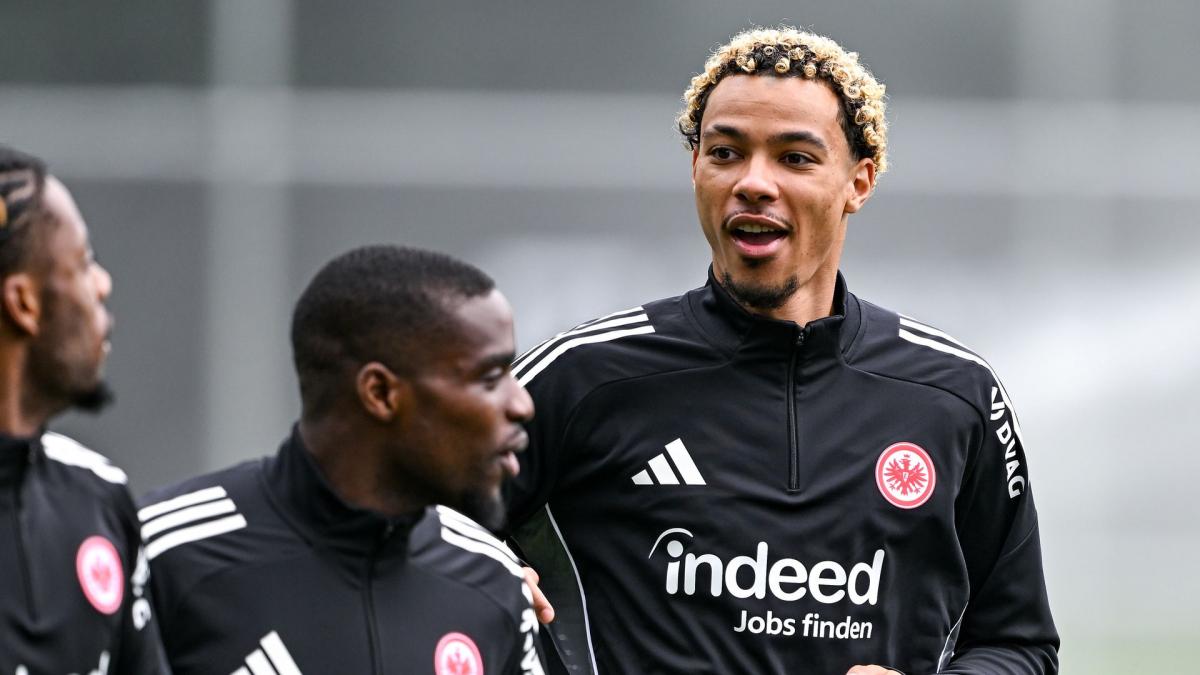
Ekitike’s career trajectory reveals much about the challenges faced by young talents in football today. After his initial acquisition by PSG, expectations were sky-high. It was believed that he would seamlessly integrate into the star-studded lineup of the Parisians. However, adapting to the demands of one of Europe’s foremost clubs proved to be a formidable challenge for him, leading to a loan to Frankfurt. During this period, Ekitike displayed flashes of brilliance, sparking hope for a revival of his career.
Notably, the platform provided by Frankfurt allowed him not only to gain valuable playtime but also to regain his form as a budding star. His performances generated interest, leading to this significant move to Liverpool, a club with a rich legacy and the right environment for nurturing talent. His link-up with Liverpool is expected to offer him fresh opportunities to prove himself, potentially making him a dynamic forward in the Premier League.
In analyzing this scenario, it becomes clear that the transfer market is a complex web of transactions that extends beyond immediate results. PSG’s astute financial planning and strategic clause insertion into Ekitike’s transfer are reminders of how clubs can benefit in the long term from the development of players. While on the surface Ekitike’s transfer might appear as a loss for PSG, the accompanying financial recovery makes it a smart move.
Furthermore, the financial underpinning of football clubs has become of increasing importance. Clubs are now more aware than ever that making shrewd investments in young players can pay off huge dividends, both on the pitch and financially. The sell-on clause is a testament to PSG’s forward-thinking approach in a time when football economics are rapidly escalating.
It’s crucial to understand that the development of a player like Ekitike is emblematic of larger trends within the European football landscape. Young talents face immense pressure to perform, often leading to premature transfers when expectations are unmet. Ekitike’s journey reflects this, but it also highlights the constant evolution and adaptation necessary for players to succeed.
As Ekitike prepares to don the famous red jersey of Liverpool, fans will undoubtedly be eager to see how he integrates into Jurgen Klopp’s system. While PSG reflects on their profitable dealings facilitated by foresight in their initial sale, Liverpool invests in a young player whose potential could align with their long-term goals.
In conclusion, Hugo Ekitike’s transfer saga serves as a multi-faceted case study that illustrates the intricate dynamics of player transfers in modern football. His transition from PSG via Frankfurt to Liverpool encapsulates not only the journey of a player seeking to find his best form but also the strategic financial maneuvers undertaken by clubs in an ever-evolving football economy. As Ekitike embarks on this new chapter, fans and analysts alike will keep a close eye on his progress, hopeful that he can finally realize his potential and contribute meaningfully to Liverpool’s ambitions.