
The Shift to Electric: Porsche’s New Era
In September 2019, Porsche unveiled the Taycan, marking its entry into the electric vehicle (EV) market. This wasn’t just any electric car; it represented a decisive moment in the modern lore of Porsche—a bold statement that the manufacturer was ready to embrace the future of automotive technology without sacrificing its storied heritage.
A Statement of Intent
The Taycan demonstrated that Porsche could deliver high performance even in an electric format. It achieved astonishing acceleration figures, challenging the status quo in the sports car industry. Initially, skeptics anticipated modest sales figures, but the Taycan received a warm welcome from the public, leading Porsche to reconsider its strategy. This shift was propelled by the inevitability of more stringent European emissions regulations, suggesting that a majority of Porsche’s lineup would eventually transition to electric models.
A Complicated Landscape
However, the success of the Taycan created complications. It was one thing to achieve glowing reviews for a flagship model, but could the same technology replicate the thrilling experience across Porsche’s entire range? The forthcoming electric Porsche Macan exemplifies this challenge. While the Macan is intended as a more accessible option for potential Porsche buyers, it also diverges from the expectations of customers who desire the raw performance of a traditional V6 engine—an essence that is particularly important for those eyeing a Porsche 718.
Reimagining the Porsche 718
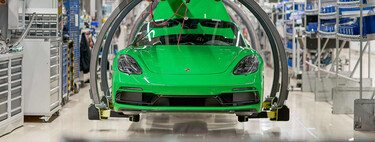
For many enthusiasts, the Porsche 718 is the epitome of “the Porsche experience.” These customers seek the exhilaration derived from a mid-engine layout and the distinctive sound of a boxer engine. While transitioning to electric power, Porsche aims to simulate the sensations of this iconic layout in its future electric 718, drawing inspiration from unexpected sources.
Looking to Hyundai for Inspiration
Interestingly, Porsche is turning to Hyundai as a benchmark in its electric endeavors. Unlike many other manufacturers that simply ramp up the power, Hyundai’s approach with the Ioniq 5N seeks to create a more engaging and thrilling driving experience.
Hyundai Ioniq 5N: A Case Study
The Hyundai Ioniq 5N stands out for integrating performance with a thrilling auditory experience. With an output of 650 HP, it offers a soundtrack that enhances the driving experience. This model does not merely aim for speed; it emphasizes the importance of a dynamic, sports-oriented feel, making significant strides in simulation technology—an area Porsche is keenly studying.
Building on Insights
Porsche’s Frank Moser confirmed that the Ioniq 5N had notably influenced the development of the new electric 718. By positioning the batteries behind the driver, Porsche aims to replicate the handling and feel of traditional mid-engine gasoline models. This design shift is intended to retain the iconic driving dynamics that Porsche is famous for.
The Future of Sound and Performance
Hyundai’s feature that simulates gear shifts and sound has garnered attention, as it attempts to add a layer of excitement to electric driving. Rather than delivering consistent torque across the board, the Ioniq 5N can alter its performance profile to simulate a multi-speed gearbox. This innovation has received positive feedback, showcasing that there’s a market for electric vehicles that prioritize the joy of driving, even in a silent package.
The Road Ahead
Porsche stands at a crucial crossroads. With ambitions to evolve its lineup into a predominantly electric brand, the automaker confronts challenges which require the right blend of performance, sound, and experience. Drawing from Hyundai’s successes and innovative features may be the key to ensuring that the future electric 718 can satisfy the long-standing cravings of Porsche enthusiasts.