
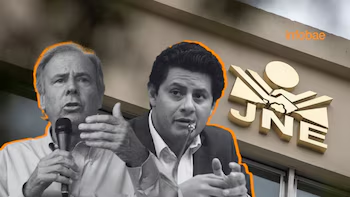
Popular Action Faces Crisis Ahead of 2026 Elections
Allegations of Fraud and Irregularities
Popular Action is currently embroiled in a significant crisis that could jeopardize its participation in the upcoming 2026 general election. José Naupari, a lawyer and expert in electoral law, has voiced concerns about the adverse implications of alleged fraud and irregularities in the appointment of delegates, questioning the legitimacy of all party lists. “We are talking about all the candidacies, not just the presidential one,” he stated in an interview with Channel N. The potential ramifications of these irregularities could undermine the electoral process entirely.
The Role of the National Election Jury (JNE)
Naupari highlighted that while the National Election Jury (JNE) has limited powers during primary elections, it retains the ability to intervene during the list qualification stage. This is particularly critical if credible reports of internal democratic vices are brought forward. The JNE’s actions could determine the fate of Popular Action, making its role vital in this unfolding situation.
Critical Decision Ahead of December 23
A crucial deadline looms: Popular Action must decide whether to submit candidacies by December 23. Opting out could lead to the cancellation of its electoral registration, effectively barring it from participating not only in presidential elections but also in the Andean Congress and Parliament. Conversely, if they choose to present candidacies and the allegations of impersonation hold weight, all lists might be invalidated, especially if there’s widespread evidence of fraud.
Consequences of Impersonation
If it turns out that more than 90% of delegates were impersonated, it could trigger general nullification, endangering all party lists. Naupari criticized the party’s failure to maintain its traditional system of “one militant, one vote,” arguing it would have mitigated the current crisis.
Internal Conflict Intensifies
Tensions within the party have escalated following the proclamation of Alfredo Barnechea as the presidential candidate. The opposition, led by Julio Chávez, has formally challenged the election results, alleging a “manifest and gross fraud” in the delegate appointments, including the replacement of numerous delegates and claims of vote buying.
ONPE’s Stance on the Election Process
The National Jury of Election Officials (ONPE) has defended its role, stressing that it merely registered the list of delegates as provided by Popular Action and did not supervise the internal selection process. Any list outside of this scope lacks legal standing, they assert, causing further complications in the party’s situation.
Future Uncertainty for Popular Action
As the JNE probes into the alleged inconsistencies, there’s a troubling lack of transparency. The organization has yet to issue any official communication regarding the matter, leaving the party’s future in a precarious state. Popular Action now faces a significant decision: either register its candidacies and risk cancellation or withdraw, which could indefinitely postpone its political ambitions. This crossroads will ultimately shape the trajectory of the party leading into the crucial election year of 2026.
In conclusion, the path ahead for Popular Action remains fraught with challenges as it navigates claims of internal discord, questionable electoral practices, and a critical decision that could define its political survival.