
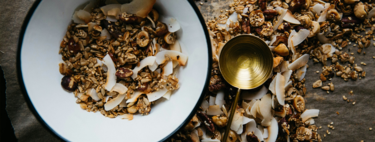
The Shift Towards a Planetary Health Diet
In today’s supermarket landscape, container labels overwhelmingly proclaim “High in proteins.” From powdered drinks to fortified yogurts, and even sauces, the emphasis on protein has skyrocketed. For years, dietary guidelines recommended replacing red meat with chicken or fish. However, the narrative has shifted. The term “protein” has evolved, becoming not just an advertising strategy but also a cultural identity and even an aesthetic aspiration. With such an abundance of choices in the market, new research is shedding light on the value of different protein sources, how they are processed, and their environmental costs.
Eating “On the Planet”
A comprehensive investigation, published in Science Advances, analyzed data from 37 studies involving more than 3.2 million participants. The findings are compelling: when individuals adhered more closely to what’s termed the Planetary Health Diet (PHD), their risk of dying from any cause significantly decreased, alongside a smaller carbon footprint associated with their food choices. This correlation is promising but nuanced, showcasing unusually consistent statistical validity in the field of nutrition.
The Study’s Framework
The research team integrated data from two prominent cohorts: NHANES (National Health and Nutrition Examination Surveys) in the United States, including 42,947 adults, and the UK Biobank, with 125,372 participants. They aimed to evaluate how closely following the PHD influenced both health outcomes and the environmental impact of dietary choices.
What is the Planetary Health Diet?
Introduced in 2019 by the Eat-Lancet Commission, the PHD is not merely about adopting a strictly vegetarian lifestyle; rather, it optimally balances human health with the environmental sustainability of the food system. This diet encourages a primarily plant-based approach to eating that supports human longevity alongside the planet’s well-being.
Clear Results from the Data
The research yielded some significant revelations. In the United States, individuals who adhered closely to the PHD experienced a 23% reduction in total mortality risk. Similarly, in the UK, the risk reduction was 16%, particularly in cancer and respiratory diseases. The meta-analysis indicated that the PHD is associated with a 21% reduction in mortality due to various causes, including cardiovascular diseases and cancers of the colon and lungs. Importantly, the study also assessed the greenhouse gas emissions linked to various diets, revealing a clear pattern: diets deviating from the PHD had a more substantial environmental impact, primarily attributed to consumption of red meat and dairy products.
Insights and Implications
The dual findings from this study are noteworthy. They not only support the notion that adherence to the PHD can lead to increased longevity and better health but also highlight the corresponding reduction in dietary carbon footprints. Such insights are particularly valuable in the context of the ongoing climate crisis.
However, the authors caution that while the outcome of this observational study is significant, causality cannot be firmly established. The results indicate patterns rather than definitive proof that dietary choices directly enhance longevity.
Embracing Plant-Based Options
Further investigations have echoed the shift towards plant-based diets. For decades, dietary advice revolved around substituting red meat with chicken or fish, but recent research hints that the scales may be tipping towards plant sources. A study published in The American Journal of Clinical Nutrition highlighted that women consuming higher amounts of plant-based protein showed improved aging health. Additionally, the American Gut Project found that individuals incorporating 30 different plants per week had a markedly healthier microbiome, reinforcing the benefits of plant-rich diets for both health and longevity.
The Nuanced Discussion on Protein
While the advantages of plant-based proteins are ample, it’s essential to recognize that animal proteins provide essential amino acids that are easier to absorb. Marie Spano, a sports dietitian featured in Men’s Health, notes that individuals on strictly vegetarian diets often require additional protein and a combination of diverse food sources. Moreover, the degree of food processing matters significantly; ultraprocessed alternatives marketed as healthy can fall short of providing the same benefits as minimally processed foods.
Mediterranean Diet as a Viable Alternative
Interestingly, this discussion is not confined to Anglo-Saxon regions. A Spanish study drawing from data within the Enrica cohort (11,488 individuals over 14.4 years) showed that adherence to both the PHD and the traditional Mediterranean diet yielded similar health benefits. The reduction in mortality was 22% for those following the PHD closely, compared to 21% for those loyal to the Mediterranean diet, demonstrating that both pathways offer viable routes to healthier, sustainable eating.
Rethinking Our Dietary Choices
Today, the measurement of dietary success extends beyond mere calorie counts or nutrient intake—it now encompasses years of life and carbon emissions. The recent findings in Science Advances affirm that the Planetary Health Diet not only promotes health improvements but also lessens environmental impact. As the market heralds the era of “chic protein,” scientific evidence suggests a straightforward message: more plants, less ultra-processed foods, and treat meat as a secondary component rather than the star of the meal. The focus is now squarely on the sources of our proteins and the ethical and environmental footprints they leave behind.