
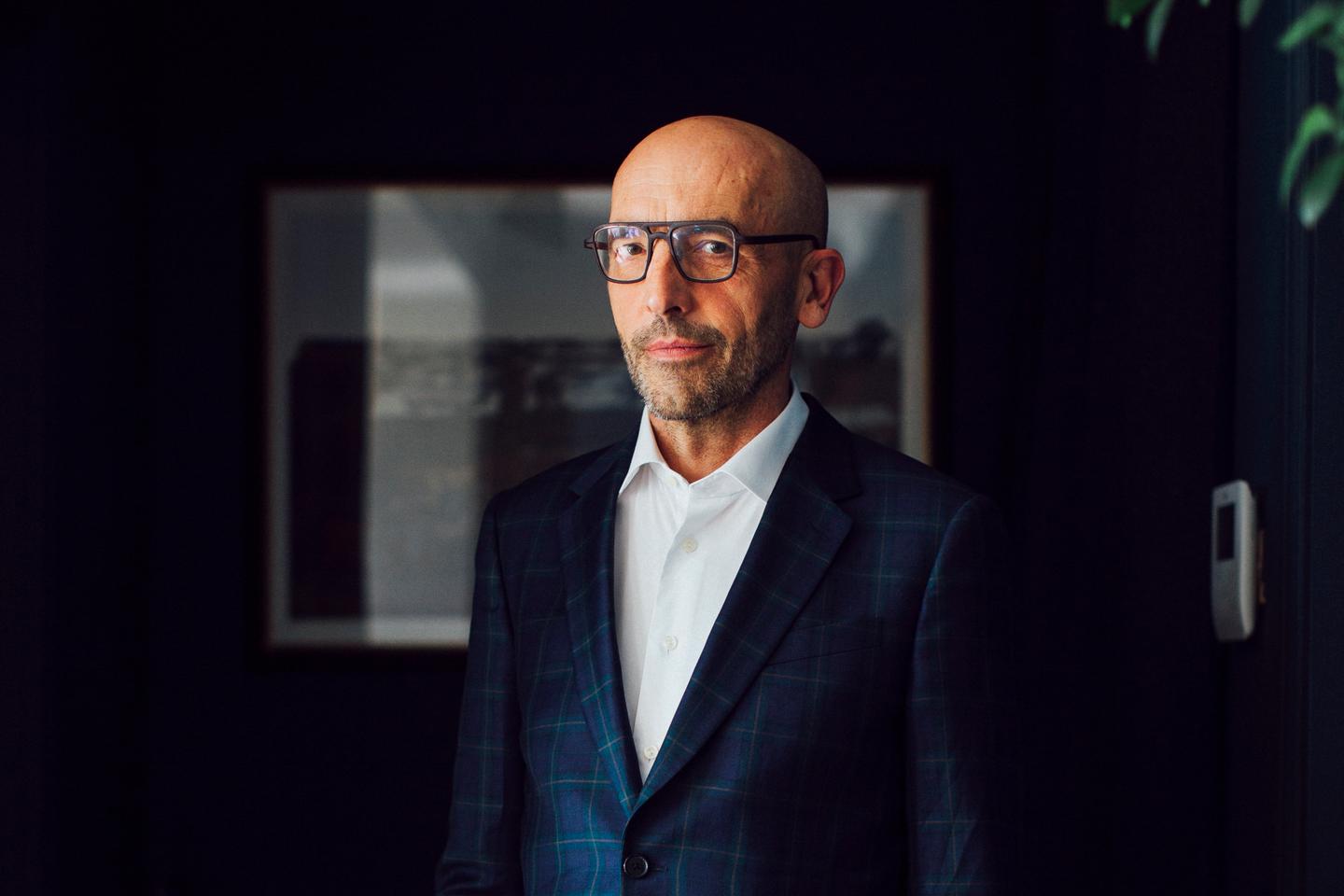
The Art of Shoulder Surgery: Insights from Dr. Philippe Collin
In the realm of **orthopedic surgery**, few specialists have garnered as much respect as **Dr. Philippe Collin**, an esteemed shoulder surgeon based in Paris. With nearly **25 years** of experience and over **20,000 shoulder surgeries** under his belt, Dr. Collin’s insights into the surgical process offer a unique perspective on both the **physical and psychological** aspects of surgery. His intriguing statement—“Surgery is the best placebo that exists”—invites deeper examination into the power of surgical interventions.
Understanding the Impact of Age on Surgical Decisions
The debate surrounding patient’s age as a factor in surgical eligibility can be contentious. Dr. Collin vehemently opposes the notion that **age** should restrict access to surgical options. He believes that denying surgery to older patients due to their age is not only illogical but also detrimental to their **quality of life**. Citing various studies, he reinforces that effective surgical outcomes can transcend age barriers. For instance, a pivotal **2013 study** showed that patients over **70 years** could experience significant benefits from **arthroscopic repairs** of rotator cuff injuries.
Moreover, he draws attention to a **2024 study** that revealed **functional gains** are often greater in patients aged over **70** than in those under **50**, despite differences in healing quality. This groundbreaking conclusion challenges the conventional wisdom surrounding age and surgery, amplifying Dr. Collin’s call for a more inclusive approach to surgical interventions.
Dr. Collin’s Professional Journey
Dr. Philippe Collin’s journey to becoming a leading authority in shoulder surgery is as compelling as his surgical expertise. Starting his career as a **nurse**, he transitioned into medicine with a passion for helping those in pain. This transition laid the foundation for his focus on the **shoulder**, an area of the body that often suffers from neglect in surgical settings.
With over **120 scientific publications** to his name, Dr. Collin is not just a surgeon; he is also a prolific contributor to the field of orthopedic research. His work, recognized by numerous **academic distinctions**, has made a significant impact on understanding shoulder **anatomy**, rehabilitation, and surgical techniques. Notably, he holds several **patents** for innovative shoulder prostheses, reflecting his commitment to advancing surgical practices.
The Psychological Aspects of Surgery
Dr. Collin’s declaration regarding surgery as a **placebo** raises questions about the psychological dimensions of surgical interventions. The term **placebo** often carries a negative connotation, suggesting ineffectiveness; however, his intent is to highlight surgery’s profound impact on patient **perception and expectation**. In many cases, the act of undergoing surgery can foster feelings of **hope** and **relief**, psychologically altering patients’ experiences of pain and limitation.
This psychological perspective is important as it emphasizes the need for healthcare providers to consider the **mental health** of patients alongside their physical ailments. By addressing fears, providing detailed explanations, and fostering a supportive atmosphere, surgeons can maximize the beneficial effects of their interventions. These emotional and mental layers of care form a critical part of Dr. Collin’s surgical philosophy.
Advocating for Patient-Centered Surgical Practices
Dr. Philippe Collin is a staunch advocate for **patient-centered care**. His commitment extends beyond merely performing successful surgeries; he aims to ensure that his patients are **fully informed** and actively involved in their treatment decisions. This includes discussions around the potential risks and benefits of procedures, as well as alternative treatment options.
He believes that educating patients empowers them, allowing for a more collaborative doctor-patient relationship. This model not only improves patient satisfaction but also positively influences surgical outcomes. **Communication**, therefore, becomes a cornerstone of his practice, promoting a culture of transparency and empathy in the operating room.
Conclusion
Dr. Philippe Collin embodies the intersection of **skill**, **innovation**, and **compassion** in the field of shoulder surgery. His extensive experience and research lend credibility to his principles, particularly regarding the inclusion of older patients in surgical discussions. By prioritizing patient education and openly discussing the psychological effects of surgery, Dr. Collin serves as a role model for practitioners within the medical community.
The evolving landscape of orthopedic surgery necessitates a commitment to **holistic patient care**, where both physical and emotional needs are addressed. Dr. Collin’s philosophy challenges traditional boundaries, promoting a more **inclusive** and **empathetic** approach to patient care in orthopedic surgery.