
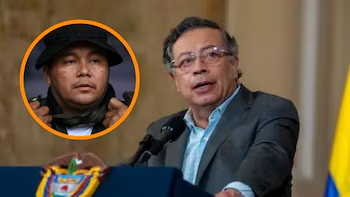
Gustavo Petro Denies Allegations of Links Between Army and Dissidents
Background of the Controversy
Colombian President Gustavo Petro has vehemently rejected claims linking his administration’s security forces to FARC dissidents. This controversy has gained significant media traction following reports suggesting possible infiltration of state intelligence by dissident groups. Petro characterized these accusations as politically motivated attempts to undermine his administration’s integrity and transparency, particularly aimed at General Juan Miguel Huertas and intelligence director Wílmer Mejía.
The Allegations and Their Source
Research by Caracol News uncovered files seized from FARC dissidents, hinting at potential ties between the National Intelligence Directorate (DNI) and senior government officials. In light of these findings, Petro defended his efforts against corruption, labeling the leaks as tactics meant to discredit those combating internal malfeasance.
Petro’s Defense
Petro took to social media to assert:
“The versions circulating about supposed intelligence reports are unfounded. The claims regarding Huertas and Wílmer are false.”
He suggested that such narratives are planted to derail progress in his administration and diminish the cooperation from individuals involved in exposing corruption within the ranks of security forces. Petro emphasized that these allegations were not merely baseless claims but rather efforts to inhibit the identification of corrupt individuals within the military.
Reaction to Illegal Activities
The president highlighted that during his tenure, significant progress was made in curbing illicit practices, including the halting of legal permits to criminal organizations, which were rampant under the previous government. He said:
“That’s why they react. There are billions of pesos of bribes that were stopped to prevent the state from facilitating paramilitarism.”
Advocacy for Transparency
Amidst this turmoil, Petro advocated for greater transparency in intelligence operations. He proposed that reports from intelligence agencies should be made public in a timely manner, allowing for greater accountability and reducing the potential for political manipulation.
Severing Corruption Links
Petro firmly stated the need to sever ties between military officers and police personnel to bolster integrity within the state’s security apparatus. He remarked:
“Counterintelligence is to detect them and not to make political use of the information.”
Highlighting opportunism behind the accusations, he called out those who have historically been implicated in corruption, urging for a full investigation into the accusations leveled against Huertas and Mejía.
Conclusion
President Gustavo Petro’s clear denial of allegations connecting his administration to FARC dissidents reflects a broader narrative of political maneuvering in Colombia. He stands firm on his commitment to fighting corruption and ensuring that intelligence agencies function transparently and responsibly. As the political landscape continues to unfold in Colombia, the implications of these allegations could reverberate through various levels of government, ultimately shaping the future of the nation’s security policies.