
Current Situation of Peruvians in the Middle East
The ambassador of Peru in Israel, Javier Martín Sánchez-Checa Salazar, provided crucial insights regarding the status of Peruvian nationals amidst escalating tensions in the Middle East. He outlined the communication channels activated for families seeking information about their loved ones potentially in conflict zones.
Embassy Jurisdiction and Communication Channels
It’s important to note that Peru does not maintain an embassy in Iran; instead, oversight of any citizens in the region falls under the jurisdiction of the Peruvian embassy in Türkiye. “The responsibility for the jurisdiction of that country lies with our embassy in Türkiye, which also has contact with them,” Sánchez-Checa elucidated in a recent TV Perú interview.
Assistance for Peruvians Abroad
As it stands, there are about 130 Peruvians in the affected areas, all of whom remain in contact with diplomatic representations. The ambassador expressed that if the situation worsens, coordinated actions will be taken to provide necessary assistance. “They are in contact and coordinating to offer help, as circumstances permit,” he affirmed.
Regional Network Activation
The Chancellery has activated a comprehensive regional network involving all Peruvian embassies across the Middle East and the Gulf. This ensures that citizens are monitored and registered, facilitating rapid response in case the situation escalates.
Safety and Emergency Protocols
The embassy has issued emergency phone numbers and email addresses to gather inquiries and assist Peruvians in the area. They aim to centralize information, confirm the locations of nationals, and activate consular support when necessary. “If someone in Peru has a family member in this region, they should not hesitate to contact us,” urged the ambassador.
Status of Community Members
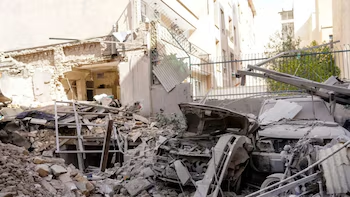
Peruvian citizens in Israel are mostly spread across cities like Tel Aviv, Jerusalem, Beer Sheva, and Ramle. The ambassador confirmed that recent incidents have had a direct impact in these regions, particularly in Beer Sheva, where two Peruvian households were affected by shock waves but are receiving governmental support.
Future Monitoring and Civil Protection
The embassy is closely monitoring the situation, especially for temporary visitors— ten Peruvians, including tourists and temporary workers, are awaiting the reopening of airports to leave Israel. Additionally, they are in contact with 23 resident workers, who are currently safe and have expressed no desire to leave.
Israel’s Defense Measures
A key point shared by the ambassador was Israel’s advanced defense system. The country’s emergency protocols engage alarms that alert residents in case of imminent threats, with nearly ninety-nine percent of launches being intercepted successfully. Many homes are equipped with “mamads”, domestic shelters designed for safety during conflicts, alongside public facilities available nearby in urban areas.