
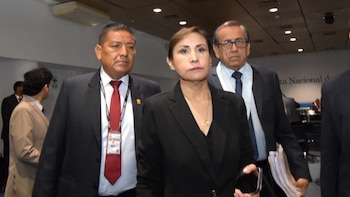
Patricia Benavides: A Controversial Legal Battle for Justice
The recent developments surrounding Patricia Benavides, the former Attorney General of Peru, have drawn widespread attention and sparked intense debate within the legal and political communities. The Judicial Power has enacted a suspension of Benavides for a period of 24 months, effectively preventing her from resuming her role as Attorney General, a position she was eager to reclaim. This decision came as a significant blow to her supporters and those who believe in her capabilities.
In the wake of this ruling, the *National Justice Council* ( JNJ ) has confirmed that they will execute her restitution as Attorney General. This announcement has raised eyebrows and questions about the integrity and processes within the judicial system. With a long legal journey ahead, many are asking what this means for the future of the legal framework in Peru and whether justice will truly be served.
The Role of the National Justice Council (JNJ)
The JNJ is tasked with ensuring the integrity of Peru’s judicial system. It was established to oversee the appointment and discipline of judges and prosecutors, aiming to promote judicial independence and effectiveness. The decision to suspend Benavides came amid accusations that her conduct while in office may have compromised the integrity of her role. Critics argue that this suspension is politically motivated, aimed at delegitimizing her efforts to combat corruption within the government.
Despite the controversies, the JNJ maintains that its actions have been guided by legal standards and practices. Legal experts have intricately analyzed these events, with many asserting that the implications of this case extend far beyond Benavides herself; they also influence public trust in the *judicial system* overall.
The Public’s Perspective: Division and Debate
Public opinion surrounding Benavides is deeply divided. Many voices in the community support her, praising her relentless pursuit of justice and her efforts to combat corruption, which she has identified as a disease within the government. However, others view her actions with skepticism, arguing that her tenure was rife with controversy and suggesting that her approach lacked the necessary impartiality.
The media has played a pivotal role in shaping this discourse, providing a platform for both supporters and detractors. In this era of rapid information dissemination, the narratives surrounding legal figures can shift dramatically, often leading to polarization among the electorate. One thing is clear: the public remains engaged and is following this saga closely.
Implications for the Future of Justice in Peru
As this legal battle unfolds, it marks a critical juncture for the Peruvian judicial system. Should Benavides succeed in reinstating her position through legal channels, it may set a significant precedent, demonstrating that judicial challenges can influence political obligations and lead to accountability. Conversely, if she fails, it could indicate broader systemic issues in which the judiciary is used as a tool for political gain.
Many uncertainties loom ahead. Will the JNJ’s decisions be reinforced by the judicial community, or will they face backlash that could result in further legal entanglements? Additionally, what role does the political landscape play in shaping these judicial outcomes? The answers to these questions will unfold over time, revealing much about the health of Peruvian democracy itself.
Conclusion
As the situation develops, all eyes remain on Patricia Benavides and the consequences of this landmark case. It poses vital questions about the future of justice in Peru, touching on fundamental issues of accountability, integrity, and the power of political influence. The implications of this case extend beyond just one individual; they resonate with anyone concerned about the efficacy of justice and governance. Regardless of the outcome, this chapter in Peru’s legal landscape will likely serve as a pivotal moment in the ongoing narrative of justice and political power in the nation.