
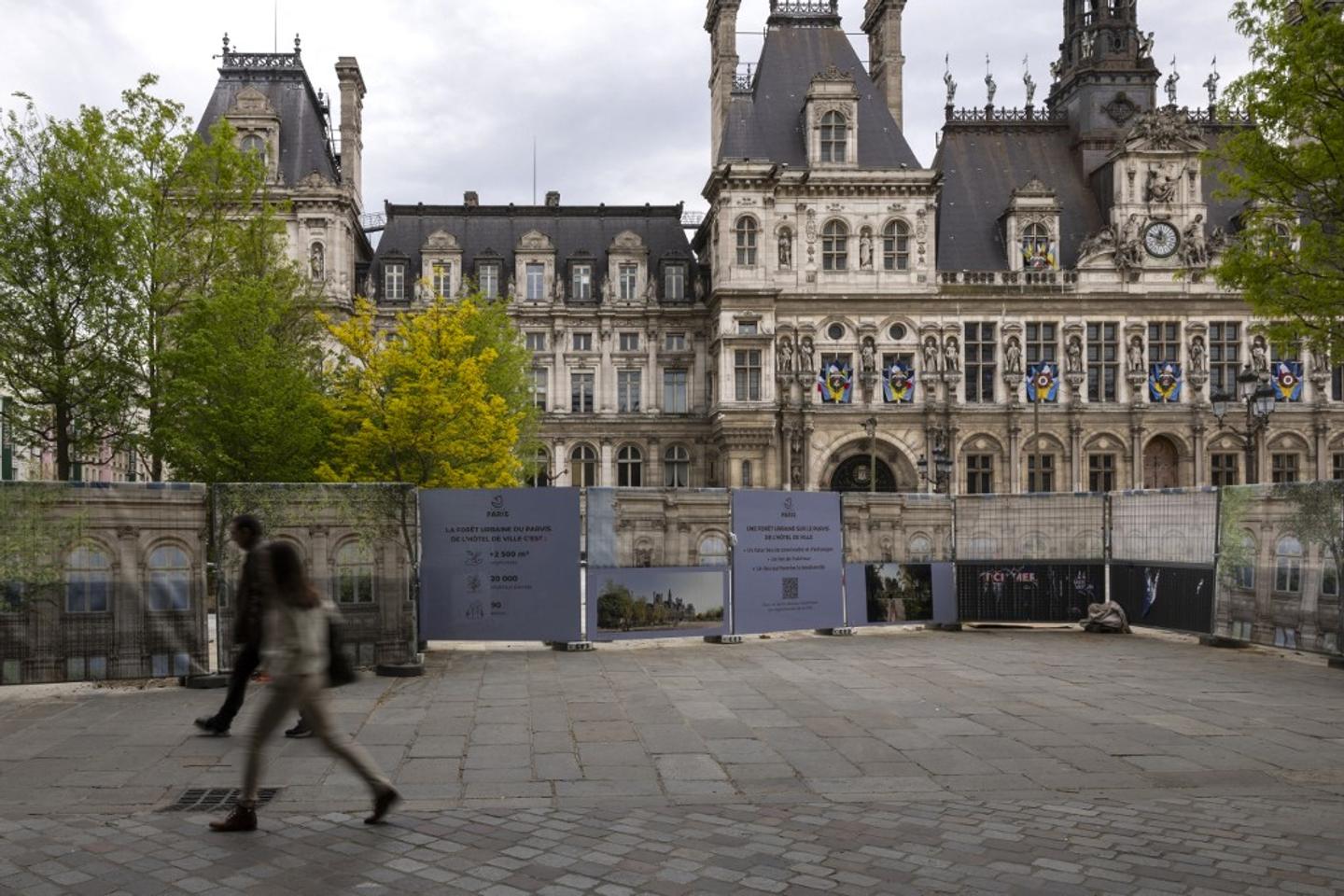
Paris: A Historical Overview
The rich history of **Paris** cannot be overstated. This city has been a front-line participant in numerous pivotal moments, from the heroic actions of **Etienne Marcel** to the iconic revolutions of **1789, 1848, and 1871**. Throughout these historical epochs, the people of Paris have continually advocated for universal principles such as **freedom, equality,** and **fraternity**. The city has consistently reshaped its identity in line with these vital ideals.
The Struggle Against Oppression
Over the centuries, Parisians have united to defend **human rights** against monarchical and authoritarian regimes that sought to suppress them. This collective mobilization became an essential part of the city’s legacy. The sacrifices made during these tumultuous times laid the groundwork for the **republican ideals** we cherish today. However, this glorious past also brings a bittersweet remembrance. The fear of rekindling such movements in the future has led the State to impose certain restrictions on Paris, undermining the city’s intrinsic spirit of **emancipation**.
State Governance and Municipal Autonomy
For more than a century, **Paris** was under strict **state administration** until **Jacques Chirac** was elected mayor in **1977**. Unlike mayors in other regions of **France**, Chirac did not possess similar legislative powers. The reluctance of state officials to grant autonomy to the capital is paradoxical, as public opinion generally agrees that **Paris** could benefit from more independence. Instead, the city finds itself under a **heavy state guardian** system that stifles its potential for self-governance.
The question arises as to why this dichotomy exists. Why is **Paris**, a city so pivotal to the cultural and political landscape of France, treated with such skepticism? The fear of a repeat of historical uprisings seems to overshadow the potential for constructive progress. Residents are often bewildered by the limitations placed on them despite their genuine commitment to the city’s welfare.
Modern Paris: Striving for Autonomy
In the contemporary landscape, many citizens are actively advocating for **greater autonomy** for **Paris**. Activists and local leaders argue that the city can thrive if granted the **freedom to govern** itself more effectively. With an increase in **urban issues** such as housing shortages and social inequalities, a more autonomous governance model could lead to innovative solutions tailored to the unique needs of the city’s population.
Furthermore, greater autonomy could empower local governance to address pressing issues such as **climate change**, public transit, and education. These are significant challenges that require decisive action and local insight, which can often be lost amidst the bureaucratic layers imposed by the state.
The Future of Paris and Citizen Participation
Ultimately, the future of **Paris** hinges on its citizens’ ability to actively participate in the **democratic process**. Public discourse around governance is necessary to articulate the needs and aspirations of the local populace. Engaging the citizenry ensures that their voices are heard and that their experiences shape policies that affect them directly.
Through grassroots movements, cultural initiatives, and civic engagement, the people of **Paris** can reclaim their right to govern their city. This potential for transformation stands as a testament to the enduring spirit of the city—a spirit that has weathered the storms of history and remains vibrant even today. As **Paris** continues to evolve, its citizens remain at the forefront of its narrative, advocating for a city that honors its past while facing the future head-on.