
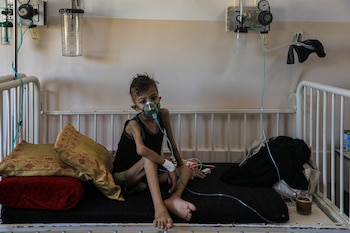
Health Crisis in Gaza Amid Ongoing Military Offensive
The Gaza Strip is experiencing an unprecedented health crisis exacerbated by an ongoing military offensive from Israel. The non-governmental organization Oxfam Intermón has issued urgent warnings that diseases are “razing” the region amidst severe restrictions on humanitarian aid. Following the attacks on October 7, 2023, the coalition of health and humanitarian professionals asserts that the situation is rapidly deteriorating.
Surging Diseases and Health Risks
Recent reports from Oxfam indicate disturbing statistics about waterborne diseases in Gaza. The organization reveals that these illnesses, which are preventable and easily treatable, have surged nearly 150% in the last few months. Alarmingly, cases of bloody diarrhea have seen a staggering 302% increase, while instances of acute jaundice have risen by 101%. This spike in health crises is concerning given the circumstances under which more than two million Palestinians are living.
However, Oxfam cautions that these figures may not fully encapsulate the dire reality on the ground. Many health centers in Gaza are non-operational due to the constant bombardments. This limits the ability of individuals to access essential health services, making it increasingly difficult to manage and treat rising disease rates. The Israeli military campaign has created conditions that eradicate basic human needs, permitting a catastrophic public health situation to develop.
The Blockade’s Impact on Aid Delivery
The blockade imposed by Israeli authorities has severely hindered any humanitarian efforts in Gaza. Since early March 2023, there has been almost a total blockade, preventing essential supplies from reaching those in need. Oxfam reports that more than 420,000 aid pallets are currently stranded in stores across the region. These supplies include food, shelter, vital medications, and other essentials to combat rampant malnutrition and disease.
Bushra Jalidi, an Oxfam member specializing in Israeli-Palestinian affairs, states that such measures imposed by the military create a breeding ground for diseases. In her words, “These diseases proliferate where people lack water, whether drinkable or not, and live trapped in unhealthy and overpopulated environments.” This highlights the direct relationship between the blockade and the health crisis in the region.
The Humanitarian Call for Action
As the crisis deepens, Bushra Jalidi emphasizes the urgency of addressing these conditions. “Every day that the siege continues, the famine extends more, and human deaths from preventable diseases become a certainty,” she stated. The overall humanitarian imperative has grown increasingly desperate. She insists on the necessity of immediate access for humanitarian aid to relieve the situation in Gaza.
It’s shameful, Jalidi argues, that such dire circumstances have been allowed to persist. She calls for a total ceasefire and unrestricted access to Gaza, stressing that “the Palestinians cannot wait one more day for this hell.” Without immediate action, the cycle of violence, disease, and hunger will perpetuate, leading to further tragedy and suffering.
Proposed Solutions and Immediate Needs
To mitigate the health crisis, Oxfam advocates for large-scale humanitarian aid and effective coordination between international organizations and local authorities. This must include not only basic necessities like food and water but also the necessary medical supplies to combat diseases and support the health care system.
The Israeli government has faced mounting international pressure to cease its military actions and allow aid into Gaza. Activists argue that ongoing violence and restrictions on humanitarian assistance are fundamentally undermining the very principles of human rights and dignity.
Oxfam’s call for action is simple but powerful: access must be granted for aid delivery, and the cycle of conflict must be halted. With increasing casualties from hunger and preventable diseases, the stakes have never been higher in the quest for peace and humanitarian support.
As international actors and organizations work to address the immediate needs of the people in Gaza, the situation calls for a coordinated effort from all sides to ensure that humanitarian aid is delivered swiftly and adequately. The people of Gaza deserve the chance for recovery and rebuilding under conditions of peace and security. Ensuring that basic human rights are respected is not just a moral obligation but a crucial step towards achieving lasting stability in the region.