
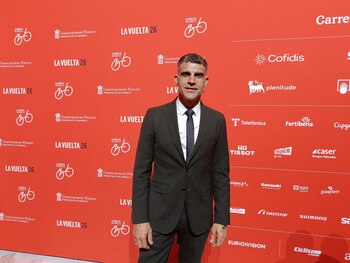
The High Stakes of La Vuelta 2026: Insights from Óscar Pereiro
Route Design and Its Implications
La Vuelta 2026 promises to be one of the most challenging in its history, thanks to a finely crafted route characterized by demanding mountainous terrains and harsh weather conditions. As revealed by former professional cyclist Óscar Pereiro, now an ambassador for the event, the courses between Granada and the Valencian Community will test the limits of all participants. The organization aims to keep the general classification competitive until the race’s climax, emphasizing that “no one who has a bad day will win this Vuelta.”
A Test of Endurance
The race will feature no transition days, leading to a stringent format that requires constant high performance from riders. Starting in Monaco, the initial stages will thrust competitors directly into mountainous challenges, such as those at Font Romeu and Andorra. According to Pereiro, riders who experience even a slight setback will be significantly disadvantaged, reinforcing the idea that consistent performance is crucial for success.
Challenges Ahead
The design of the 2026 edition includes multiple mountain stages engineered to maximize physical demands. Pereiro notes that although he faced significant challenges in the northern mountain ranges during his career, the southern routes introduce new hurdles, particularly due to high temperatures. The absence of recovery opportunities means that traditional strategies, such as energy conservation, might not hold in the upcoming edition.
Increasing the Competitive Level
The choice of locations aims to internationalize La Vuelta, attracting elite cyclists from diverse backgrounds. This expansion is set to elevate the race’s competitive standard, allowing outstanding riders to shine. Pereiro acknowledges that this strategic repositioning raises La Vuelta’s stature, making it increasingly relevant in the professional cycling circuit.
Climatic Challenges: Heat vs. Cold
With the shift away from northern terrains—known for their cold and wet conditions—La Vuelta is now facing challenges posed by persistent heat. Pereiro believes that this change alters the competitive landscape and elevates the race’s overall difficulty.
Strategic Implications for Teams
The absence of recovery segments requires teams to rethink their strategies extensively. As the 2026 edition demands sustained high effort with little room for error, the ability to adapt will prove essential for the main contenders. Pereiro, now retired, expresses his keen interest in watching how athletes navigate these extreme conditions.
The Future of La Vuelta
To wrap up, the strategic design and climatic considerations for La Vuelta 2026 collectively aim to consolidate its status as a hallmark of international sport. With stringent demands placed on cyclists, this edition is poised to be a significant milestone, not just in terms of calendar relevance but also in participant toughness. As Pereiro aptly notes, the race will be unrelenting, setting the stage for a remarkable cycling saga.