
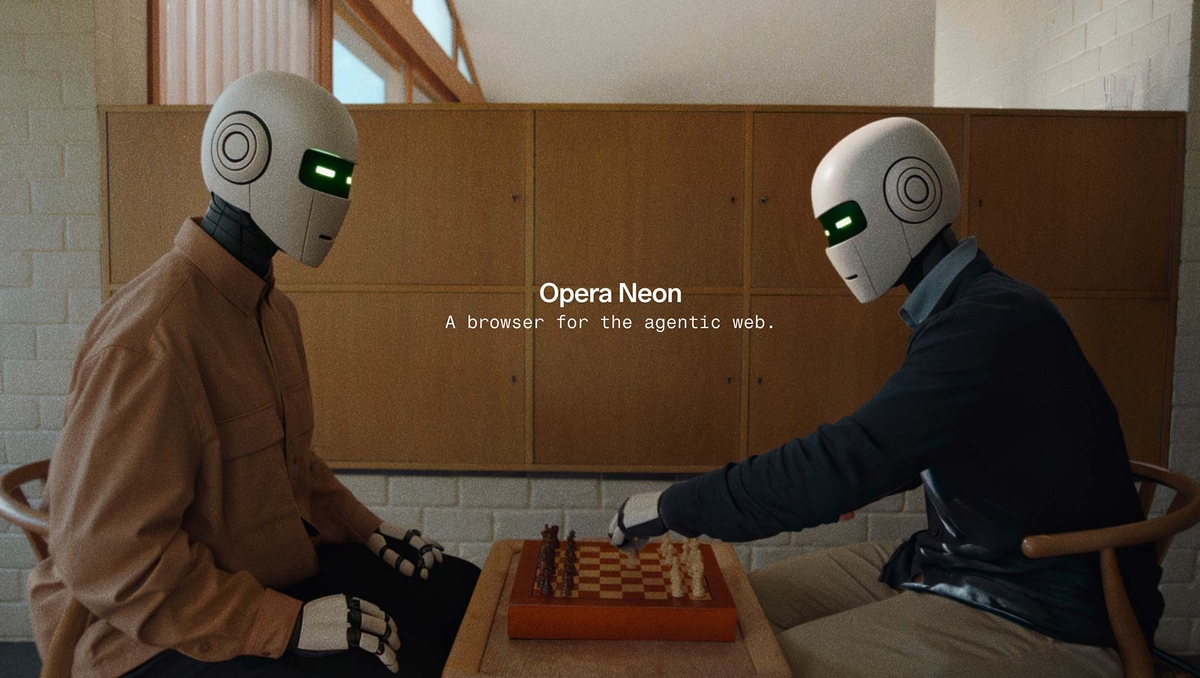
The Future of Browsing: Introduction to Opera Neon
In recent weeks, the tech world has been buzzing about Opera Neon, a groundbreaking new browser that integrates cutting-edge AI features. This innovative tool is positioned not just as another browser but as a collaborative partner that can enhance and simplify our online experiences.
Revolutionizing Web Navigation
Opera Neon sets itself apart from conventional browsers by introducing three primary functionalities: Chat, Do, and Make. Each of these elements is designed to empower users through automation and AI interaction, making everyday tasks easier and more efficient.
Chat: Your In-Browser AI Assistant
The Chat functionality integrates a conversation agent directly into the browsing experience. This AI assistant can perform web searches, provide contextual information related to open pages, and even assist in drafting content. Leveraging Opera’s proprietary AI engine, it analyzes the context of web pages to deliver relevant insights, enabling a richer and more interactive experience.
The potential applications of this feature are immense. For example, users could receive tailored recommendations based on their browsing habits or instant assistance for quick questions without needing to navigate away from their current tasks.
Do: Automating Repetitive Tasks
Opera Neon also boasts impressive capabilities for automating repetitive web tasks. The Do feature allows users to perform actions such as automatically filling out forms, booking hotels, or completing online shopping without manual input. This functionality emphasizes user privacy, as operations occur locally within the browser, safeguarding sensitive data like browsing history and personal information.
By employing a sophisticated analysis of the DOM (Document Object Model) rather than traditional methods, this automation is faster and more efficient, making it a game-changer for users tired of tedious tasks.
Make: Empowering Creativity and Projects
Perhaps the most exciting aspect of Opera Neon is the Make feature, which serves as a complete AI engine capable of translating creative ideas into reality. Users can request the browser to create anything from a simple game to a fully-fledged website. This capability operates within a cloud-hosted virtual machine, allowing the AI to continue its work even if users log off.
This functionality isn’t merely about doing tasks; it’s about facilitating creativity. For instance, if a user wants to design a project, the AI can break the request into smaller, manageable tasks and assign them to various AI agents. As these agents work on their individual parts, they can overcome hurdles, learn, and even correct errors autonomously.
The Concept Behind Opera Neon
Opera Neon isn’t the first venture into innovative browsing. It recalls the 2017 conceptual browser of the same name, which introduced elements now standard in modern browsers, like sidebar integrations and media viewers. This resurgence signifies a more robust commitment to innovating the browsing experience and adapting to users’ needs.
The unique name reflects the intention behind the project: to pave the way for future agent-driven browsing experiences, solidifying Opera’s position in a competitive tech landscape that includes tech giants like Google and Microsoft.
Closing Thoughts
Opera Neon represents a new era in web browsing, leveraging AI not just as a utility but as a partner. For those interested, a premium subscription will grant early access, allowing users to explore these functionalities first-hand.
In a landscape increasingly dominated by AI, Opera Neon is a bold move that invites all users to rethink how they engage with the web, promising a more interactive, efficient, and enjoyable browsing experience.
L’interface très épurée d’Opera Neo fait davantage penser à un chatbot qu’à un navigateur web traditionnel. © Opera Neon