
You receive a notification on your mobile device. It’s not from your calendar or email; it’s from ChatGPT, introducing a new feature named Pulse . According to OpenAI, Pulse aims to “investigate proactively,” offering a personalized summary of your day through thematic cards that can be quickly views or expanded for more details. This innovative tool helps you bypass waiting for answers, allowing you to think ahead with ideas and next steps based on your past chats and feedback. Moreover, if you choose to connect it with apps like your calendar, Pulse provides a streamlined morning briefing that aligns with your routine before the day begins.
Pulse is designed as an additional feature within the ChatGPT mobile app, currently available only to Pro Plan subscribers. While it doesn’t replace the traditional model of answering queries on demand, it adds a new dimension to the user experience. OpenAI is taking strides toward creating an assistant that is proactive, aiming to support users even before they formally present their questions.
From a Chatbot to a Proactive Assistant
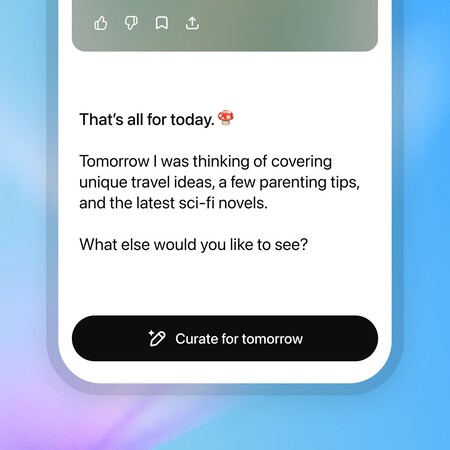
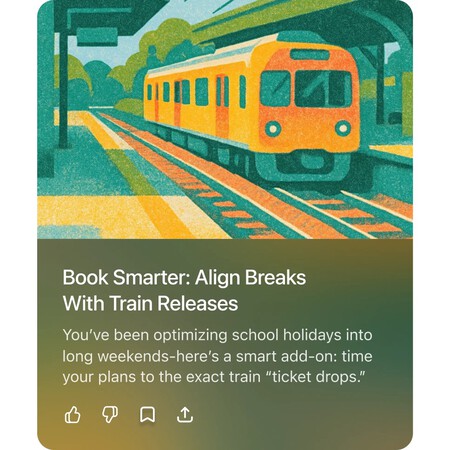
Every night, Pulse analyzes previous interactions to curate a set of cards containing relevant information. In the morning, users can browse these cards in the app, providing a quick daily summary or the option to delve deeper into specific topics. Each card contains content that expires by the end of the day unless saved in chat history. Users can also interact with these cards by requesting further clarifications or next steps, making the experience interactive rather than just a passive reading exercise.
Personalization is a key element, achieved through simple user feedback such as thumbs up or down. Users can request specific topics for their next summary or adjust content that isn’t useful. Pulse compiles this feedback and incorporates it into nighttime updates. Notably, all adjustment histories are accessible and can be reversed whenever desired. To ensure safety and reliability, all sets of cards undergo safety checks to block any problematic or inappropriate suggestions.
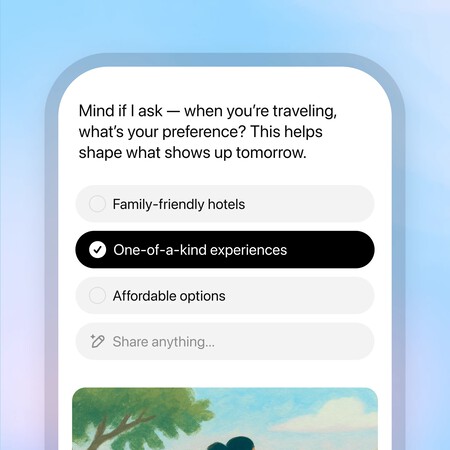
</div>One unique feature of Pulse is its integration with Gmail and Google Calendar . This allows it to draft an agenda for meetings, remind you of important dates like purchasing birthday gifts, or suggest local restaurants based on upcoming travel plans. By default, these integrations are turned off and can be managed through the settings, providing users with control over their personal information. OpenAI emphasizes that these connections enhance the relevance of suggestions, although they also expand the amount of personal data the assistant can access.
The types of suggestions range from dinner prep tips to travel reminders or even fitness training for a triathlon. Users at the ChatGPT Lab noted that the utility of Pulse became apparent when they provided specific guidance. For example, one student received practical strategies for optimizing train travel while organizing a calendar for Taiwan—something they wouldn’t have considered independently. Such feedback plays a crucial role in refining Pulse’s final design.
</div>OpenAI stresses that all content presented in Pulse is subject to security controls to avoid potential harm or violations of platform guidelines. However, cybersecurity experts caution that risks can never be entirely eliminated. For instance, Radware documented an incident where an altered email compromised ChatGPT’s data privacy features. Though this issue has since been fixed, it highlights the risks that come with integrating personal data into such systems.
Currently, Pulse is in a viewing phase, available exclusively to those with a Pro subscription on the mobile app. OpenAI warns that inaccuracies could arise, and users may encounter reminders related to completed projects or suggestions that lack relevance. The goal is to gather feedback for improvements before gradually expanding access to Plus subscribers and ultimately to all users.
</div>This launch aligns with OpenAI’s broader strategy of evolving ChatGPT from a reactive tool into a daily assistant . By providing users with tailored daily briefings , the company aims to enhance user engagement and foster a more personalized relationship with the application. This move distinguishes OpenAI from competitors like Microsoft’s Copilot and Anthropic’s Claude, which have primarily focused on professional use-cases. According to reports, OpenAI is also working on an AI browser, reinforcing its commitment to accompany users in various aspects of their digital lives.
Access to Pulse is granted directly through the ChatGPT mobile application for Pro Plan subscribers. Each morning users receive cards summarizing their information, which can be quickly browsed or expanded for more details. Essential controls allow users to mark what is useful or not, adjust specific topics for future briefings, clear their preference history, or change notification settings—all manageable via the configuration menu, where the feature can be deactivated at any time.
<img alt="A new generation of robots promises precision and efficiency. It also opens the door to cyber risks " width="375" height="142" src="https://i.blogs.es/26d055/robots-hackers-portada/375_142.jpeg"/>With Pulse, OpenAI is taking a significant step toward an assistant model that not only responds but also proactively suggests. The potential lies in the immediacy of its card system and its capability to guide users in making decisions or managing daily projects. The current version is still in preview mode, with known errors, and its functionalities are limited. The challenge remains whether OpenAI can strike a balance between maintaining utility and safeguarding user privacy as they navigate the complexities of personal data integration, all while earning user trust.