
Revolutionizing User Experience: OpenAI’s New Application Integration in ChatGPT
The next time you ask ChatGPT to help you curate a playlist for your birthday, you might be surprised by the new functionality it offers. Not only can it assist in recommending songs, but it may even directly integrate with Spotify . By simply linking your account, ChatGPT could add the playlist to your Spotify profile with just a single click.
This feature extends beyond Spotify. OpenAI is ready to transform the way we engage with applications, making it easier and more intuitive.
Led by Sam Altman, OpenAI has announced a significant update that permits users to operate applications directly from the chat window itself. This interaction occurs within a natural language interface, eliminating the need to switch tabs or leave the chat environment. Additionally, certain functionalities incorporate small visual interfaces tailored for an enhanced user experience.
A New Era of Application Integration
A selection of applications to kick things off. To enable this integration, developers must incorporate the OpenAI SDK and comply with a set of guidelines aiming to ensure a safe experience for users. While the project is still in its infancy, and the SDK is currently in a preliminary phase, OpenAI has chosen seven companies to demonstrate how this integration will operate:
- Booking.com
- Canva
- Coursera
- Figma
- Expedia
- Spotify
- Zillow
Interacting with Apps Within ChatGPT
So, how can users engage with these integrated applications? There are primarily two methods. The first is straightforward: if a user knows which applications are compatible, they can simply mention them directly. The second method is more automated; ChatGPT might suggest linking an app to facilitate the task at hand. While this feature offers a seamless experience, it could feel somewhat intrusive for certain users.
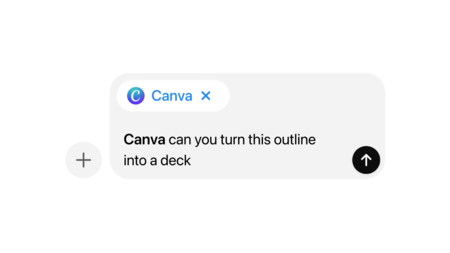
For example, if a user has linked their Canva account, they might write, “Canva, can you turn this sketch into a presentation?” Canva would then create multiple presentation versions based on the input. Similarly, with Expedia , a user can request assistance in finding hotels: “Look for hotels in Chicago with a king bed for less than $250 a night,” allowing the app to handle all the logistics effortlessly.
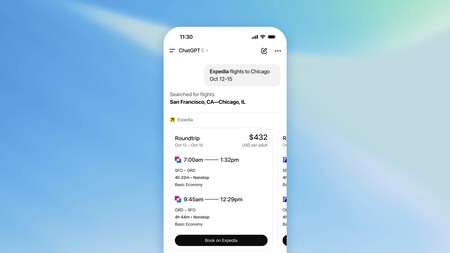
This innovative generation of applications seamlessly merges interactive components—like maps, lists, or presentations—with the fluidity of conversational interaction.
Limitations and Regulations
However, there are limitations. Currently, the integration has clear boundaries: only a handful of apps are supported, and functionality is limited to English-speaking users. Moreover, it is not yet available in the European Union . Although OpenAI has not elaborated on the reasons, it appears that privacy regulations commonly delay the rollout of new AI features in the region. The company assures users that efforts are underway to make this available “soon” in the EU.
Security and privacy also remain a priority. When utilizing these integrated applications, users are bound by both OpenAI’s terms and those of each linked service. OpenAI has urged developers to provide clear privacy policies , collect only necessary data, and maintain transparency regarding requested permissions.

The company promises “more granular” privacy settings, which will enable users to dictate specific categories of data that each application can access for tailored results. In today’s data-driven world, this commitment to user privacy is vital and ensures users remain in control of their personal information .
The data business is dynamic. In the contemporary digital landscape, user data is often considered the new gold . The appetite for user information is stronger than ever, from segmented advertising to the rise of artificial intelligence. Therefore, reviewing the privacy policies of applications we engage with has become crucial, helping users understand how their data is collected and processed.
In conclusion, OpenAI’s new application integration within ChatGPT marks a significant advancement in user interactivity and accessibility. By allowing users to seamlessly engage with various apps directly through chat, it simplifies processes and enhances the overall experience. This innovative approach not only promises efficiency but also maintains a significant focus on user privacy and security, ensuring a positive evolution in AI-utilized applications.