
The Importance of Urban Green Spaces for Youth Development
Urban green spaces are essential for the health and well-being of children and adolescents. Despite almost 72% of children aged 10 to 16 living in large cities having a park or green area within six minutes of their home, they seldom take advantage of these spaces. The paradox is troubling; children are spending more time indoors, engaged in activities like homework (66%), using screens (54%), and watching movies or series (66%). A mere 11% of children visit a natural environment daily. Why are young people neglecting these essential spaces?
The Impact of Digital Distractions
The prevalence of digital distractions is one reason behind this trend. With the rising integration of technology in daily life, many youths prefer to stay at home and engage with digital devices instead of exploring nature. Only 40% of adolescents participate in sports or extracurricular activities, while the rest remain glued to their screens. It seems alarming that in an age where screen time is ubiquitous, young people are losing touch with the natural world.
Marco Garrido-Cumbrera, a professor at the University of Seville, describes this issue: “Something is failing in childhood. A trip to Eurodisney may be a classic, but teenagers are not visiting the park beside their home.” His study highlights the direct impact of outdoor activity on physical and psychological wellness through free play, socialization, and exposure to less polluted environments. These elements are fundamental for healthy development.
The Socioeconomic Divide
The recent study, which involved 1,610 children from cities like Barcelona, Madrid, and València, underscores that access to green spaces is highly influenced by socioeconomic status. Children from lower socioeconomic backgrounds visit urban parks less frequently than their affluent peers. This gap highlights significant social inequalities in accessing essential resources for mental and physical growth.
“Children in lower socioeconomic classes may feel less empowered to explore their communities, which exacerbates existing disparities in health and education outcomes,” Garrido-Cumbrera adds. He stresses the necessity for society, including families and educators, to recognize and address this imbalance.
Creating Time for Outdoor Play
One primary concern is the overwhelming pressure on children to excel academically. Many students are bogged down with homework every afternoon and face parental expectations regarding extracurricular commitments. Garrido-Cumbrera argues, “We are depriving children of their childhood. We are not offering them a full life.” As parents and educational institutions become increasingly focused on academic performance, the need for outdoor engagement becomes an afterthought.
He advocates for a balanced approach. Schools should facilitate excursions to natural spaces, while families should reconsider the burden of excessive extracurricular activities. The aim should be to allow children more opportunities for unstructured play outside.
Understanding Sedentary Lifestyle
The responsibility does not solely rest with the families. Many adults grapple with hectic work schedules that leave little room for leisure activities like visiting a local park. The fatigue from a long workday often results in families gravitating toward sedentary activities at home. According to statistics, 17% of girls and 11% of boys aged 5 to 14 lead nearly entirely sedentary lifestyles. Furthermore, children aged 8 to 16 spend nearly five hours connected to devices during weekends.
This sedentary behavior can have detrimental effects on both mental and physical health, making it imperative for families and society to work together to combat it. Encouraging healthy lifestyle choices involves fostering environments where children feel safe and motivated to explore the outdoors.
Revising Our Perception of Outdoor Time
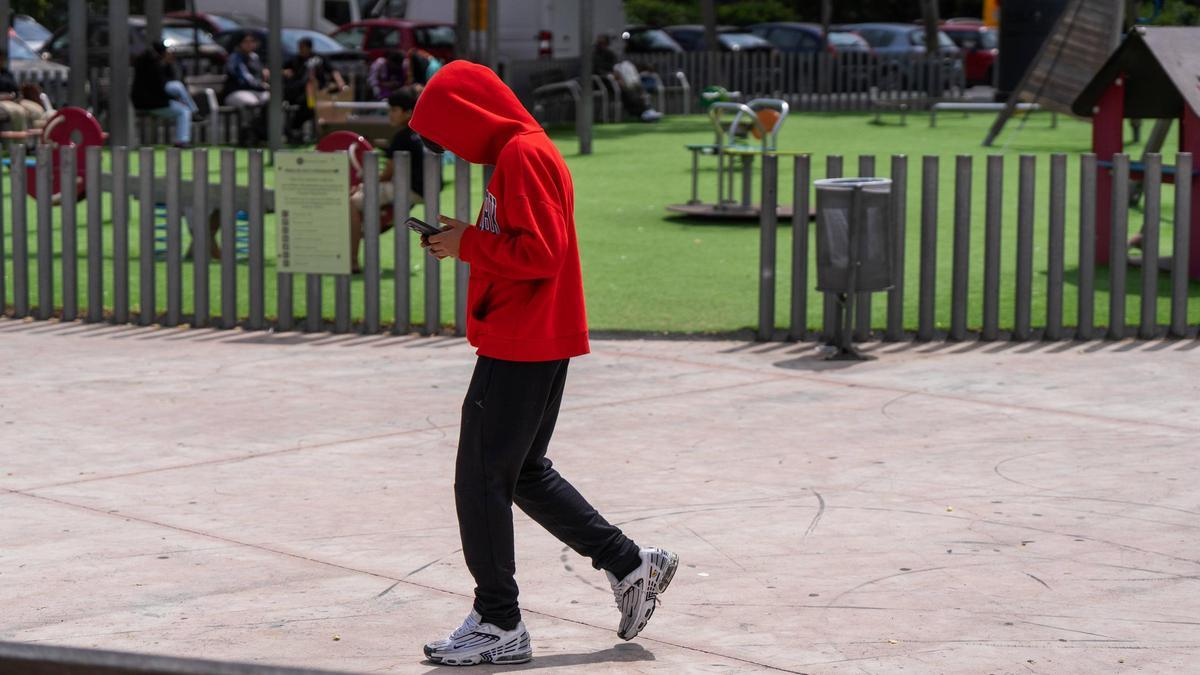
Even when children do visit parks, many remain distracted by their devices. The report reveals that children use these spaces mainly to spend time with friends (58%), walk or run (52%), and sometimes play sports (44%). However, for true mental wellness, interaction with nature should not be overshadowed by digital devices.
A noteworthy finding from the study indicates that 11% of children visit parks daily, while 37% visit once or twice a week. Alarmingly, 6% of children indicated they never access green spaces, particularly those from lower socioeconomic backgrounds or unsafe neighborhoods. It’s crucial to address these disparities, ensuring that every child has the opportunity to engage with their natural surroundings.
Conclusion: Rebuilding Connections with Nature
It’s evident that societal changes are required to reverse this trend. By prioritizing green spaces and outdoor activities over excessive screen time and academic pressures, we can foster a generation that is not only better connected to nature but also more resilient and healthy. Re-evaluating our choices regarding education, recreation, and family time could significantly alter the landscape for today’s youth, creating a brighter, more balanced future.