
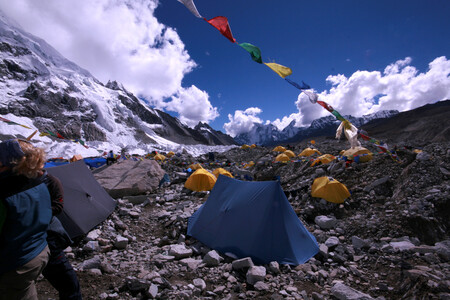
The Dangers of Climbing Everest: A Recent Snowstorm Strands Hundreds
As we continue to touristify natural wonders, the majestic Mount Everest remains a reminder that it is not merely a destination, but a formidable mountain with dangers that can arise unexpectedly. Despite being significantly busier than during the era of Edmund Hillary and Tenzing Norgay, the pioneers who first summited in 1953, Everest should not be mistaken for a simple tourist attraction. Recent events on the slopes of this giant reaffirm its unpredictable nature.
In a dramatic incident that unfolded recently, hundreds of mountaineers found themselves stranded due to an unexpected snowstorm, showcasing the inherent risks of climbing the world’s highest peak.
What Happened?
Reports indicate that a severe snowstorm caught climbers off-guard, with many not only expecting snow but also the intensity of the ensuing storm. As one affected climber stated, “The weather this year is not normal.” This unforeseen snow compels us to think critically about the mountain beyond its allure— as a dangerous environment plagued by extreme climatic variations.
Where Did It Happen?
The chaos primarily unfolded on the eastern slope of Everest, where the blizzard trapped an estimated 1,000 climbers in the TINGRI region. The storm started with heavy snowfall on a Friday evening and persisted through Saturday, leading to chaotic rescue efforts.
Chinese media indicated that over 500 individuals were trapped, further highlighting the dangers climbers face even during peak seasons.
How Are They Now?
Latest reports suggest that rescuers successfully guided 350 individuals to safety, with additional efforts to establish contact with over 200 more climbers still awaiting rescue. Local villagers and rescue teams have been tirelessly working to clear access routes buried under over 4,900 meters of snow. While many climbers were rescued from the Tibetan side, uncertainty remains regarding the fate of those on Everest’s northern slope.
How Strong Was It?
Survivors painted a harrowing picture of the conditions. One climber recounted waking up to find nearly one meter of snow already accumulated. “We are all experienced hikers, but this blizzard was extremely difficult,” he lamented, emphasizing that even seasoned climbers were taken by surprise.
Another climber shared a terrifying account of trying to keep their tents intact amid relentless snowfall. Slackened sleep and constant snow removal were vital to prevent their shelters from collapsing. Despite the precautions, the severe conditions led to several cases of hypothermia among the climbers.
The Meteorological Context
The sudden storm can largely be attributed to meteorological anomalies affecting the region. Heavy rains and landslides in southern Tibet, particularly in Nepal, led to significant casualties—a grim reminder of nature’s unpredictability. Reports suggest over 52 deaths as a result of the ongoing weather crisis in Nepal, amplifying concerns for climbers on Everest.
Compounding the issue is the fact that Golden Week in China coincided with this disaster. This holiday period typically sees an influx of domestic climbers eager to seize the opportunity to trek. With exceptional snowfall this year, the convergence of these factors led to an unusually crowded Everest.
Why It Matters
The events on Everest highlight a growing concern regarding tourist saturation in the Himalayas. Experts have long warned about the implications of excessive foot traffic on these mountainous regions. Estimates suggest that tens of thousands visit the Sagarmatha National Park annually, resulting in about 20 tons of waste left behind each year. Authorities are considering drastic measures like mandating climbers to carry bags for collecting waste, a stark reminder of the alarming situation at Everest.
The Problem of Massification
Indeed, the issue of overcrowding on Everest became evident in May 2019, when pictures captured a literal human traffic jam of climbers attempting to summit simultaneously. In 2023, 656 successful ascents were recorded, yet this figure pales compared to pre-pandemic statistics.
Despite its increasing popularity, Everest remains a harsh environment that demands respect and preparation from its climbers. Natural events like the recent snowstorm are stark reminders that even the most prepared and motivated can find themselves at the mercy of the mountain’s unpredictable nature.
There is a pressing need for responsible tourism and awareness of the mountain’s ongoing challenges as we boast about climbing the world’s highest peak. The recent crisis serves as a wake-up call that Everest is still a wild frontier, one that beckons adventurers while simultaneously reminding them of their vulnerability amid its immense beauty and peril.