

World Trafficking Day: A Call to Action Against Human Trafficking
On July 30 , the International Organization for Migration (IOM) in Colombia commemorated World Trafficking Day by releasing a set of seven essential tips designed to combat a crime that affects millions globally, severely violating human rights .
The IOM, a United Nations agency specializing in migration, emphasizes a call to collective action against human trafficking. This crime involves the uptake , transfer , or retention of individuals for exploitative purposes , regardless of their geographical location.
Now you can follow us in Facebook and in our WhatsApp Channel
According to the organization, anyone can fall victim to trafficking , regardless of age , gender , nationality , or educational level . The “Your Life Changes” campaign aims to empower communities and provide practical tools for detecting, preventing, and reporting human trafficking.
Fernando Medina, Chief of Mission of IOM Colombia, underscores that human trafficking often begins with an alluring promise . He warns, “If something seems too good or urgent , stop and think to avoid putting your freedom at risk.” Medina also highlights that regular migration is one of the most effective means to combat trafficking networks.
The IOM is calling upon governments , social organizations , the private sector , media , and the general society to disseminate these recommendations and strengthen community support networks.

Seven Essential Tips to Combat Human Trafficking
Here are seven key recommendations from the IOM:
- Do not deliver personal documents to unreliable sources: Retain control of your identification and passports ; surrendering them can lead to loss of freedom.
- Distrust offers that seem too good to be true: Investigate proposals promising high income with minimal effort; many victims are lured by false job offers.
- Avoid suspicious loans: Do not accept loans under unclear conditions; debts can be a form of control.
- Be alert to unusual interview settings: Interviews in unsafe locations or requiring revealing attire are warning signs.
- Protect minors: Communicate openly with young individuals about their social networks and relationships, as 50% of minor victims are trafficked through digital avenues like social media.
- Share information with family and friends: Before accepting opportunities, inform others about your employer or school to reduce risk.
- Report any suspicious behavior: Be proactive—if you see something alarming, report it to authorities, such as line 018000-522020 in Colombia.
For over 25 years , the IOM has supported Colombian authorities and civil society in preventing and addressing trafficking. Their comprehensive care process begins with early detection , coordinated through the Anti-Trafficking Operating Center (COAT) and local relief committees.

Victims receive immediate assistance, which encompasses shelter , medical care , legal advice , and psychosocial support . The recovery process includes job training , community networks, and access to mental health services, promoting autonomy and resilience.
Between 2024 and 2025, the IOM identified and assisted 459 victims of trafficking in Colombia. Notably, sexual exploitation was the largest reported category, accounting for 77.5% , followed by forced labor at 12.3% , and servile marriage at 3.7% . Furthermore, 58% of these victims were Colombian, while 42% were foreigners, primarily from Venezuela and Ecuador .
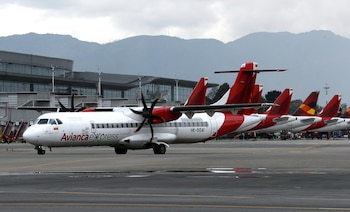
Felipe Gómez, Vice President of Public Affairs and Sustainability for Avianca, spoke with Infobae Colombia about this hidden violence affecting countless individuals globally. He asserts that raising awareness among travelers is essential for identifying potential victims.
“A victim of this crime can be next to any passenger; they can use any airport or airplane. Our goal is to provide visibility to this crime so that travelers understand its dynamics, identifiable signs , and know when and how to report,” Gómez stated.
The airline’s strategy involves detailing reporting pathways and *recognizing warning signs of trafficking, making these resources available to passengers and staff alike.
Despite the positive actions taken by Avianca and other airlines, Gómez acknowledges the need for improvement.
“First, we demand more information and visibility . Second, increased coordination among airlines, airport authorities, police, and NGOs is essential for better combating these ruthless criminals,” he emphasized.
As the fight against human trafficking continues, the commitment of organizations like the IOM combined with public awareness can significantly reduce the impact of this heinous crime. Collective action remains vital to safeguarding the rights and freedoms of all individuals.