
The Socialists Vote for New Leadership: A Political Analysis
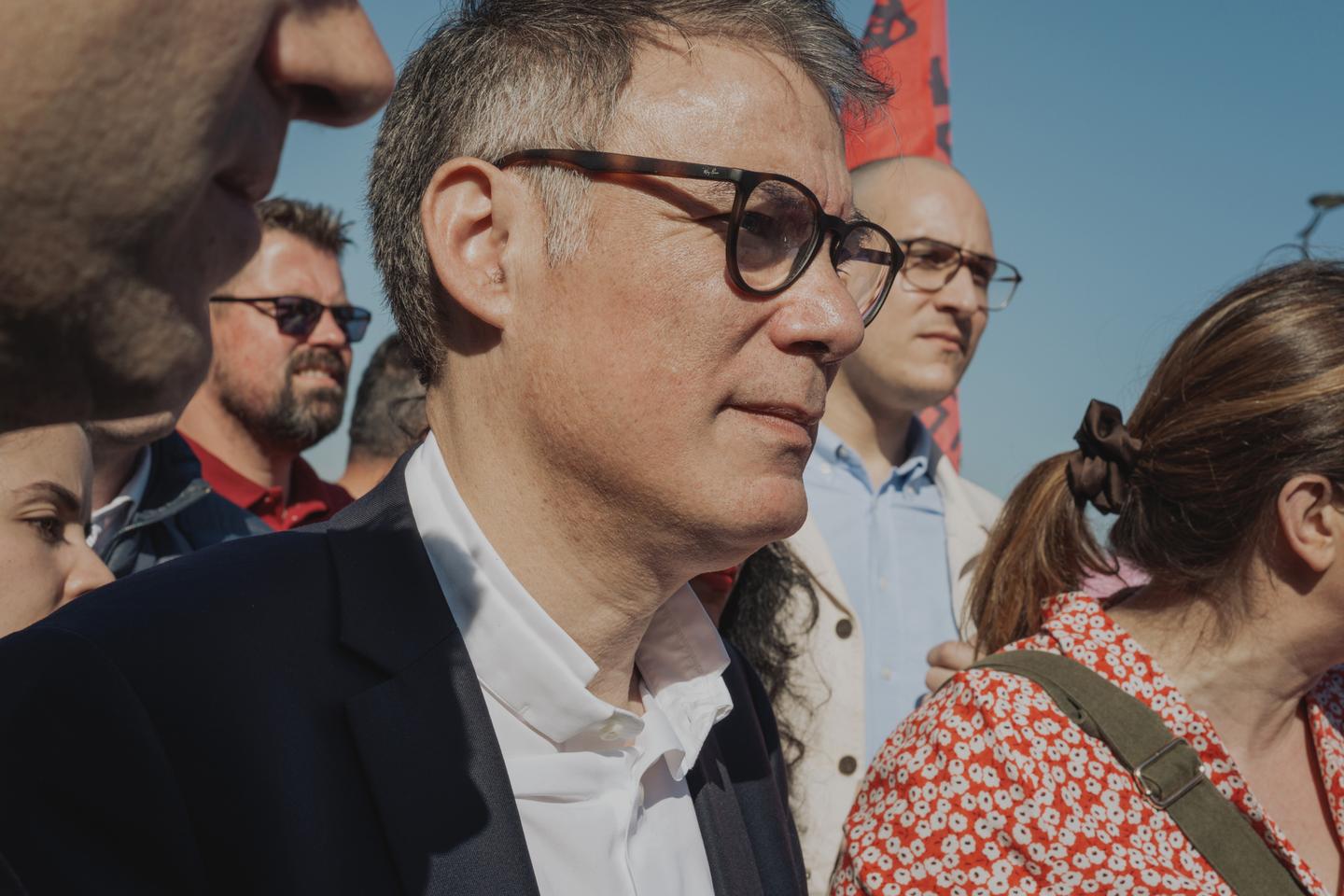
The Socialist Party in France finds itself at a critical juncture as members gather to vote for a new first secretary. This election, which has seen significant participation, underscores the complexities within the party and reflects the broader political dynamics in the country.
Current Voting Landscape
On May 27, 2025, the Socialist Party members cast their votes to decide between the outgoing first secretary Olivier Faure and his challengers Nicolas Mayer-Rossignol, the mayor of Rouen, and Boris Vallaud, head of the parliamentary socialist group. In preliminary results, Faure leads with close to 42%, with Mayer-Rossignol closely trailing at around 40%. However, Mayer-Rossignol’s camp reports a tighter race, indicating 41% to 41% with each candidate’s supporters expressing optimism despite the razor-thin margin.
This election has significant ramifications as it will shape the future strategy of the Socialist Party leading up to the crucial 2027 presidential elections.
Voter Engagement
Approximately 40,000 members were eligible to participate in this pivotal vote, with 23,000 turning out during the designated hours. This turnout reflects a vital engagement from party members as they aim to articulate a clear strategic direction for the party. Faure’s team estimates that he leads Mayer-Rossignol by about 500 votes, whereas Mayer-Rossignol’s supporters claim the difference is minimal.
The enthusiasm around this electoral process reflects a revival in interest among party members after years of political challenges and electoral losses.
A Divided Party?
The current tension within the party is palpable, with factions expressing differing visions for the future. Faure advocates for a united left without the influence of Jean-Luc Mélenchon, arguing that past divisions have weakened their position against the rising far-right. In contrast, Mayer-Rossignol calls for a "grand Socialist Party", integrating various factions both inside and outside its traditional base.
Faure’s leadership since 2018 has propelled him into a controversy that now questions the legitimacy and the fairness of the voting process. With accusations of irregularities from previous congresses haunting the party, close attention will be paid to ensure transparency in the electoral process.
The Role of Boris Vallaud
Boris Vallaud, although positioned third in the preliminary voting, may play a pivotal role in deciding the future of the party. He has proposed concepts aimed at a more unified strategy, emphasizing reconciliation over division. There’s speculation that he could be a kingmaker in the second round, leveraging his moderate stance to gain influence regardless of who emerges victorious.
Diverging Paths Ahead
As the Socialist Party heads into a second round of voting on June 5, party members are increasingly aware that the stakes are high. The debates heatedly center around the roadmap towards 2027, with differing opinions on alliances with other left-wing groups.
Faure emphasizes unity against the far-right but faces criticisms of "clan-like management" from Mayer-Rossignol’s camp. The narrative is deepening around what the future Socialist Party stands for and how effectively it can harness collective strength to emerge as a serious contender in upcoming elections.
External Reactions
The broader left is closely monitoring this intra-party election, highlighting how the outcome may signal the direction of future collaborations. Figures such as Marine Tondelier, leading the Ecologists, are highlighting the importance of a Faure victory, while others within the left see opportunities in Mayer-Rossignol’s potential leadership.
Conclusion
This electoral cycle represents both a chance for renewal and a confrontation with historical baggage. Whichever candidate secures leadership will have to navigate through a labyrinth of party dynamics and public expectations. As the race heats up, the Socialist Party stands at a crossroads, where internal unity and leadership will dictate their strategies leading into the next legislative battles.
The implications of the upcoming decisions will resonate beyond the party, affecting the political landscape of France as they tilt towards the critical elections of 2027.
In a world increasingly defined by political polarization, the Socialist Party’s ability to unify its base may well define its relevance in the near future.