
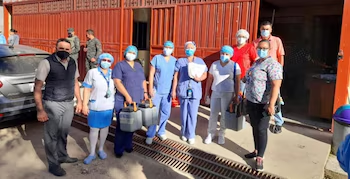
Ongoing Work Stoppage in Honduras
The paralysis of public hospitals in Honduras is presenting a critical challenge for the incoming government, tasked with addressing a health system beleaguered by months of unpaid wages and deteriorated working conditions. This situation has escalated to a work stoppage by healthcare professionals, intensifying the urgency for concrete responses from the state.
Current State of Healthcare Services
In recent weeks, union actions have intensified, with national reference hospitals limiting their operations to emergency care and critically ill patients. This is particularly alarming considering that more than 50% of Hondurans live in poverty or near-poverty, making alternative healthcare options largely inaccessible. As healthcare workers protest, the concerns of millions who depend on public healthcare grow increasingly dire.
Reasons Behind the Work Stoppage
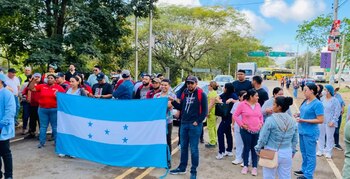
The root cause of the current crisis stems from wage delays, with nurses waiting for salaries for up to six months and doctors for eight months. Additionally, numerous pending bonus payments and unfulfilled contracts have exacerbated the frustration within the healthcare system. A spokesperson during the protests stated emphatically: “We don’t declare a sit-down for nothing. The nurses owe six months and the doctors eight.”
Systemic Issues Contributing to the Crisis
This lack of liquidity is symptomatic of chronic problems plaguing the healthcare system, which include insufficient medical supplies, poorly maintained facilities, and an overwhelming workload for existing staff. The situation reflects not only ongoing material deficiencies but also the historical mismanagement by successive administrations, leading to this critical state of affairs.
The Role of the Former Government
The previous administration under Xiomara Castro witnessed considerable unrest in the health sector, with numerous protests and failed negotiations. The departure of the Minister of Health, Carla Paredes, just twenty days after the transition of government, highlighted many of the issues for which no concrete solutions had been proposed. Allegations of administrative irregularities and questions about the management of resources remain unresolved.
The Need for Action
Despite the former Minister Paredes attempting to quell unrest by expressing regret for the situation and emphasizing her commitment to transparency, the unions have made it clear that apologies do not replace the need for compliance with salary agreements and essential reforms. The frustration continues as previous dialogues have yielded little tangible progress.
Conclusion: A Call for Resolution
Healthcare professionals maintain that their grievances are not directed against the public but are a legitimate demand for respect for their labor. They emphasize, “It is not a protest against the people, it is a protest so that our work is respected.” As the new government assumes office, the need for urgent dialogue and concrete responses has never been more crucial for restoring stability and trust within the healthcare system in Honduras.