
The Controversial Club World Cup: An Event Marked by Criticism
The recent Club World Cup has drawn significant attention and not all of it has been positive. Within the span of nearly a month, the tournament faced multiple criticisms from various stakeholders, raising questions about its organization and overall appeal. From poor playing conditions to scheduling issues, the tournament’s execution has been under heavy scrutiny.
One of the most significant criticisms revolves around the organizational choices made by the American organizers. Players and coaches alike have taken issue with several aspects of the event, including the timing of matches, which have been deemed unattractive for European audiences. Many games were scheduled during inconvenient hours, making it difficult for fans to engage with the tournament, especially in Europe, where football enjoys a massive following.
The absence of enthusiastic crowds further compounded the issue. The venues lacked the vibrant atmosphere typically associated with major football tournaments, leaving players feeling like they were playing in front of ghostly stands. The lack of public engagement has raised questions about the attractiveness and viability of hosting such an event in the U.S., a country still trying to embrace football in its competitive landscape.
Niko Kovač’s Critique of the Metlife Stadium
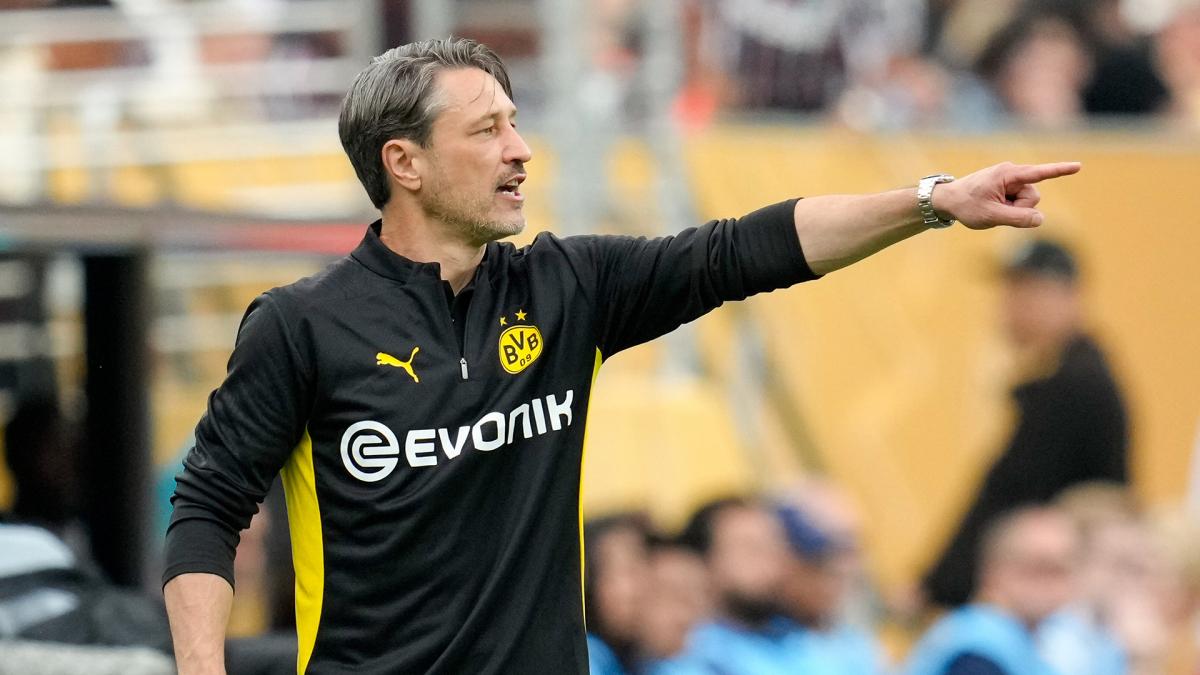
Adding fuel to the fire, Niko Kovač, the coach of Borussia Dortmund, openly criticized the condition of the pitch at the Metlife Stadium, located near New York. The state of the playing surface has been called into question, and Kovač did not hold back in voicing his concerns.
He described the pitch as more akin to a “golf green” than a professional football field. In his post-match remarks, Kovač stated, “It is rather a golf green, so we can putt here. It’s very short. But this is not the lawn on which we are used to playing in the Bundesliga or in the other two stadiums. As you saw, watering was not enough because you don’t have the necessary devices. When it’s too dry, it’s incredible. It sticks.” His comments reflect a growing frustration among players about the lack of attention given to critical aspects of the event, such as the condition of the playing surface.
Kovač’s remarks come at a pivotal time, as the field at the Metlife Stadium is set to host highly anticipated matches, including a clash between Real Madrid and PSG this Wednesday. With such high-stakes games on the line, the condition of the pitch raises serious concerns about player safety and performance quality.
Financial Implications of the Club World Cup
Another layer to the ongoing critique is the financial viability of the tournament. Major football clubs have expressed concerns about the return on investment for participating in a competition that might fail to attract viewer interest. The monetary stakes are significant, and when organizations allocate resources—travel costs, time commitments, and player welfare—it raises the question of whether the tournament is worth the investment.
Moreover, with many clubs feeling that the tournament didn’t meet expectations, the question arises—will they be willing to return for future editions? The financial landscape of football is changing rapidly, and clubs are increasingly prioritizing their participation in competitions that guarantee both visibility and profitability. The Club World Cup, in its current format, may not fit this mold.
The Future of the Club World Cup
In light of the recent criticisms, the future of the Club World Cup is uncertain. Organizers need to address the issues raised by coaches and players to rejuvenate interest in this competition. The need for improved conditions and careful scheduling cannot be overstated. As football continues to grow globally, ensuring a quality experience for both clubs and fans will be critical.
The tournament must adapt to the changing landscape of global football, particularly if it hopes to gain the support of the major clubs who have so far been noncommittal about future participation. Reforming how the tournament is organized and marketed may be essential to its longevity.
As the football world looks forward to more competitions, stakeholders will be closely monitoring the lessons learned from this year’s Club World Cup. It remains to be seen how organizers will respond to the criticisms and whether they will implement the necessary changes to revitalize one of football’s traditional highlights.
In conclusion, the Club World Cup has faced a torrent of criticism this year that highlights significant flaws in organization, execution, and pitch conditions. The criticisms voiced by figures like Niko Kovač underscore the urgency for change. The future of this tournament depends largely on the actions taken to address these concerns, ensuring that the quality of football and the fan experience do not suffer in the process.