
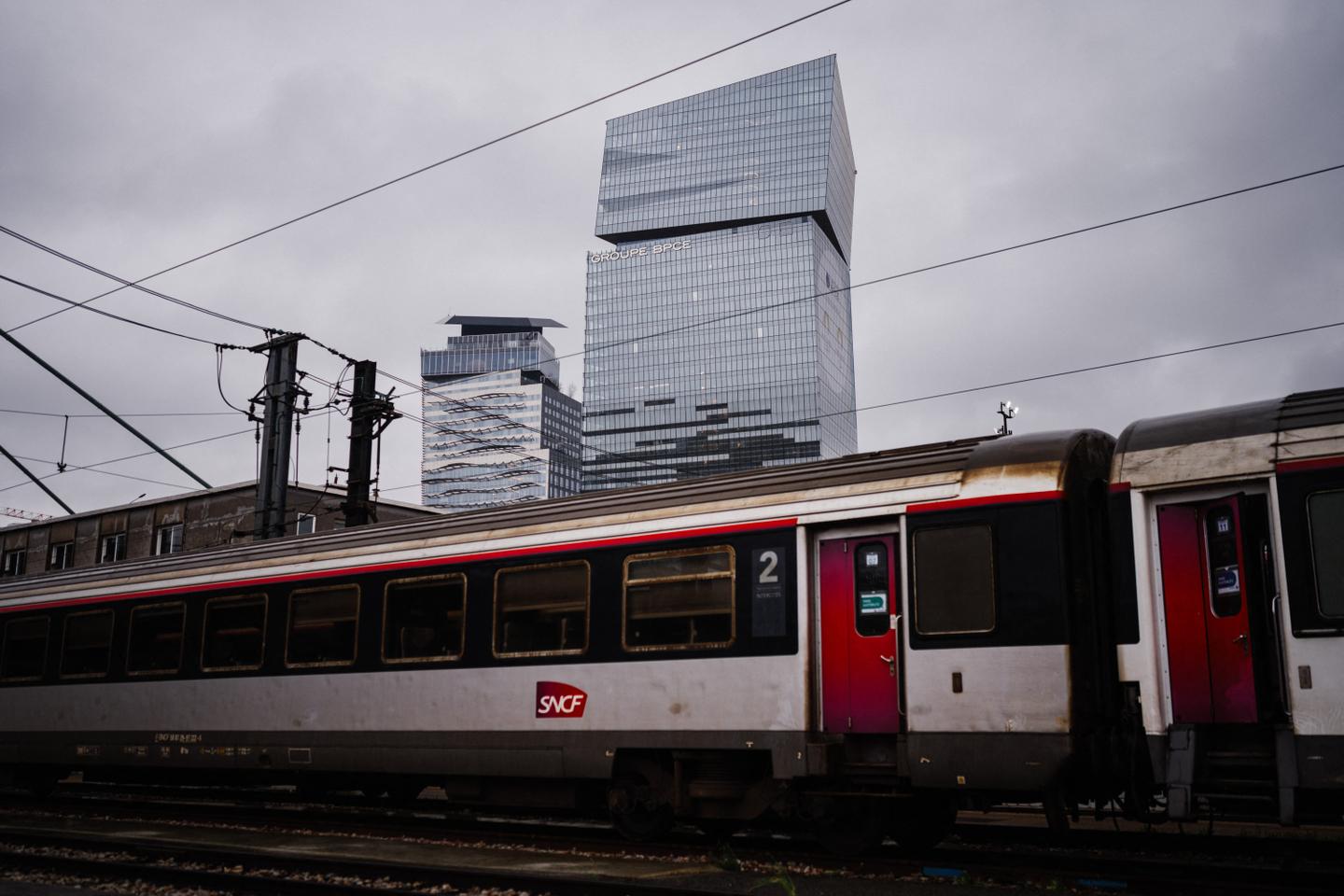
The Revival of Night Trains in France: A Sustainable Future?
In recent years, the transportation landscape in France has undergone significant changes, particularly concerning the resurgence of night trains. Once thought to be a relic of the past, these modes of transportation are experiencing a renaissance, driven by sustainable mobility needs and evolving travel preferences. With numerous advantages, night trains offer a unique solution to the challenges of modern travel.
The Historical Context
Night trains have been a vital part of European rail history, serving as a convenient means of long-distance travel. Up until the 1980s, they were the preferred mode for many travelers seeking to traverse the continent overnight. However, as budget airlines and faster train alternatives emerged, night trains began to decline significantly. Fast forward to 2020, the outlook was grim, with services facing the threat of elimination. What changed?
The Turning Point: 2020 Rescues
In 2020, a collective effort began to save night trains from extinction. The French government, alongside various non-governmental organizations, recognized their importance for both environmental sustainability and comprehensive transportation networks. This initiative led to the revival of night train services, focusing on serving routes that are often overlooked by high-speed trains or low-cost airlines.
Growing Popularity: A Shift in Travel Preferences
Current statistics reveal an emerging trend: over a million passengers boarded night trains in 2024. According to the Réseau Action Climat (RAC), this figure signifies an encouraging revival, especially compared to the stark contrast with the 130 million passengers who favored TGVs that same year. While the numbers might seem modest in comparison, it highlights a significant shift in consumer behavior.
The reduction in available night train services means that the remaining ones, like the Paris-Toulouse line, are now reaping the benefits of higher occupancy rates, averaging 76% overall. On this particular route, the rate soared to 86%, demonstrating an increased interest in this eco-friendly travel option.
Overcoming Operational Challenges
Night trains are not without their challenges. Issues such as operational delays, cancellations, and limited service offerings have marred their reputation. Many travelers express frustration about the unpredictability associated with these journeys. However, the RAC argues that despite these hurdles, night trains remain a viable alternative to longer flights and contribute profoundly to reducing carbon footprints.
Environmental Benefits
One of the key advantages of night trains is their lower environmental impact. Rail travel is inherently more sustainable than flying, emitting significantly less CO2 per passenger. The RAC’s advocacy stresses that enhancing night train services aligns with Europe’s climate goals. Promoting such modes of transport directly contributes to decreasing reliance on cars and planes, both notorious for their environmental harm.
Future Prospects: A Strategic Plan
Looking ahead, the future of night trains in France seems promising but requires strategic planning. The RAC suggests investing in infrastructure, increasing service frequency, and expanding route options. By doing so, night trains can position themselves as not just a nostalgic choice but a practical and sustainable travel option.
Moreover, fostering partnerships among international rail operators could help create a network, allowing seamless cross-border travel. This will be crucial for rejuvenating the experience of overnight travel across Europe, enticing a broader demographic of travelers.
Cultural and Social Implications
Night trains serve a cultural purpose too; they symbolize a way of traveling that transcends mere transportation. For many, the experience of waking up to new landscapes is unparalleled, offering a sense of adventure akin to taking a scenic journey. Furthermore, reestablishing night trains enhances social equity by providing an accessible means of travel for individuals in various economic brackets.
Conclusion
In summary, the revival of night trains in France is more than just a transportation trend; it signifies a necessary shift toward sustainable travel solutions. As Réseau Action Climat continues to advocate for this mode of transport, the future looks bright. Night trains can positively impact mobility, cultural exchange, and environmental stewardship.
Night trains may well become the backbone of a renewed focus on sustainable transport as travelers seek eco-friendly options. The excitement surrounds their potential role in shaping the future of travel in France.

Promis à une disparition certaine, sauvés in extremis en 2020, les trains de nuit joueront-ils demain un rôle plus important dans la mobilité en France? L’organisation non gouvernementale Réseau Action Climat (RAC) entend démontrer que ce moyen de transport – qui fut majeur jusqu’aux années 1980 – est tout à fait adapté aux enjeux de mobilité actuels et futurs. Malgré les problèmes opérationnels, les retards, les annulations et l’offre famélique, plus d’un million de voyageurs ont pris un train de nuit en 2024 en France, note le RAC dans une étude publiée mardi 27 mai, dans laquelle sont compilées les données issues des comités de suivi de chacune de ces lignes.
Un million de voyageurs, c’est peu par rapport aux TGV, qui en ont transporté 130 millions la même année. Mais, note le RAC, le nombre de voyageurs est revenu au niveau des années 2014-2015, une période où il y avait trois fois plus de voitures de nuit à la disposition de la SNCF et de l’Etat, autorité organisatrice de ces trains dits d’« équilibre du territoire » (TET). Plus de voyageurs dans des trains moins nombreux signifie que ces derniers sont mieux remplis. « Le taux d’occupation des trains de nuit atteint désormais 76 % en moyenne, et jusqu’à 86 % sur Paris-Toulouse, la ligne la plus fréquentée », écrivent les auteurs du rapport.
Il vous reste 72.24% de cet article à lire. La suite est réservée aux abonnés.