
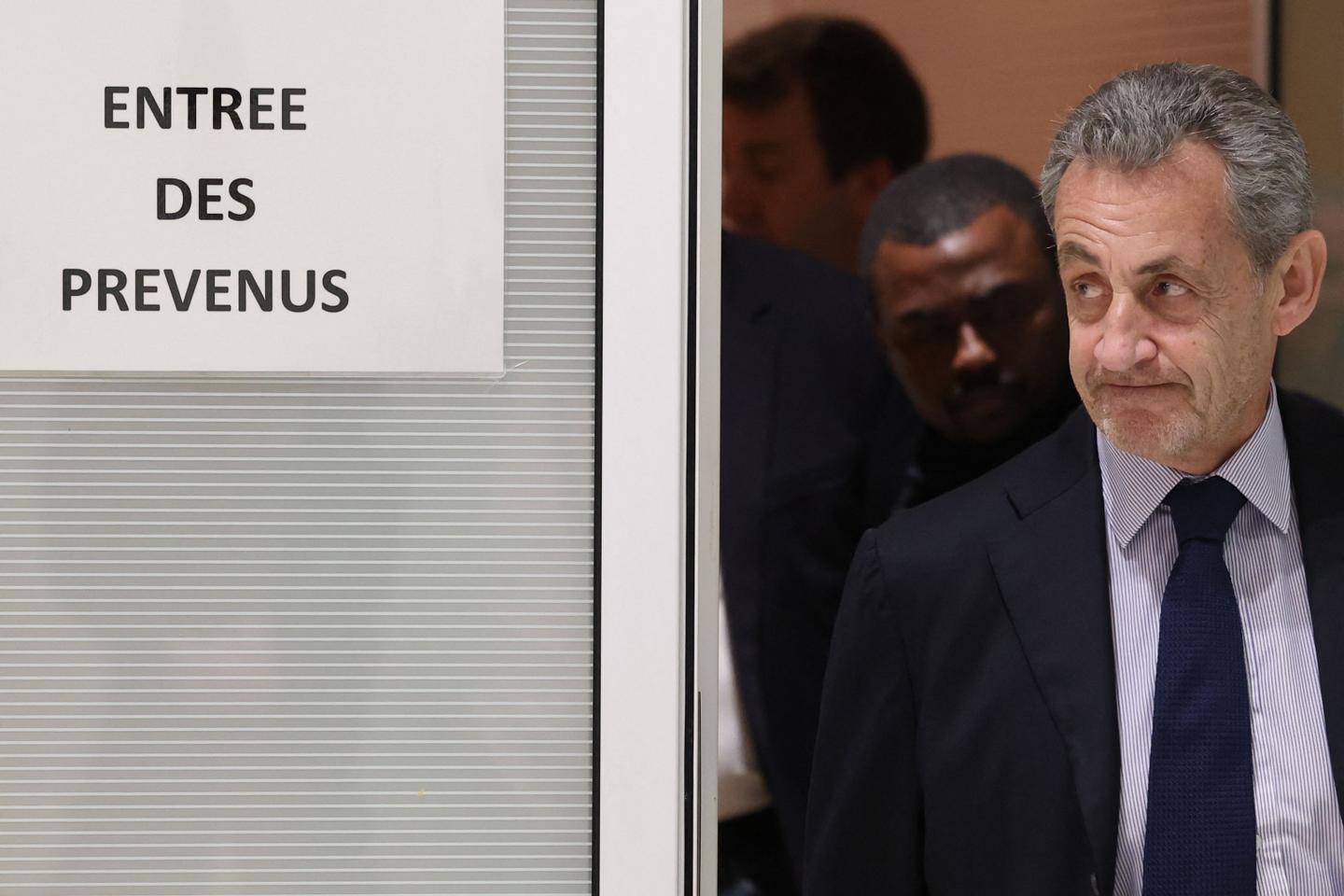
Nicolas Sarkozy’s Release: A New Chapter in French Political History
In the ever-evolving landscape of French politics, the latest developments involving Nicolas Sarkozy have captured significant media attention. On May 14th, 2025, the former President of France made headlines once again when he was officially released from the electronic surveillance program, confirming reports from the Paris prosecutor’s office that were disseminated by the France-Presse agency (AFP).
Background on Sarkozy’s Legal Troubles
Nicolas Sarkozy, who served as the President of France from 2007 to 2012, has been embroiled in various legal issues over the past several years. His most notable case involves accusations of corruption and abuse of power, known commonly as the "listening case." In December 2024, he was officially sentenced to one year of incarceration, which he was allowed to serve under the watch of an electronic bracelet due to his age—Sarkozy is currently 70 years old.
Parole Eligibility and Release
The rules governing French law allow prisoners aged 70 and above to request parole after serving half of their sentence. In Sarkozy’s case, this provision enabled him to petition for an early release after just over three months of electronic monitoring.
On May 14, officials confirmed that the electronic bracelet, which had kept tabs on him since February 7, was finally removed. The decision to grant him parole sparked various debates concerning justice and privilege, specifically regarding how the legal system treats high-profile individuals compared to ordinary citizens.
The Public Reaction
The announcement of Sarkozy’s release has elicited a range of reactions from the public and political figures alike. Some commend the French legal system for its leniency, reflecting a belief that justice must be adaptive, especially for those in advanced ages. Others, however, scorn this leniency as an illustration of the inequalities entrenched in the French political system.
Critics argue that a significant figure like Sarkozy, involved in high-profile corruption scandals, should face harsher penalties to serve as a deterrent for future transgressions in political conduct.
Sarkozy’s Legacy
Despite his controversial tenure, Sarkozy’s time in office also sparked considerable economic and social reforms. His assertive foreign policy approach, especially regarding NATO and the Mediterranean, allowed France to solidify its position as a leading power in the international arena.
His return to the political stage will be closely monitored as he has hinted at potential aspirations for future political engagement. Sarkozy has not officially announced his intention to run for any position, but his release has many wondering about his next steps.
The Future of French Politics
Sarkozy’s early release opens the door for various potential scenarios in French politics. Should he choose to re-enter the political fray, his unique insights gained from his legal challenges might appeal to a segment of the public that is disenchanted with the current political class. Conversely, his past controversies could alienate voters.
The broader implications of Sarkozy’s return, or any potential political ambitions, will contribute to further discussions about corruption, transparency, and the ethical obligations of public servants in France. It raises pertinent questions regarding how former leaders are treated within the criminal justice system and the messages these treatments send to the citizens of France.
Implications for Law and Governance
Sarkozy’s case highlights a critical aspect related to the relationship between law and governance. The removal of the electronic bracelet symbolizes more than just the end of surveillance; it represents a crucial moment in the ongoing dialogue about accountability in governance.
The public’s response to his release signifies a renewed interest in accountability, and it will be vital for both politicians and citizens to engage in constructive discourse surrounding these issues. Continued scrutiny and reassessment of laws governing public office, accountability, and civic responsibility are essential in maintaining a robust democratic society.
Conclusion
Nicolas Sarkozy’s release marks a pivotal moment, not just for him but for French society at large. As the population grapples with the implications of his early release, the issues at the intersection of justice, privilege, and governance emerge more prominently. Observers will be keenly focused on what this means for Sarkozy’s future, and how it may influence the political climate in France going forward.
In a landscape fraught with challenges, Sarkozy’s narrative underscores the complexities of power, legality, and ethics in governance, paving the path for future discussions around these crucial themes in the heart of French politics.