
Mount Cook, recognized as Aoraki in Māori, stands as one of Oceania’s most iconic landmarks. With a height exceeding 3,700 meters , it is nestled within the stunning New Zealand Alps and is renowned for its breathtaking snowy peaks. This enchanting area is not only home to Mount Cook, but it also encompasses various remarkable locations such as Cathedral Cove , the Milford Track , and Tongariro National Park —all treasured natural assets of New Zealand. As the government plans potential changes that could affect international visitors, it may soon be necessary for tourists to dig deeper into their wallets to experience these wonders.
The reason behind these changes? New Zealand is considering introducing a fee for foreign visitors .
Prime Minister Christopher Luxon and Minister of Conservation Tama Potaka recently announced this initiative. Their proposal is to levy an additional fee on foreign tourists visiting the most popular protected sites throughout the country, aimed at reinforcing conservation efforts.
Luxon acknowledged the importance of tourism for the economy, stating, “ Tourists contribute to our economy , and nobody wishes for that to change. However, many foreign friends I’ve talked to have expressed their astonishment at visiting some of the world’s most beautiful places for free.”
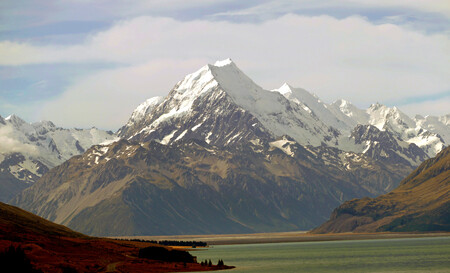
Sharpening Focus on Conservation . The Prime Minister emphasized that “ iconic places in New Zealand must be preserved.” Hence, the government aims to provide more support to the Department of Conservation ( DOC ) by implementing an access charge for foreign tourists at popular destinations. Four standout locations have been highlighted: Cathedral Cove , Tongariro Crossing , Milford Sound , and Aoraki Mount Cook , where foreign tourists typically account for approximately 80% of visitors.
According to the government’s proposal , the suggested fee ranges from 20 to 40 New Zealand dollars per visitor, equating to approximately 10 to 20 euros . This revenue is projected to be around 62 million dollars annually (over 32 million euros ), which will be reinvested back into the regions benefitting from tourism.
Potaka stated, “It’s our collective heritage, and Kiwis shouldn’t have to pay,” asserting that locals would continue to access these stunning areas at no cost.
Is there more information available? Yes, *The Guardian* has reported that these rates could be implemented as early as next year. The government is also exploring ways to differentiate between foreign visitors and locals to ensure the policy is enforced efficiently.
Potaka noted, “For instance, at the Auckland Domain Museum , visitors must prove they are from Auckland to receive a discounted rate,” mentioning that methods such as presenting a passport or identity certificate could help in verifying visitor status.
Tourism Trends . This decision comes amid a backdrop of New Zealand entering a technical recession , compelling the government to seek new avenues for economic stimulation through tourism. Recently, there has been an increase in promotional activities aimed at attracting travelers, and the government plans to pilot a visa exemption program for Chinese tourists traveling from Australia.
Starting in November, visa exemptions will simplify travel for Chinese passport holders , making visits to New Zealand’s captivating landscapes easier. The country ended 2024 with approximately 3.3 million foreign visitors .
Further Changes on the Horizon? Absolutely. Aside from the proposed foreign visitor fee, the government aims to amend conservation laws to facilitate a new wave of business concessions in tourism and agriculture. The aim is to boost economic development while maintaining the high standards of protected areas.
As the government works towards achieving these objectives, concerns have arisen regarding the potential commercialization of public lands. Environmental organizations such as Forest & Bird have already expressed their discontent with these plans.
In conclusion, as New Zealand navigates its path towards revitalizing tourism and conservation, the balance between economic gain and environmental protection remains delicate and complex. The iconic landscapes that draw millions of tourists each year face new regulatory challenges, and the ultimate outcome of these proposed changes could significantly shape the future of the nation’s cherished natural heritage.
Images | Christian Michel (Flickr) and Bernard Spragg. NZ (Flickr)