
“30’DAN FAZLA HASTALIK ETKENİNİ TAŞIDIĞI BİLİNİYOR”
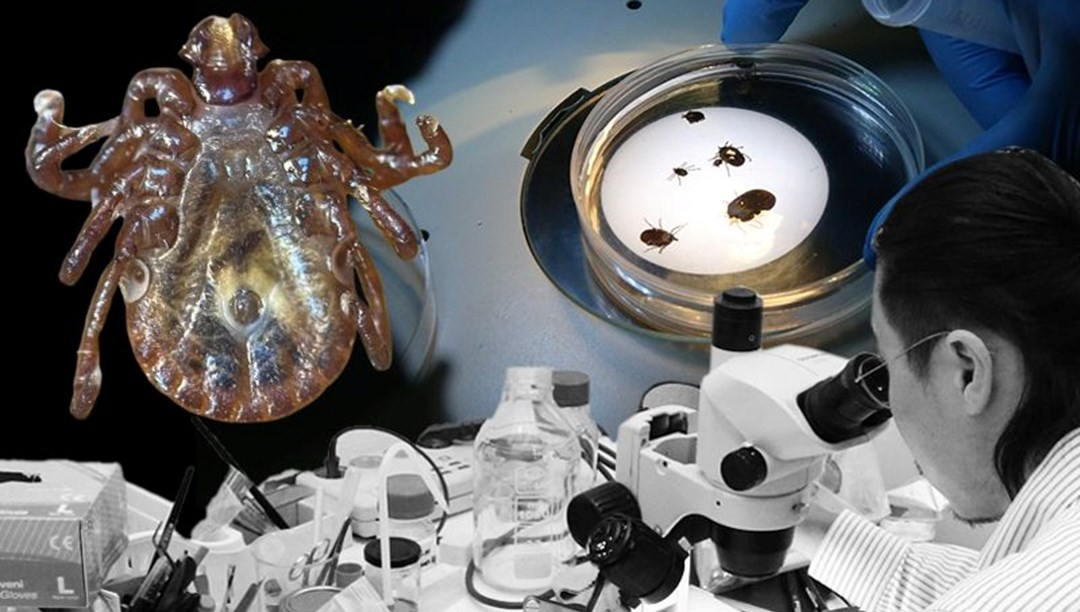
In an urgent announcement regarding tick-borne diseases, researcher Keskin provided compelling insights into the Haemaphysalis longicornis species. This type of tick is recognized for its potential to carry over 30 different pathogens , a fact that poses significant threats to both human and animal health.
According to Keskin, “This tick, similar to the Hyalomma marginatum , is known to possess a high vector potential , and it can harbor more than 30 disease agents. At present, we are closely monitoring its population.” The research is funded and supported by the university and its rectorate, showcasing academia’s commitment to addressing this urgent public health issue.
In the pioneering project, researchers are not only tracking the populations of ticks but are also investigating the presence and prevalence of potential pathogens they may carry. “We are working tirelessly on this and collaborating with Dr. Kandai Doi on our findings,” added Keskin. This comprehensive study highlights the collaboration among various experts striving to understand the landscape of tick-borne diseases in the region.
Currently, the number of tick species identified within the country has reached 56. However, it is important to note that some species are subject to reclassification due to ongoing molecular studies . “We are eagerly awaiting the results of these analyses, which will provide greater clarity on the taxonomy and potential risks associated with different tick species,” said Keskin.
The implications of tick-borne diseases cannot be overstated. Ticks are vectors for a range of infectious agents, which can lead to diseases such as Lyme disease, Rocky Mountain spotted fever, and various forms of viral encephalitis. With an increase in tick populations and expanding geographical ranges due to factors such as climate change, the risk to public health is escalating.
Preventative measures and public awareness campaigns are critical in combating tick-borne diseases. Individuals in high-risk areas are encouraged to take precautions, such as wearing protective clothing, using tick-repellent products, and performing regular tick checks after outdoor activities. Education is key to reducing infection rates and promoting public health.
Moreover, the ongoing research on Haemaphysalis longicornis aims to provide insights that could potentially guide interventions and disease management strategies . Understanding how these ticks interact with their environments and the pathogens they carry can help health officials design more effective surveillance programs and health advisories.
As the research progresses, the team hopes to disseminate their findings widely so that healthcare professionals and the general public can stay informed about the risks associated with tick-borne diseases. This kind of proactive approach is essential in mitigating not only health impacts but also the economic burden that tick-borne diseases can impose on society.
In tandem with this research, authorities are advised to consider policy implications as well. Regulation on land use, wildlife management, and habitat restoration could play significant roles in controlling tick populations. By working collaboratively with ecologists and local communities, a holistic strategy can be developed to reduce the risks associated with ticks.
As we delve deeper into understanding tick behaviors and their epidemiology, the hope is to uncover new methods of controlling these vectors effectively. This is crucial in safeguarding public health and ensuring that emerging tick-borne diseases do not become endemic.
The collaboration between institutions, such as universities and health organizations, is vital in driving forward research efforts. Supporting studies that focus on the vectors of diseases like the Haemaphysalis longicornis will yield significant benefits not just academically but also pragmatically in real-world scenarios where these threats loom large.
It is essential that funding for such research is prioritized, especially in light of the growing recognition of zoonotic diseases worldwide. The fight against tick-borne pathogens is not solely a scientific endeavor; it also requires commitment and cooperation from the entire community, spanning local organizations to national health agencies.
Everyone plays a role in monitoring and responding to the risks associated with ticks. Through education, awareness, and collaborative research efforts, society can better defend itself against the threats posed by these resilient and dangerous vectors.