
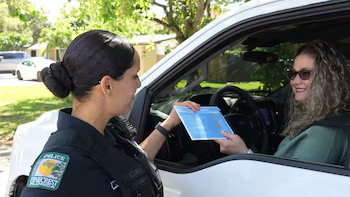
Overview of the Blue Envelope Program
Pinecrest police have pioneered a new initiative in South Florida aimed at enhancing communication between law enforcement and drivers with autism or other developmental disabilities. Utilizing a blue envelope and a special sticker, the program seeks to improve safety and prevent misunderstandings during police traffic stops.
Goals and Objectives
The primary objective of this initiative is to reduce crises and eliminate potential misunderstandings during routine encounters with the police. Scheduled to become a state policy in January, this local program is designed to foster safer interactions and better awareness among officers.
Program Structure
Participation in the program is entirely voluntary and does not require drivers to register in any database, thus maintaining their privacy. Free kits are available at the Pinecrest Police Department, featuring a blue envelope to store essential documents such as licenses, registrations, and insurance. Additionally, drivers can include a card detailing their communication preferences and sensory triggers, making the interaction easier.
Communication Adaptations
The initiative includes a distinctive 3-inch sticker that drivers can display on their vehicles. This sticker signals to officers that the driver may need specific communication adaptations. According to Captain Ivan Osores of the Pinecrest Police Department, the visible envelope helps officers recognize individuals who may require a more compassionate approach.
Training for Officers
To ensure police officers are well-prepared to handle these interactions sensitively, they undergo annual training that covers autism awareness and crisis management. This training spans four to eight hours and equips officers to modify typical traffic stop procedures—such as minimizing the use of sirens and lights or stopping in less congested areas—to mitigate anxiety for both the driver and the officer.
Future Prospects
The local program aligns with a broader initiative aimed at promoting inclusion and well-being in the community. As Florida plans to expand this program state-wide come January, Pinecrest is already collaborating with organizations such as NAMI Miami-Dade County and the Nicklaus Children’s Hospital to make the kits accessible to families with neurodiversity.
A Comprehensive Approach
This movement emphasizes a transition from punitive responses to mental health-oriented approaches in crisis situations. Officer Osores articulated the belief that individuals facing mental health challenges should be directed to hospitals rather than jails. This method underscores the dignity and respect that should accompany all law enforcement interactions, particularly with vulnerable communities.
Conclusion
The Pinecrest initiative reflects a vital step in fostering safer, more effective communication between police officers and drivers with autism or developmental disabilities. By coupling practical tools with compassionate training, the program sets a remarkable precedent for communities across Florida, striving for an inclusive habitat where safety and understanding prevail. The combination of technology, education, and community partnership creates a replicable model for enhancing safety and trust on the roads.