

USDT Trading in Russia: Under Threat?
New Central Bank regulations regarding cryptocurrencies could potentially make it illegal to trade Tether (USDT) in Russia, according to various experts. However, it is important to note that these new rules would not prevent Russian firms from using USDT or other stablecoins as payment methods for cross-border transactions.
The Russian media outlet, RBC, reported that the Central Bank has introduced these regulations ahead of the approval for trading in its crypto sandbox, which is expected to start operating on May 26. The crypto sandbox was established to enhance the involvement of Russian enterprises in international trade using cryptocurrencies, and it operates under the supervision of the Central Bank.
Moscow is on the verge of expanding this sandbox over the coming weeks, allowing qualified investors to trade cryptocurrencies on officially approved exchange platforms. However, the newly introduced regulations specify the criteria for the cryptocurrencies that can be traded.
These regulations stipulate that any digital currency must “not be connected to securities issued by hostile issuers.” Furthermore, they emphasize the necessity for dealing with projects embedded within “friendly countries.” The term "hostile" refers to nations that have enacted sanctions against Russia, while "friendly" pertains to countries that maintain a neutral stance.
Additionally, the regulations encompass clauses that seem to ban the use of coins that could face restrictions imposed by issuers, payment agents, or any individuals controlling them. This raises the concern that operators might be ordered to burn tokens held by Russian users.
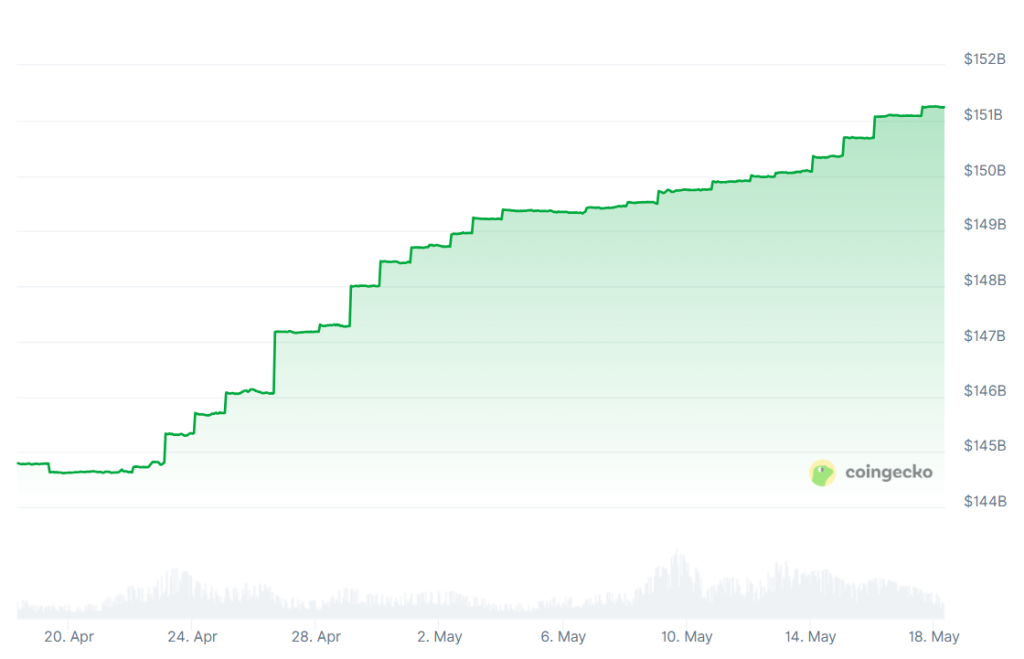
The USDT market cap over the past month. (Source: CoinGecko)
Other Stablecoins Also Under Threat?
While the Central Bank has not explicitly named specific cryptocurrencies, the implications of its regulations suggest that most popular USD-pegged stablecoins would not meet its criteria. Georgy Gukasyan, Director of the Tax and Legal Department at DRT, remarked that the Central Bank’s definitions are quite expansive and could encompass various stablecoins.
Mikhail Uspensky, a member of Russia’s expert council on crypto regulation, pointed out that USDT “fails to comply with the bank’s new criteria, indicating that it will not be permitted to circulate in Russia.” He acknowledged that the regulations have been in the works for a significant period and also assured that “the use of stablecoins in international settlements is not prohibited.”
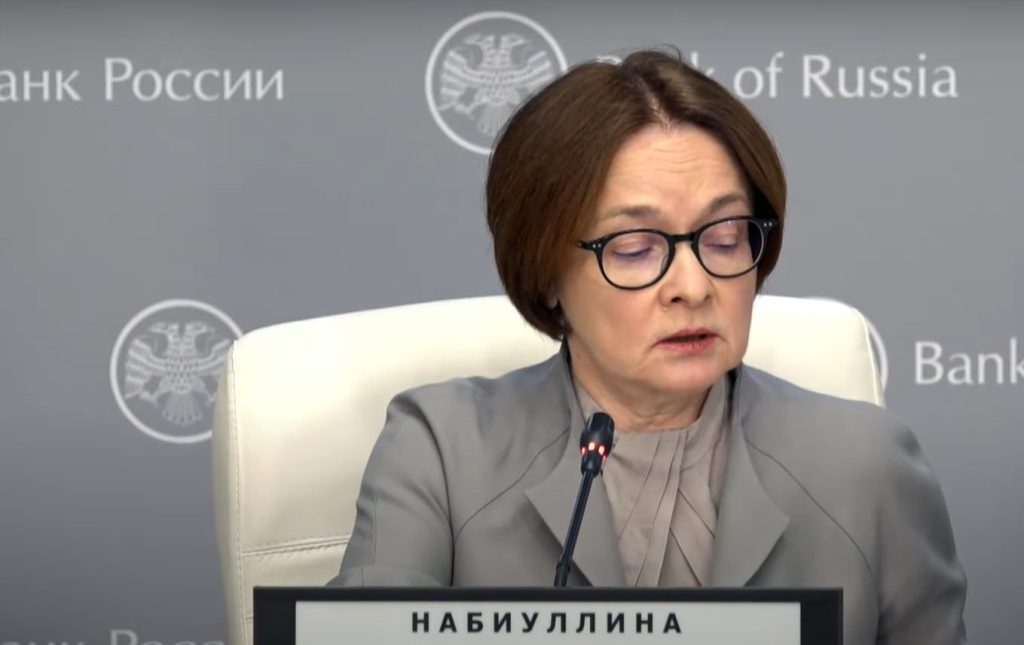
Elvira Nabiullina, Governor of the Russian Central Bank. (Source: Bank of Russia/YouTube/Screenshot)
KYC Complications
Gukasyan elaborated that Tether’s obligations to provide fiat US dollars to USDT holders only exist for a specific subset of token holders. To claim their dollars, USDT holders must comply with Know-Your-Customer (KYC) and Anti-Money Laundering (AML) protocols. However, Gukasyan raised concerns that these protocols are thoroughly aligned with the sanctions imposed on Russia.
As a result, Tether could legitimately choose to “refuse to redeem” the coins of users who fail to meet these verification standards. He emphasized that Tether possesses the authority to freeze tokens held in the wallets of any user “at its sole discretion, at any time.”
For instance, American authorities recently seized control of Garantex’s domains and froze around $26 million in funds associated with the crypto exchange. Tether cooperated during this crackdown by freezing millions of USDT tokens held in Garantex wallets.
The Future of Stablecoins in Russia
As the regulatory landscape continues to evolve, Russian businesses may need to reassess their strategies regarding the use of stablecoins like USDT. While the new rules contribute to a framework aiming to facilitate international trade using cryptocurrencies, the stringent requirements may render it increasingly difficult for firms to leverage these digital assets effectively.
Furthermore, the implications of these regulations could extend beyond USDT, potentially influencing the trading dynamics of other stablecoins entering the Russian market. As the Central Bank diligently reshapes the operational environment for cryptocurrencies, businesses and investors alike must stay informed and adapt to these changes to ensure compliance and continued engagement in cross-border transactions.
In conclusion, the restrictions heralded by the Central Bank serve as both a challenge and an opportunity for innovation in the Russian crypto landscape. Businesses that can navigate these regulations effectively may find new pathways to harness the benefits of blockchain technology and digital currencies, setting a precedent for the future of financial transactions in the country.