
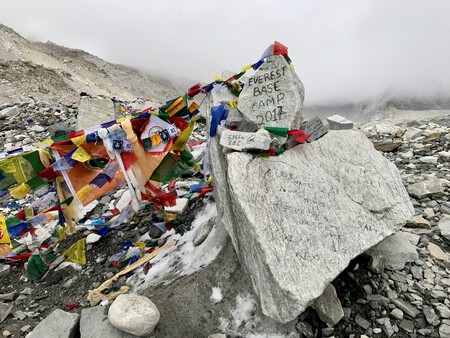
## The Everest Dilemma: A Mountain of Trash
If we talk about remote, isolated, and inaccessible regions, few places reach the level of Everest. The highest mountain on the planet isn’t just a physical challenge; it’s a showcase of human ambition, fraught with both peril and beauty. However, this once-majestic peak has transformed into a monstrous tourist destination burdened with tons of garbage.
### The Failed Waste Management Scheme
The problem of waste accumulation on Everest has been persistent. More than a decade ago, the Nepalese government implemented a $4,000 deposit scheme aimed at incentivizing climbers to take their refuse back down the mountain. Under this scheme, each climber was obliged to return with eight kilograms of trash to reclaim their deposit. But this well-intended policy has turned into a fiasco. Climbers often return with garbage collected from lower camps but neglect the more challenging trash at higher altitudes, leaving waste still strewn across Everest.
### A False Sense of Achievement
As tourists maneuvered their way around this policy, the original intent of the deposit scheme became muddled. Instead of a genuine collective effort to clean the mountain, climbers began to exploit the loophole. Waste such as oxygen bottles, food cans, and tents remained abandoned at higher bases because the effort to carry these back down often outweighed the financial benefit of the deposit.
### The Burden of Bureaucracy
The management of the deposit has led to an increased bureaucratic burden on Nepalese officials. Although most climbers reclaim their deposits, the system doesn’t translate into cleaner conditions on Everest. The “administrative burden” created by the deposits only complicates the situation further without addressing the pollution issue.
### No Effective Surveillance
The lack of supervision is a critical failure point in the scheme. Once climbers cross critical checkpoints, there is little oversight on their activities. Without effective monitoring, the original plan for creating a cleaner Everest has devolved into ineffective management, allowing rampant littering in one of the world’s most pristine locations.
### The Scale of the Problem
The crisis extends beyond careless climbers. Studies indicate that a climber generates approximately 12 kilograms of waste during their ascent and subsequent stay, yet the current requirement of eight kilograms for deposit recovery remains inadequate. Moreover, the total accumulated waste is staggering—dozens of tons of debris, including packaging materials and human waste, litter the mountain.
### Future Measures: A Non-refundable Cleaning Fee
Recognizing the failure of the deposit system, Nepalese authorities are considering a shift to a non-refundable cleaning fee, projected at around $4,000. This new monetary proposal aims to finance conservation efforts on Everest. Plans include deploying qualified rangers funded by the cleaning fee to oversee better management of waste on the mountain.
### Conclusion: A Path Forward?
With ongoing discussions and proposed measures aimed at cleaning Everest, it remains to be seen whether these strategies will yield tangible results. The issues surrounding waste accumulation on Everest exemplify a larger dilemma in sustainable tourism practices. Addressing these challenges demands a collaborative effort from climbers, government officials, and environmental advocates to ensure that this iconic peak retains its majesty for future generations.