
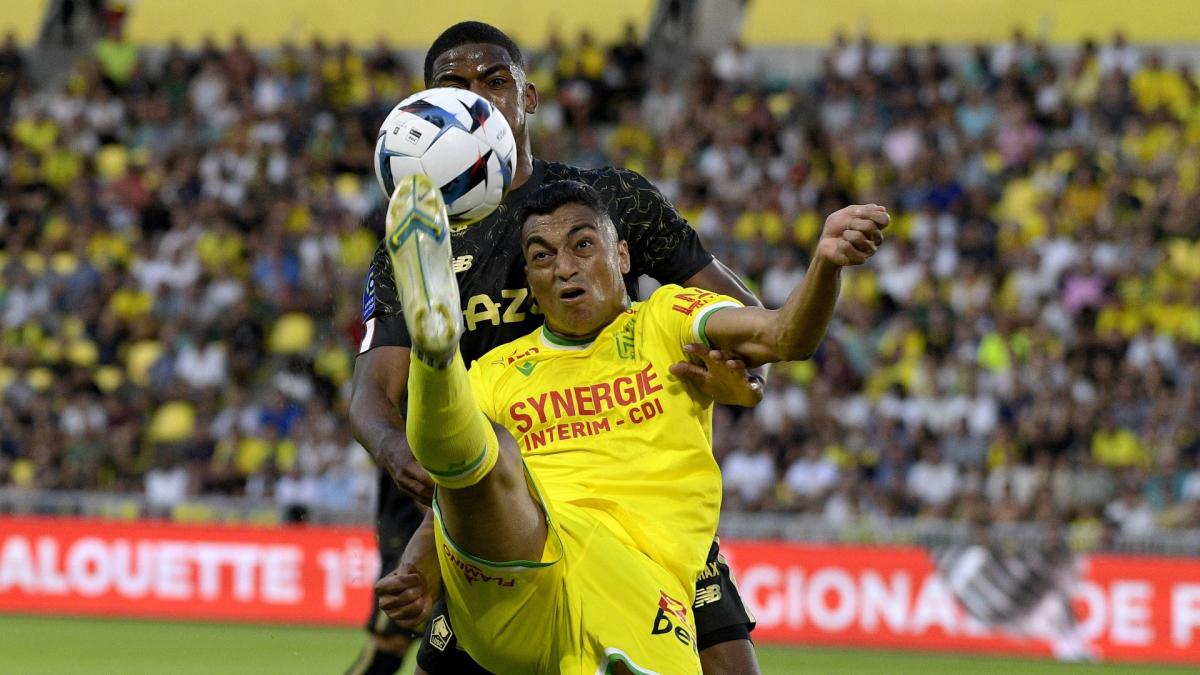
Mostafa Mohamed: A Player’s Journey Through Coaching Changes at FC Nantes
FC Nantes has witnessed a rollercoaster of emotions since Mostafa Mohamed joined the club in 2022. The Egyptian striker, now 27 years old, has experienced a series of coaching changes, each shaping his journey in different ways. In a candid interview, Mohamed spoke about his relationships with former coaches, particularly highlighting the contrast between Antoine Kombouaré and Luis Castro.
The dynamics within a football team can often be influenced by the coaching staff, and Mohamed’s reflections reveal just how significant this can be. He expressed his dissatisfaction with Kombouaré, saying, “Antoine Kombouaré is the worst trainer I had.” His candidness about this relationship raises questions about how coaching styles affect player performance and overall team morale.
Building Trust: The Luis Castro Effect
Conversely, Mohamed emphasized the importance of mutual trust between a player and coach, a relationship he believes he has found with Luis Castro. He stated, “The reason I stayed in Nantes was because Luis Castro told me that he trusted me and that we could help each other.” This sentiment underscores a crucial aspect of professional sports; players often thrive when they feel valued and supported.
The coaching style of Luis Castro has brought a new sense of optimism to the team. According to Mohamed, the arrival of Castro marked a turning point, as he felt a renewed belief in his abilities. “When Luis Castro arrived, I immediately felt that he believed in me,” he said. This sense of confidence can be transformative, not just for Mohamed but for the team as a whole.
A New Direction: FC Nantes’ Ambitions
With Castro at the helm, Mohamed is optimistic about what the future holds for FC Nantes. He boldly claimed, “You will see, this year, FC Nantes will not play the maintenance, but a European qualification.” This ambitious vision speaks volumes about the team’s aspirations under Castro’s guidance. The Egyptian striker remains hopeful that the new coach’s approach will lead to greater success on the field.
Coaching is often a balancing act, where the right mix of motivation, strategic planning, and player management can yield incredible results. The stark difference between his experiences with Kombouaré and Castro illustrates how crucial effective leadership is for a team’s success. Mohamed’s desire for a more engaging and trusting relationship could reflect broader sentiments among players, emphasizing that leadership style is an essential factor in team dynamics.
The Role of Player Confidence in Performance
Mostafa Mohamed’s experience sheds light on the psychological aspect of sports, which can be easily overlooked. A player’s performance often hinges not just on their physical attributes but also on their mental state. When players feel supported and trusted by their coaches, they are more likely to take risks and display their full capabilities on the pitch.
The importance of a positive environment in sports cannot be overstated. Players like Mohamed often face immense pressure, both from their teams and the broader football community. Trust from the coach can serve as a buffer against this pressure, enabling players to focus on their performance instead of external expectations. This support becomes vital for nurturing young talent and enhancing overall team performance.
The Importance of Open Communication
In addition to trust, open communication between players and coaches can significantly impact a team’s performance. Mohamed’s feelings of dissatisfaction with Kombouaré appear to stem from a lack of effective communication. On the other hand, under Castro, it seems that channels for dialogue have been opened, allowing players to express their concerns and ambitions freely.
Football clubs are increasingly recognizing the significance of mental health and player well-being. As coaches like Castro adopt more inclusive approaches, we may see a trend where communication aids in better performance. Mohamed’s newfound confidence illustrates this point perfectly, suggesting that when players feel heard and valued, they thrive on the field.
In conclusion, Mostafa Mohamed’s insights into his experiences at FC Nantes reveal the pivotal role of coaching in a player’s career. His contrasting relationships with Kombouaré and Castro reflect how trust and communication can shape a player’s performance and mental state. As FC Nantes aims for European qualification, the emphasis on fostering strong relationships within the team could well be the foundation for their success this season. With a focus on mutual belief and open dialogue, the future looks promising not just for Mohamed but for the entire squad.