
On October 14, support for Windows 10 officially came to an end. This significant development poses serious security risks , leaving millions of computers exposed without any further security updates. Beyond the immediate security concerns, the decision by Microsoft has raised questions about the environmental impact—specifically the enormous electronic waste it is likely to generate.
What Has Happened. Microsoft has concluded support for Windows 10 ten years after its initial launch. While that sounds like a significant duration, many users are still running this version. The lack of security updates not only jeopardizes the safety of these devices but also raises an environmental red flag . According to a report from 404media, this transition could lead to substantial device disposal.
It’s unlikely that every Windows 10 user will dispose of their computer immediately upon the cessation of support. However, the decision may encourage many individuals to consider upgrading to newer hardware. Particularly in large organizations —like educational institutions and government agencies—there are often policies that mandate the use of supported software. As a result, these organizations may need to renew their equipment en masse, further contributing to e-waste .
<img alt="This is how #WannaCry ransomware is conquering the world: FedEx, Russia, Ukraine, Taiwan, Spain and more" width="375" height="142" src="https://i.blogs.es/b6dc34/malware/375_142.jpg"/>Why Is It Important. The situation becomes more alarming when considering the statistics. When Microsoft ended support for Windows 8 , the version was only present on a modest 4% of devices. By contrast, Windows 10 is installed on 43% of devices , amounting to approximately 400 million computers. The consumer advocacy group PIRG has raised concerns about the implications of leaving such a large population of computers unprotected, estimating it could result in 800 million tons of electronic waste .
E-Waste. Electronic waste poses a significant environmental threat. The World Health Organization (WHO) warns that improper disposal of electronics can release a multitude of toxic chemicals, including lead and mercury. This has fueled debates around extending the life cycle of electronic devices, prompting new laws such as the right to repair , which is now in effect in the European Union .
Half Solutions. Microsoft has proposed a temporary solution: for a fee of 30 euros, users could opt to continue receiving security updates. Recently, they announced an additional year of security patches for Windows 10, though there are caveats. While this option may be relatively straightforward for users in Europe, it is more complicated for American consumers due to additional requirements, such as utilizing Windows Backup or accumulating 1,000 Microsoft Rewards points .
Ultimately, users who want to secure their machines might consider upgrading to Windows 11 . Nonetheless, technical requirements for this new version may leave many devices incompatible, although there are some workarounds available.
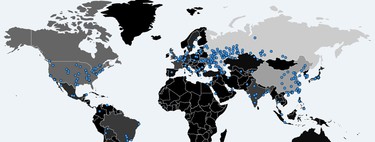
Easy Targets. The cessation of security updates is particularly concerning in light of previous ransomware incidents. The infamous WannaCry ransomware attack in 2017 serves as a potent reminder of the vulnerabilities in older versions of Windows, specifically Windows XP and Windows Server 2003. The lack of security updates now puts millions of Windows 10 users at risk for similar attacks.
Image | Wikipedia
In Xataka , a fascinating article highlights a paradox: while we prepare to farewell Windows 10, some U.S. air traffic control systems still operate on floppy disks and Windows 95 .